Korea R&D Tax Credit Calculator
How Korean R&D Tax Incentives Work
Korea offers tiered R&D tax credits based on company size and technology strategic importance. SMEs get up to 50% back for strategic technologies, while large companies receive 30-40%. General R&D credits are 2% for large firms and 25% for SMEs.
Example: A medium-sized company investing 500 million won in strategic technology could get up to 250 million won back (50% tax credit).
Enter your investment details to see potential tax benefits
South Korea doesn’t just invest in technology-it engineers it. While many countries talk about innovation, Korea has built a system where government policy, corporate research, and factory-floor excellence work together like a well-tuned machine. This isn’t about luck or natural resources. It’s about deliberate, sustained action. And it’s working.
Why Korea’s R&D Spending Isn’t Just Big-It’s Strategic
In 2026, South Korea spent 35.5 trillion Korean won on research and development. That’s over $25 billion. But numbers alone don’t tell the story. What matters is where that money went. The government didn’t spread it thin. It picked targets: next-generation power semiconductors, liquefied natural gas containment systems, graphene, and lithium metal batteries. These aren’t random choices. They’re areas where Korea already has a foothold-and where it plans to dominate. The tax system reflects this focus. For regular R&D, large companies get a 2% tax credit. SMEs get 25%. But for national strategic technologies? The rules change. SMEs can now claim up to 50% back. Large firms get 30-40%. This isn’t a subsidy. It’s a signal: Invest here, and we’ll make it worth your while. The result? Companies aren’t just doing research-they’re betting their future on it.The Hidden Engine: Business Researchers in Korean Corporations
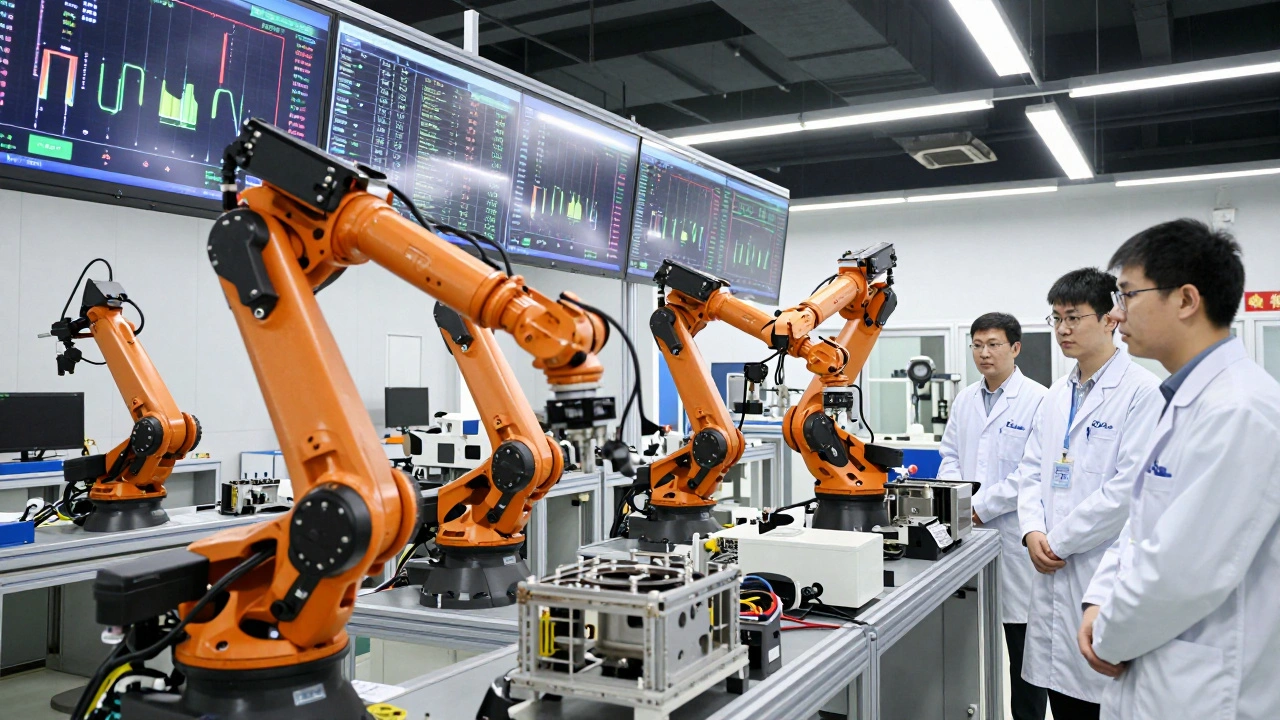
Most people think of scientists in labs when they imagine R&D. In Korea, it’s business researchers-people who understand both technology and market demand-who drive progress. These aren’t academics. They’re engineers working inside Hyundai, Samsung, and LG, asking: Can we make this cheaper? Faster? More reliable? Take the robotics cluster Hyundai is building in Saemangeum. It’s not just a factory. It’s a learning center. Every robot built there is tested, logged, and improved using AI software before it even leaves the plant. The goal? To turn manufacturing into a feedback loop. Each unit produced teaches the next one how to be better. That’s not automation. That’s evolution. These researchers don’t work in isolation. They’re tied to universities, government labs, and supply chain partners. In Daegu, for example, Keimyung University runs seven government-designed R&D centers focused on automotive parts, display tech, and biomedical devices. These aren’t just research hubs-they’re innovation pipelines. Companies don’t hire graduates; they hire systems.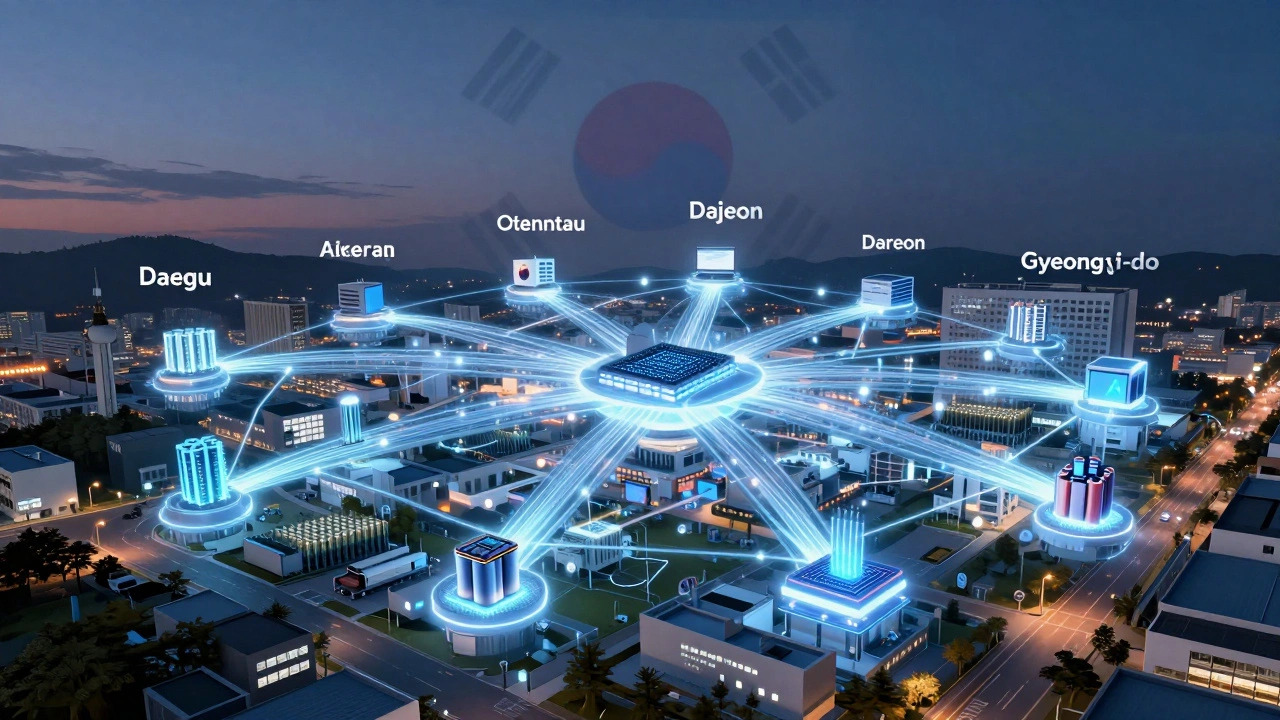
Manufacturing Excellence Isn’t About Scale-It’s About Precision
Korea doesn’t compete by making more. It competes by making better. In displays, Korea leads the world in OLED and iLED production. Why? Because they didn’t just copy the tech. They rebuilt it. Every layer of the display, every material, every alignment process was optimized for yield, speed, and durability. The same is true for batteries. While others chase higher capacity, Korea is building all-solid-state batteries that last longer, charge faster, and won’t catch fire. This precision comes from decades of refinement. Korean factories don’t just follow blueprints. They rewrite them. A single production line for smartphone panels might go through 200 improvements in a year. That’s not incremental change. That’s continuous reinvention. And it’s not limited to electronics. In Daegu, research centers for automotive mechatronics and high-speed molds are helping small suppliers produce parts with tolerances measured in microns. These suppliers then feed into Hyundai and Kia’s global supply chains. Korea’s manufacturing strength isn’t just in its giants-it’s in the invisible network of specialized suppliers that make them possible.Regional Clusters: Where Innovation Lives
You won’t find Korea’s R&D scattered evenly. It’s concentrated. Seoul, Gyeonggi-do, and Daejeon absorb the lion’s share of funding. But even within those areas, specialization rules. Gyeonggi-do leads in smart-health tech and omics research, with over $60 million invested. Daejeon, the old science capital, dominates clinical data and biomedical research. And Daegu? It’s become Korea’s hidden tech powerhouse. With clusters focused on automotive parts, medical diagnostics, and advanced displays, it’s the engine behind the country’s inland high-tech belt. The city didn’t wait for investment-it built its own ecosystem. Public research centers, university labs, and corporate partners all operate under one roof. No bureaucracy. No silos. This isn’t accidental. The government designed it. Funding flows to regions with clear strengths. No one gets a handout. You earn it by delivering results.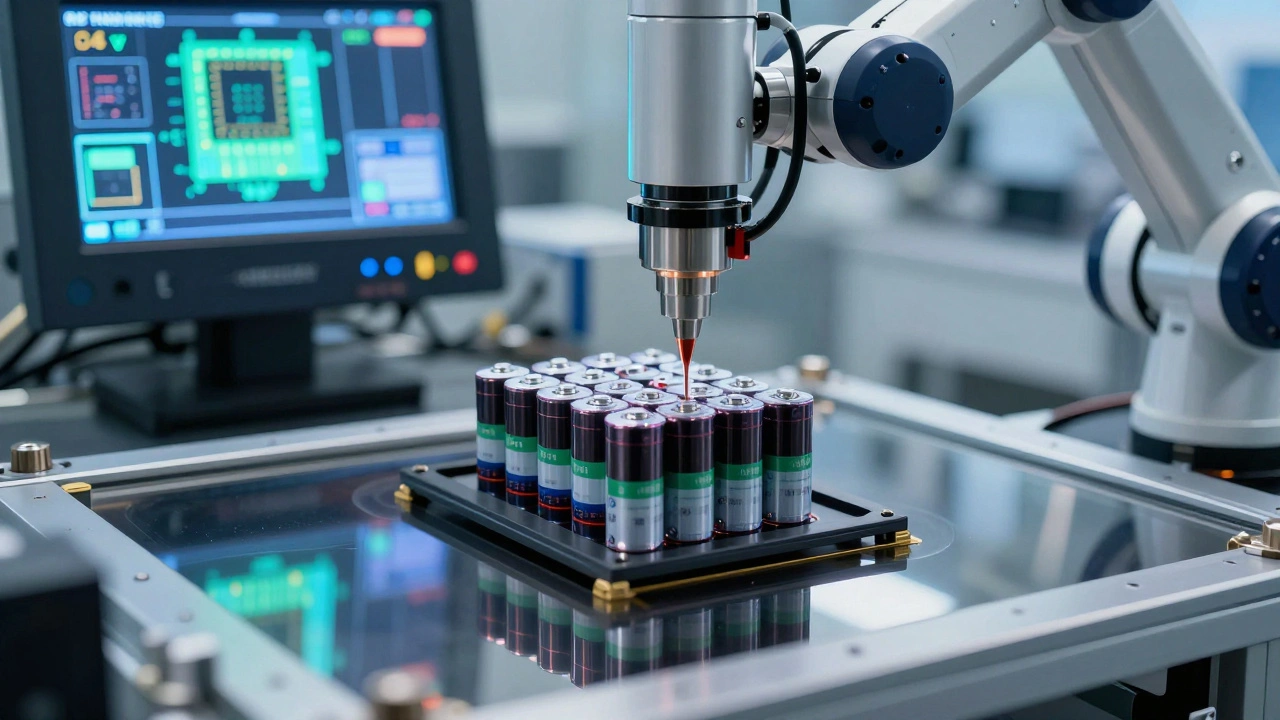
The Gap: Why Korea Still Has a Long Way to Go
Despite all this, Korea’s innovation engine has a flaw: efficiency. Korean executives rate SME productivity at 4.47 out of 10. Compare that to Switzerland at 8.6 or Denmark at 8.04. That gap isn’t about talent. It’s about structure. Too many Korean firms still operate like hierarchies, not networks. Decision-making is slow. Risk-taking is punished. Innovation is treated like a project, not a culture. Even big wins like Revelion-a deep-tech unicorn building AI chips that cut power use by 60%-are rare. Most startups still struggle to scale beyond funding rounds. Korea has the science. It’s still learning how to turn it into sustainable business.The Future: From Follower to First-Mover
In 2026, the Korean government made its stance clear: Stop following. Start leading. The shift from a follower economy to a first-mover economy isn’t just a slogan. It’s policy. Tax credits. Regional hubs. Public-private labs. All of it is designed to make Korea the first place the world turns to for the next breakthrough. The proof is in the patents. Korea ranks third globally in AI-related patent filings-behind only the U.S. and China. It’s not just catching up. It’s defining the rules. The real test won’t come in how much money is spent. It will come in how many of these innovations become global standards. Will all-solid-state batteries be Korean? Will the next generation of AI chips come from Daegu? Will Hyundai’s robotics cluster become the blueprint for smart factories worldwide? Korea’s R&D engine is running. Now, it just needs to keep accelerating.Why does South Korea spend so much on R&D compared to other countries?
South Korea invests about 5% of its GDP in research and development-among the highest in the world. This isn’t just about keeping up; it’s about leading. The government targets specific technologies where Korea already has strengths-like semiconductors, batteries, and displays-and pours resources into making them dominant. Without this level of investment, Korea risks falling behind in global supply chains. It’s a survival strategy.
How do tax incentives encourage corporate R&D in Korea?
Korea uses a tiered tax credit system. For general R&D, large firms get 2%, SMEs get 25%. But for national strategic technologies-like power semiconductors or lithium metal batteries-the rates jump. SMEs can get up to 50% back. Large firms get 30-40%. This isn’t a handout. It’s a signal: if you’re working on something critical to Korea’s future, we’ll make it financially worth your while. It turns R&D from a cost center into a strategic investment.
What role do regional clusters like Daegu and Daejeon play in Korea’s innovation system?
Daegu, Daejeon, and Gyeonggi-do aren’t just cities-they’re innovation ecosystems. Each has been intentionally developed around specific tech strengths. Daegu focuses on automotive parts and biomedical devices, with over a dozen government-backed research centers. Daejeon leads in clinical data and AI-driven health tech. These clusters bring together universities, public labs, and private companies under one roof. No one works alone. Problems get solved faster because the right people are always nearby.
Why is Hyundai’s robotics cluster in Saemangeum important?
Hyundai’s robotics hub isn’t just about building robots. It’s about creating a self-improving manufacturing system. Every robot produced there is trained and validated using AI before deployment. Data from each unit feeds back into the design process. This turns production into a learning engine. It’s the first time a carmaker has built a full-scale robotics factory that doubles as an R&D lab. If successful, this model could redefine how advanced manufacturing works worldwide.
What’s holding back Korea’s startup ecosystem from matching its R&D success?
Korea has world-class science, but its business culture still favors stability over risk. Many startups get funding but struggle to scale because of rigid corporate structures, slow decision-making, and a fear of failure. Even deep-tech unicorns like Revelion are rare. The country needs to shift from funding projects to building ecosystems where innovation can survive, adapt, and grow-not just launch.