Strategic Planning: How Modern Organizations Build Resilience, Autonomy, and AI-Driven Agility

When you think of strategic planning, the process of setting long-term goals and allocating resources to achieve them in uncertain environments. Also known as long-range planning, it's no longer about predicting the future—it's about building systems that can bend without breaking. Today’s best strategies don’t rely on annual reports. They rely on real-time signals: how quickly teams adapt, how well supply chains hold up under pressure, and whether AI tools are actually making people more effective—not just replacing them.

enterprise agility, the ability of an organization to respond rapidly to market shifts, disruptions, or emerging threats is now the core metric of success. Companies that still measure success by quarterly revenue growth are falling behind. The winners are those tracking leading indicators like time-to-decision, cross-team collaboration speed, and how often their systems recover from failures. This isn’t theory—it’s what’s happening in hospitals running simulation drills, in chipmakers building sovereign fabrication lines, and in logistics firms rerouting shipments to avoid sabotage. cyber resilience, a proactive approach to maintaining operations during and after cyberattacks through Zero Trust controls and recovery goals is part of that same shift. You don’t just defend against hacks anymore—you design your whole system to keep running even if one part fails.

And then there’s supply chain strategy, the deliberate reshaping of sourcing, production, and distribution networks to reduce dependency and increase control. The old model—lowest cost, farthest away—is dead. Now it’s about trust, speed, and political stability. Friendshoring. Nearshoring. Semiconductor sovereignty. These aren’t buzzwords—they’re survival tactics. Europe is trying to lead peace talks without U.S. military backing. Nations are building their own clouds because they can’t risk foreign control of their data. India, Vietnam, and Mexico aren’t just alternatives to China—they’re the new centers of global manufacturing.

Behind all this is a quiet revolution in how work gets done. AI workforce strategy, the plan to upskill teams, redesign roles, and integrate AI tools so humans and machines work better together is no longer optional. AI isn’t replacing jobs—it’s rewriting them. Accountants now manage AI agents that handle routine tasks. Cyber analysts use autonomous systems to hunt threats faster. Lawyers rely on virtual coworkers to draft contracts. The people who thrive aren’t the ones who know the most—they’re the ones who know how to work with what’s new.

What you’ll find below isn’t a list of abstract ideas. It’s a collection of real strategies used right now by governments, tech firms, health systems, and supply chain leaders. You’ll see how KPIs are being redesigned for 2025, how nations are securing their digital infrastructure, and how companies are turning AI from a cost center into a multiplier. No fluff. No jargon. Just what works—when the stakes are high and the clock is ticking.


Export Market Diversification Strategies for Emerging Economies in 2026
Jeffrey Bardzell 1 April 2026 0 Comments

Export Market Diversification Strategies for Emerging Economies in 2026

Learn how businesses and nations can stabilize revenue by diversifying exports into emerging markets and non-aligned blocs. Avoid commodity traps and navigate 2026 trade fragmentation.

Long-Term Fiscal Planning: Demographic Stress Tests for Public Budgets
Jeffrey Bardzell 28 March 2026 0 Comments

Long-Term Fiscal Planning: Demographic Stress Tests for Public Budgets

Explore how demographic stress tests protect public budgets from aging populations and shifting workforces. Learn the methodologies linking federal guidelines to long-term fiscal planning strategies.

Boardroom Playbook for 2025: Integrating Geopolitics, AI, and Climate Into Core Strategy
Jeffrey Bardzell 26 March 2026 0 Comments

Boardroom Playbook for 2025: Integrating Geopolitics, AI, and Climate Into Core Strategy

Learn how modern boards integrate geopolitics, AI, and climate strategy into core decision-making. This guide covers essential shifts in risk management and leadership for 2025.

ESG Strategy Beyond Compliance: Materiality, Impact, and Performance Incentives
Jeffrey Bardzell 25 March 2026 0 Comments

ESG Strategy Beyond Compliance: Materiality, Impact, and Performance Incentives

Move beyond box-ticking with a strategic ESG approach. Learn how to use materiality assessments, align performance incentives, and navigate reporting frameworks to drive real business value and resilience.

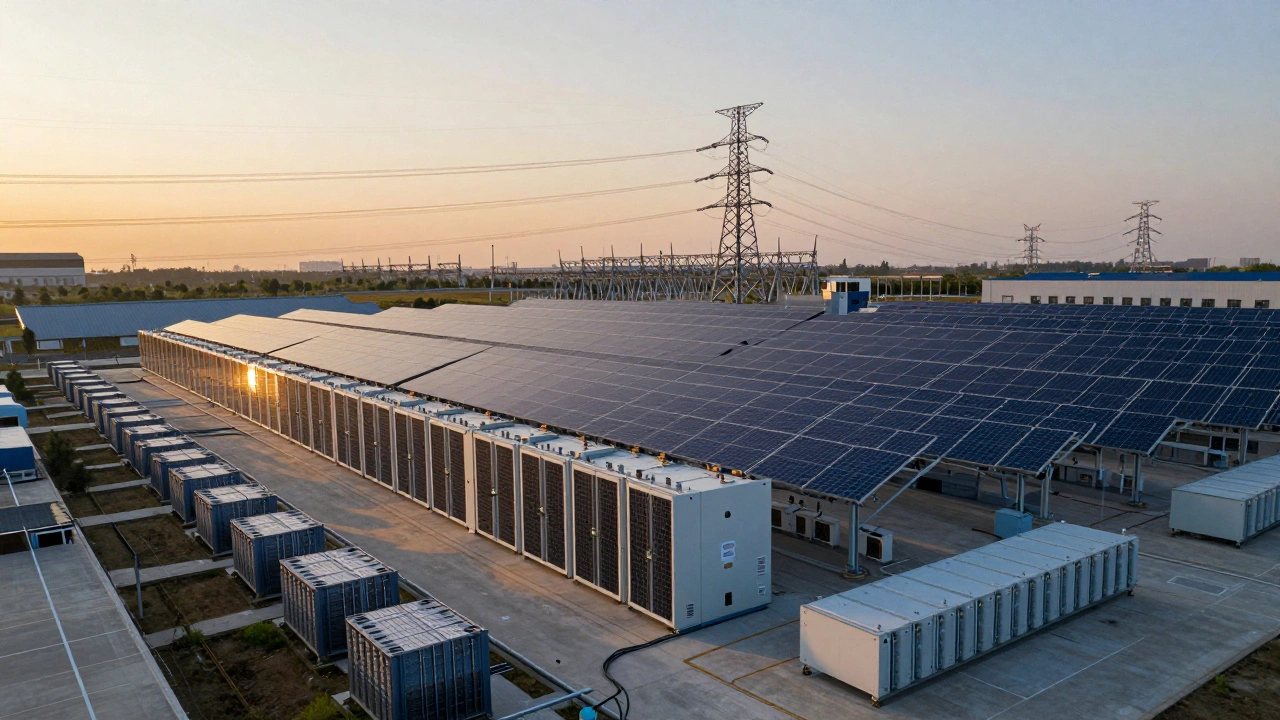
Clean Tech Commercialization: How Solar and Storage Are Bypassing Grid Delays to Go Bankable
Jeffrey Bardzell 24 March 2026 0 Comments

Clean Tech Commercialization: How Solar and Storage Are Bypassing Grid Delays to Go Bankable

Clean tech is scaling not through traditional grids, but through private solar-storage systems tied to data centers and industrial sites. Faster, bankable, and bypassing decades-old delays.

Corporate Security and Continuity: Protecting People, Assets, and Information in 2026
Jeffrey Bardzell 24 March 2026 0 Comments

Corporate Security and Continuity: Protecting People, Assets, and Information in 2026

In 2026, corporate security means more than firewalls-it's about identity control, immutable backups, Zero Trust, and weekly recovery drills. Discover how top organizations survive ransomware and cyberattacks by focusing on resilience, not just prevention.

Gaza Stabilization Proposals: Governance, Security, and Humanitarian Coordination
Jeffrey Bardzell 23 March 2026 0 Comments

Gaza Stabilization Proposals: Governance, Security, and Humanitarian Coordination

A detailed breakdown of the 20-point Gaza stabilization plan that replaces Hamas with a technocratic government, deploys an international security force, and rebuilds humanitarian systems-without elections or political compromise.

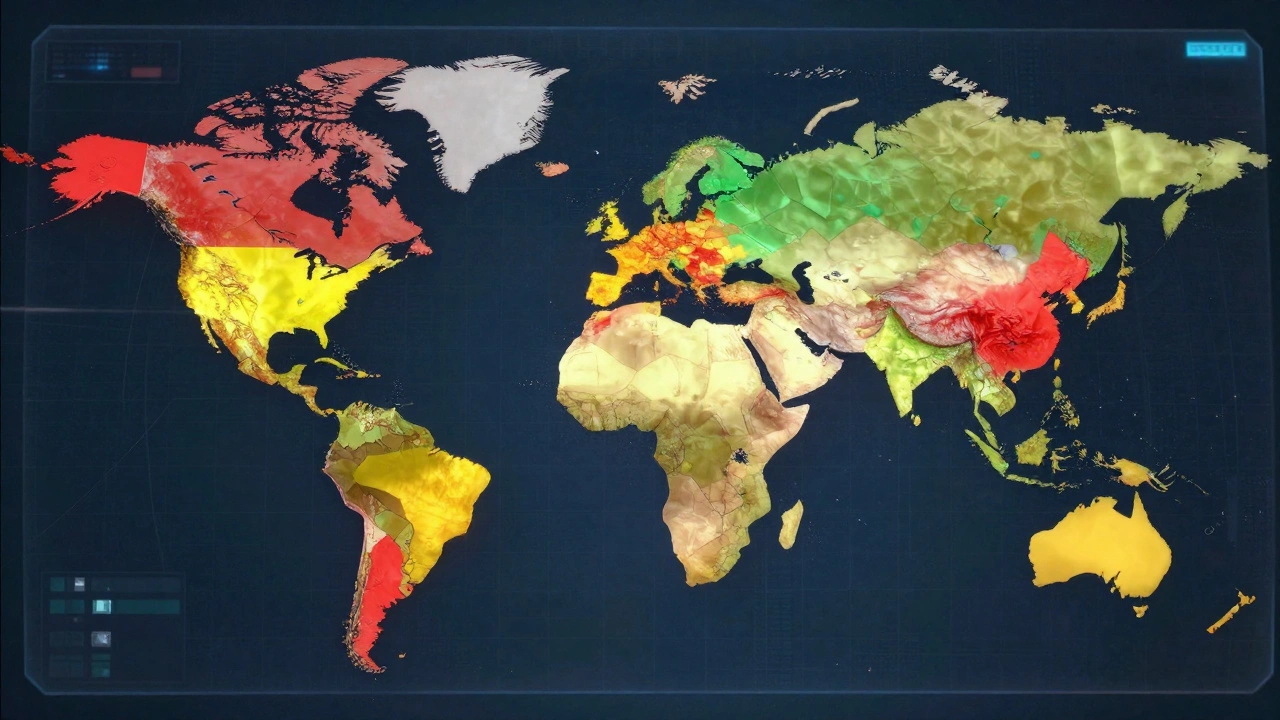
Benchmarking Fragmentation Exposure: A Scorecard for Global Companies in 2025
Jeffrey Bardzell 22 March 2026 0 Comments

Benchmarking Fragmentation Exposure: A Scorecard for Global Companies in 2025

Global companies face rising fragmentation from trade wars, regulatory splits, and supply chain shifts. A 2025 scorecard helps firms measure exposure to geopolitical risk-and survive the new economic reality.

Data Strategy for AI: Building High-Quality Datasets, Guardrails, and Privacy Compliance
Jeffrey Bardzell 21 March 2026 0 Comments

Data Strategy for AI: Building High-Quality Datasets, Guardrails, and Privacy Compliance

A strong AI data strategy starts with clean, well-governed data tied to real business goals. Without quality datasets, proper access controls, and privacy compliance, AI projects fail - not because of technology, but because of poor foundations.

Korea’s Corporate R&D Engine: How Business Researchers Drive Manufacturing Excellence
Jeffrey Bardzell 21 March 2026 0 Comments

Korea’s Corporate R&D Engine: How Business Researchers Drive Manufacturing Excellence

South Korea leads the world in R&D investment, targeting strategic technologies like AI semiconductors and advanced batteries. Corporate researchers and regional innovation hubs drive manufacturing excellence, turning science into global competitiveness.

Agentic AI Workflows: How Autonomous Agents Execute Multistep Tasks With Tools, APIs, and Human Oversight
Jeffrey Bardzell 20 March 2026 0 Comments

Agentic AI Workflows: How Autonomous Agents Execute Multistep Tasks With Tools, APIs, and Human Oversight

Agentic AI workflows let AI agents autonomously execute multi-step tasks using tools, APIs, and memory - cutting processing time by up to 63%. Learn how they work, where they shine, and why human oversight remains critical.

Taiwan Diplomacy Flashpoints: Why a Panamanian Lawmakers' Visit Triggered Chinese Backlash
Jeffrey Bardzell 20 March 2026 0 Comments

Taiwan Diplomacy Flashpoints: Why a Panamanian Lawmakers' Visit Triggered Chinese Backlash

A Panamanian lawmakers' visit to Taiwan in 2025-2026 sparked Chinese backlash, revealing how Taiwan maintains influence despite lacking formal diplomacy. Trade, tech, and democratic values are driving unofficial ties that Beijing can't stop.