Demographics and Society: How Population Shifts Are Reshaping Our World

When we talk about demographics and society, the study of population structure and how it influences social systems, culture, and economics. Also known as population dynamics, it’s not just about numbers—it’s about who’s living where, how long they’re living, and who’s paying for it. This isn’t some abstract academic topic. It’s the reason your taxes are rising, your city is struggling to find workers, and your parents’ retirement feels more uncertain than ever.

Aging population, the growing share of older adults in a society due to longer life expectancy and fewer births is hitting hard. In the Baltic States, over 1.5 million people have left since 2000. In Japan and parts of Europe, hospitals are running out of staff because there aren’t enough young people to replace retirees. This isn’t a future problem—it’s happening now. And it’s creating a dependency ratio, the number of non-working people (like children and retirees) supported by each working adult that’s climbing past breaking points. Fewer workers, more retirees, same tax base. That math doesn’t add up.

Meanwhile, intergenerational equity, the fairness of how resources like housing, taxes, and benefits are shared between young and old is under fire. Younger people are paying more for less—higher rents, stagnant wages, and crumbling public services—while older generations benefit from systems built when costs were lower and jobs were more plentiful. Cities are now competing not just for companies, but for migration flows, the movement of people across regions and borders driven by jobs, safety, and quality of life. Toronto, Berlin, and even smaller towns in Estonia are offering digital visas, remote work hubs, and housing incentives to attract talent. It’s a global race, and the winners will be the places that treat people like assets, not just statistics.

And it’s not just about money. It’s about trust. As people grow tired of polished online personas, they’re demanding real transparency—from brands, from governments, from media. That’s why journalism is turning to reader support instead of ads, and why communities are building cooling centers not just for the elderly, but for anyone who needs relief from extreme heat. These aren’t isolated trends. They’re all connected. Demographics shape society. Society shapes policy. Policy shapes survival.

What you’ll find below isn’t just a list of articles. It’s a map of the forces changing your life right now: how cities are fighting for workers, how pensions are collapsing under pressure, how heat waves are exposing broken health systems, and how the next generation is demanding a fairer deal. These stories aren’t happening somewhere else. They’re happening in your town, your family, your future. Let’s see what’s really going on.
Europe's Population Crash: Economic Survival Strategies for a Shrinking Workforce
Jeffrey Bardzell 4 April 2026 0 Comments

Europe's Population Crash: Economic Survival Strategies for a Shrinking Workforce

Explore the economic strategies Europe is using to fight population decline and a shrinking labor force, from digital transformation to targeted migration policies.

Social Capital Rebuilding: Networks, Volunteering, and Faith in Institutions
Jeffrey Bardzell 31 March 2026 0 Comments

Social Capital Rebuilding: Networks, Volunteering, and Faith in Institutions

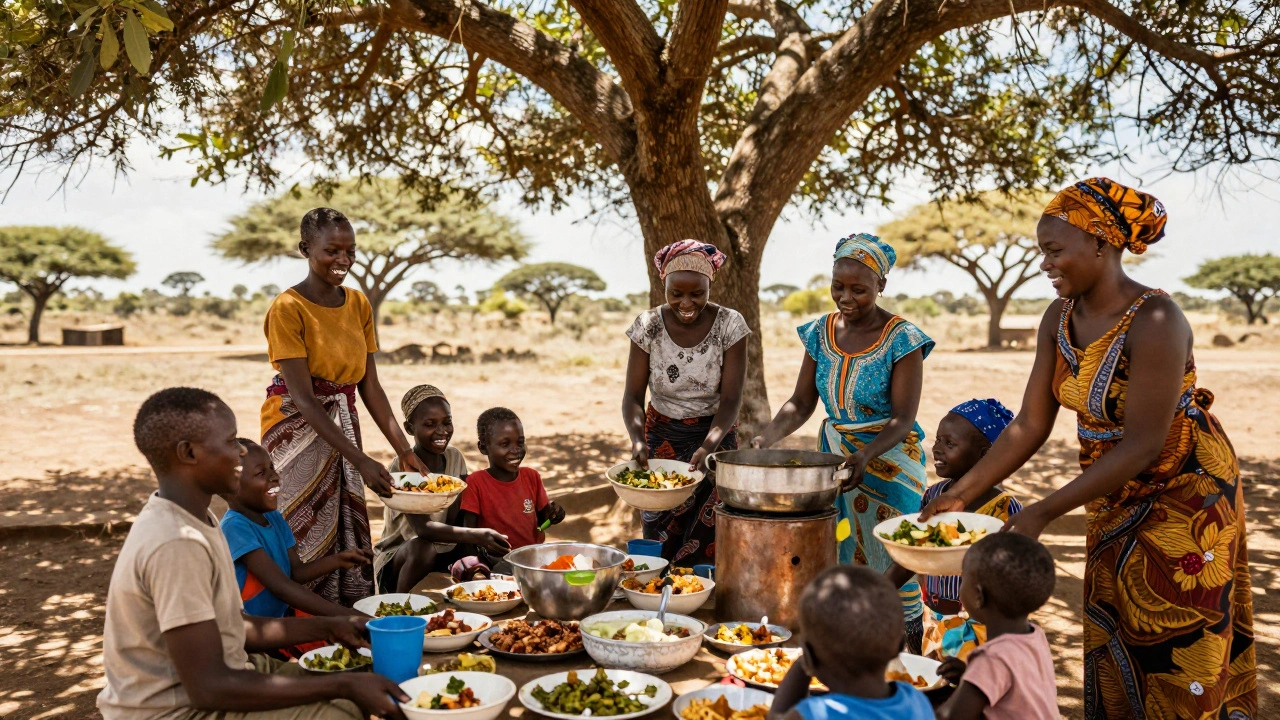
Explore how social capital rebuilding through networks, volunteering, and faith institutions drives community resilience and long-term recovery after disasters.

Brain Drain vs. Brain Circulation: How Countries Can Keep and Welcome Skilled Talent
Jeffrey Bardzell 30 March 2026 0 Comments

Brain Drain vs. Brain Circulation: How Countries Can Keep and Welcome Skilled Talent

Compare brain drain versus brain circulation models for skilled worker migration. Learn how modern policies turn talent flows into economic advantages through strategic retention and engagement approaches.

Public Trust Recession: Why Confidence in Government Is Falling Across 161 Countries in 2026
Jeffrey Bardzell 30 March 2026 0 Comments

Public Trust Recession: Why Confidence in Government Is Falling Across 161 Countries in 2026

New data from 2026 reveals a massive global collapse in government trust. From the US to Europe, citizens are losing faith in institutions, turning instead to businesses and personal networks for security.

Online Harassment and Safety: Protecting Users Without Silencing Debate
Jeffrey Bardzell 29 March 2026 0 Comments

Online Harassment and Safety: Protecting Users Without Silencing Debate

Explore how online harassment affects users in 2026. Understand the role of AI, platform risks, and strategies to protect safety without losing free speech.

Civic Participation Renewal in 2026: Innovating Town Halls, Deliberation, and Digital Engagement
Jeffrey Bardzell 27 March 2026 0 Comments

Civic Participation Renewal in 2026: Innovating Town Halls, Deliberation, and Digital Engagement

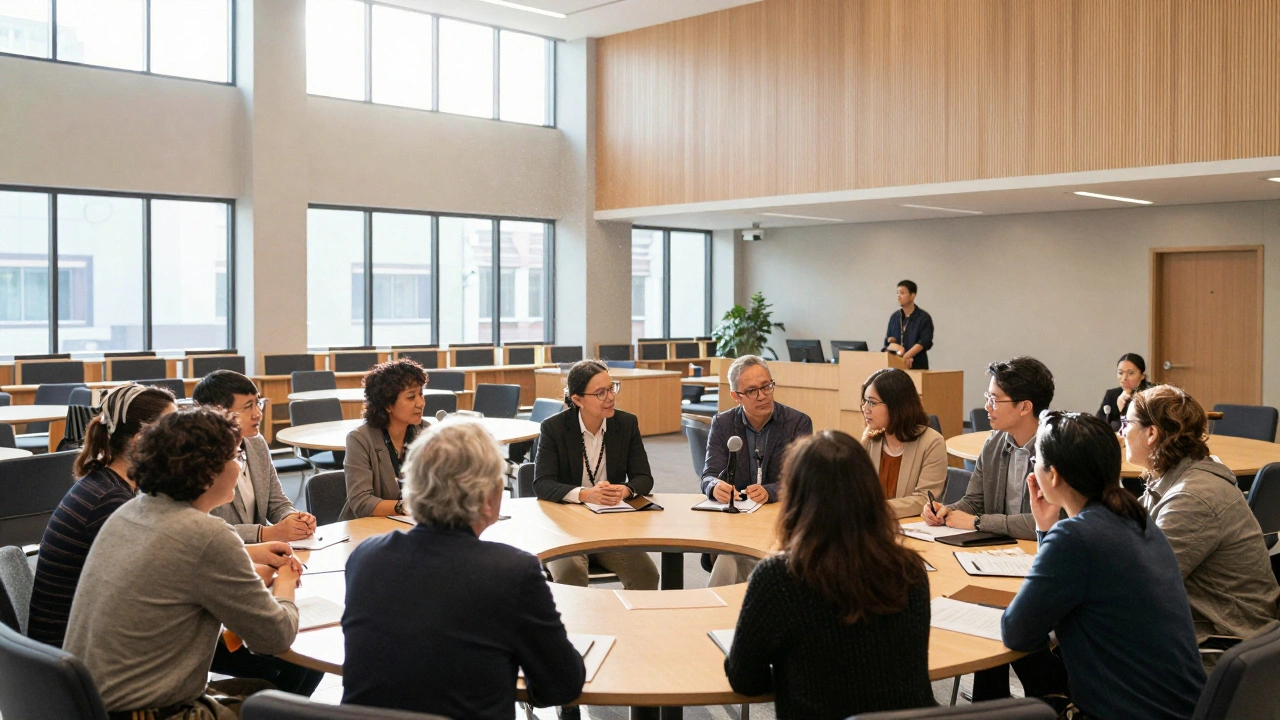
Explore how 2026 innovations in town halls, deliberative processes, and digital platforms are renewing civic participation and rebuilding public trust.

Urbanization and Demographics: Planning Cities for Seniors and Young Families Alike
Jeffrey Bardzell 26 March 2026 0 Comments

Urbanization and Demographics: Planning Cities for Seniors and Young Families Alike

Explore how modern urban planning bridges the gap between aging populations and young families through shared sites, inclusive design, and sustainable community models.

Nigeria’s Security Crisis: How Church Attacks and Kidnappings Threaten West African Stability
Jeffrey Bardzell 23 March 2026 0 Comments

Nigeria’s Security Crisis: How Church Attacks and Kidnappings Threaten West African Stability

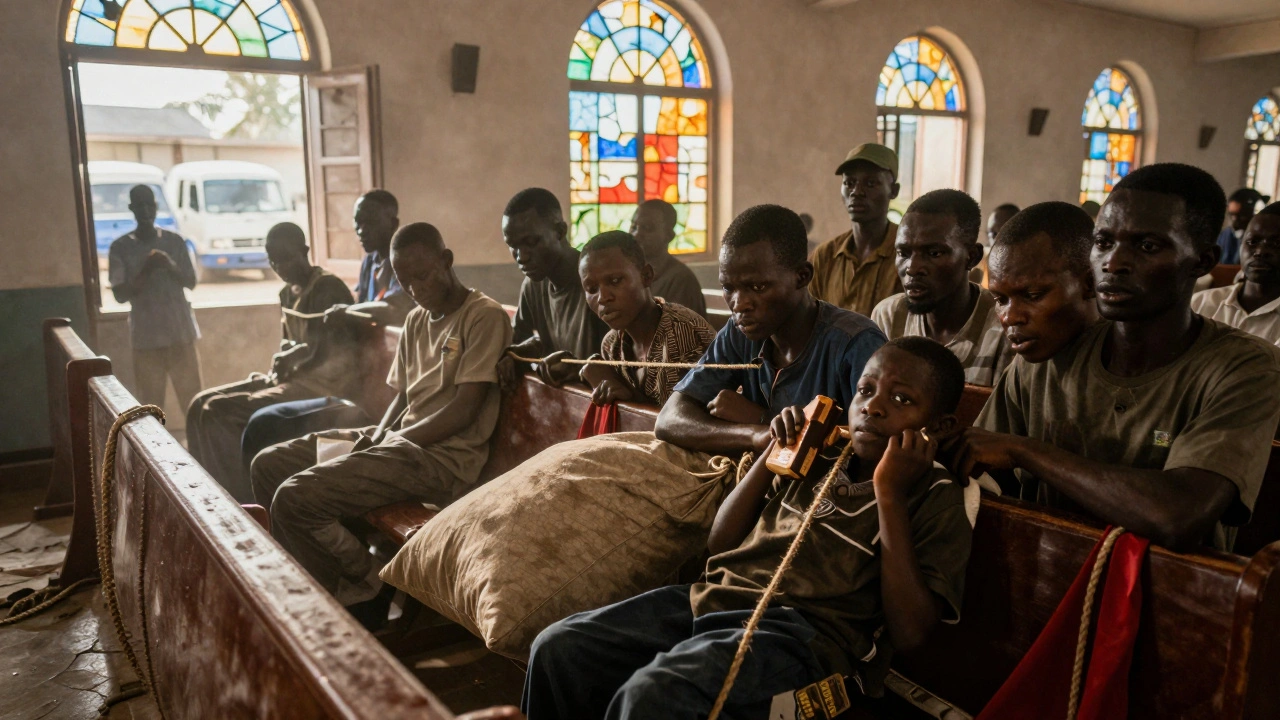
Nigeria’s escalating church attacks and mass kidnappings are not isolated crimes-they’re symptoms of a collapsing state. As militant groups and criminal networks target worshippers and civilians alike, the region’s stability hangs in the balance.

Identity and Belonging: How Diverse Democracies Build Social Cohesion
Jeffrey Bardzell 22 March 2026 0 Comments

Identity and Belonging: How Diverse Democracies Build Social Cohesion

Social cohesion in diverse democracies doesn't come from slogans or forced unity. It's built through fair institutions, equal access to resources, and everyday interactions across group lines. Real belonging starts when people feel safe, respected, and treated equally.

Misinformation Countermeasures: How Content Moderation, Media Literacy, and Civic Education Fight False Information
Jeffrey Bardzell 19 March 2026 0 Comments

Misinformation Countermeasures: How Content Moderation, Media Literacy, and Civic Education Fight False Information

False information spreads fast, but we can fight back. Content moderation, media literacy, and civic education together offer real tools to reduce misinformation and rebuild trust in what we see online.

Youth Employment Pipelines: Apprenticeships, Entrepreneurship, and Digital Skills
Jeffrey Bardzell 15 March 2026 0 Comments

Youth Employment Pipelines: Apprenticeships, Entrepreneurship, and Digital Skills

Youth unemployment remains high because education and jobs don’t connect. Apprenticeships, entrepreneurship, and digital skills training offer real pathways out-when they’re designed with employers, not just schools.

Cultural Diplomacy: How Nations Use Soft Power to Navigate Global Tensions
Jeffrey Bardzell 14 March 2026 0 Comments

Cultural Diplomacy: How Nations Use Soft Power to Navigate Global Tensions

Cultural diplomacy uses art, education, and shared experiences to build trust between nations - especially when tensions rise. From K-pop to Nollywood, nations are winning influence not through force, but through connection.