Primary Care Impact Calculator
See how investments in primary care can reduce health care costs and improve outcomes. Based on data showing that every dollar invested in primary care saves $7.30 in long-term costs, this calculator demonstrates potential impact.
Based on data from the World Health Organization: Every dollar invested in primary care saves $7.30 in long-term health care costs. Primary care reduces hospital admissions by up to 33% and emergency room visits for preventable conditions by 25%.
Strong primary care systems also improve health outcomes, prevent complications from chronic diseases, and address social determinants of health like food insecurity and transportation barriers.
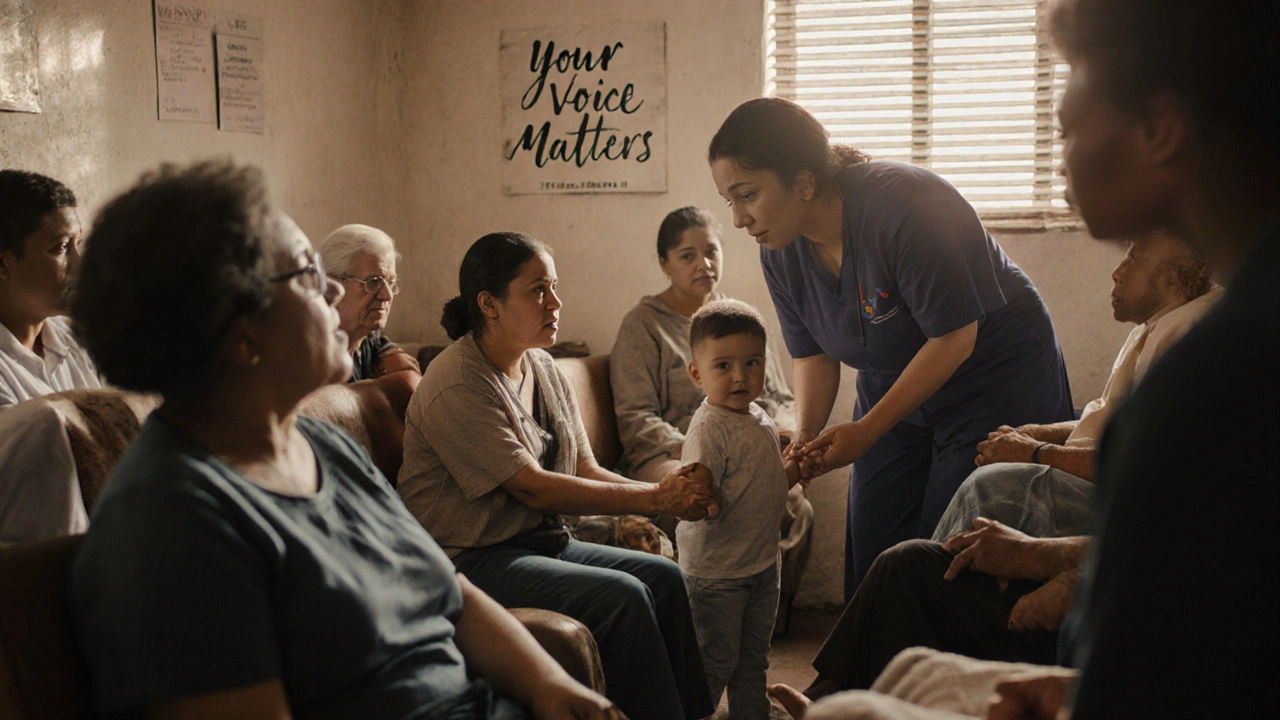
When the next pandemic hits-or the next wave of drug overdoses, maternal deaths, or mental health emergencies-where will people go first? Not the ER. Not the specialist. They’ll go to their primary care provider. And if that provider is stretched thin, underfunded, or disconnected from the community, the whole system breaks down. That’s not speculation. It’s what happened during COVID-19, Ebola, and the opioid crisis. The difference between life and death often comes down to whether someone had a trusted doctor who knew their history, their family, and their neighborhood.
What Primary Care Actually Does
Primary care isn’t just about treating a cold or refilling a blood pressure prescription. It’s the backbone of a healthy population. According to the World Health Organization, it’s the most efficient, effective, and equitable way to deliver health care. The U.S. Department of Health and Human Services officially adopted this view in 2023, defining high-quality primary care as whole-person, continuous, and community-based care delivered by teams that know their patients over time.Think of it like a neighborhood fire station. You don’t wait for a building to collapse before calling for help. You have people on the ground every day-checking smoke detectors, teaching fire safety, knowing who’s at risk. Primary care does the same for health. It’s where vaccines are given, chronic diseases are managed before they spiral, mental health screenings happen, and pregnant women get the support they need to survive childbirth.
Studies show that places with strong primary care systems have 24% to 53% lower death rates across the board. In the U.S., where only 5% to 7% of health spending goes to primary care, patients end up in emergency rooms for problems that could’ve been caught early. In countries like Thailand and South Korea, where primary care is deeply embedded in communities, COVID-19 case fatality rates were 30% to 40% lower than in the U.S.
Why It’s the First Line of Defense
During health crises, hospitals get overwhelmed. Ambulances back up. ICU beds fill up. But primary care clinics? They’re still open. They’re still talking to patients. They’re still tracking who’s sick, who’s at risk, and who needs help.During the Ebola outbreak in West Africa, communities with strong primary care networks had 50% faster contact tracing. Why? Because the nurse who saw you last month for your child’s ear infection also knew your cousin had just returned from a high-risk area. That connection saved lives. In the U.S., during the opioid crisis, clinics that integrated behavioral health services into routine visits saw 30% fewer overdose deaths in their patient populations.
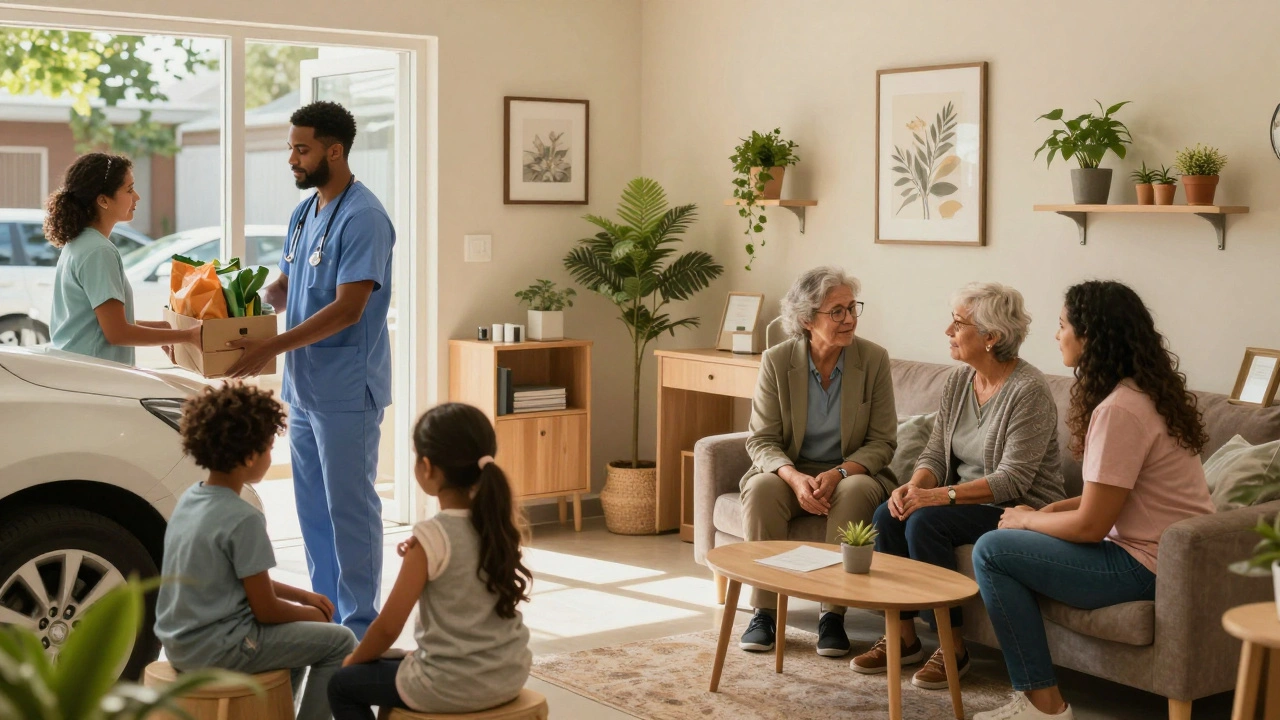
It’s not magic. It’s continuity. When your doctor knows you’ve been struggling with depression, they can catch the warning signs before you spiral. When your care team knows you don’t have reliable transportation, they can arrange a home visit instead of sending you to a clinic across town. When your clinic is linked to food banks and housing services, you’re less likely to end up in the hospital because your diabetes got out of control from eating canned food every night.
What Makes Primary Care Work
Strong primary care isn’t just about having more doctors. It’s about how care is organized. The Astana Declaration on Primary Health Care, updated in 2018, lays out four pillars:- First contact access - Can you get in quickly, even without an appointment?
- Continuity of care - Do you see the same provider or team over years?
- Comprehensiveness - Do they handle everything from flu shots to mental health to chronic disease?
- Coordination - Do they talk to specialists, hospitals, and social services on your behalf?
The National Academies of Sciences, Engineering, and Medicine confirmed this in 2021: the best primary care isn’t just medical. It’s relational. It’s integrated. It’s accountable to the community it serves.
That’s why the Centers for Medicare & Medicaid Services launched the Primary Care First model in 2020. It pays clinics not for how many visits they do, but for how well they keep patients healthy. Practices that reduce hospitalizations and emergency visits earn bonuses. High-performing clinics saw revenue increases of 10% to 15%-not because they did more, but because they did better.
The Workforce Crisis
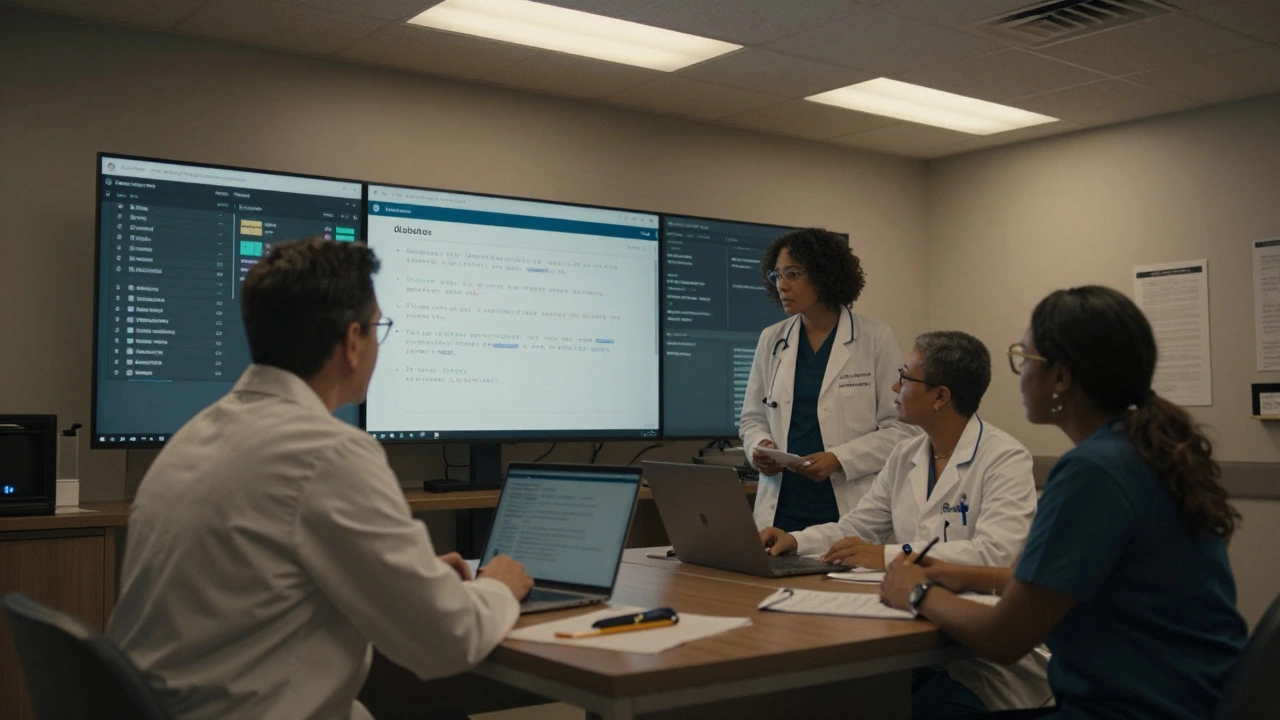
Here’s the problem: we don’t have enough people to do this work. The Association of American Medical Colleges predicts the U.S. will be short 21,700 to 48,000 primary care physicians by 2034. That’s not just a numbers game. It’s a crisis of burnout, low pay, and administrative overload.The fix? Team-based care. Nurse practitioners and physician assistants are already handling 30% to 40% of routine visits under physician supervision. In states that let them practice independently, patient outcomes improved. In rural New Mexico, clinics that added a nurse practitioner to their team cut no-show rates by 25% and increased preventive screenings by 40%.
But it’s not just about adding staff. It’s about letting them work at the top of their license. A nurse practitioner can manage hypertension, diabetes, and depression just as well as a doctor in most cases. The bottleneck isn’t skill-it’s rules that say only MDs can sign off on certain forms.
The Hidden Cost of Ignoring Primary Care
The U.S. spends more on health care than any other country-nearly $13,000 per person annually. Yet we rank 40th in life expectancy among high-income nations. Why? Because we pay for sickness, not health.Every dollar spent on primary care saves $7.30 in long-term costs, according to the World Bank. That’s because strong primary care reduces:
- Hospital admissions by up to 33%
- Emergency room visits for preventable conditions by 25%
- Chronic disease complications like amputations and kidney failure
- Lost workdays from untreated conditions
And it’s not just money. It’s dignity. It’s a mother who doesn’t have to choose between feeding her kids and buying her insulin. It’s a veteran who gets mental health care without stigma. It’s an elderly person who doesn’t have to drive two hours just to refill a prescription.
What’s Changing Now
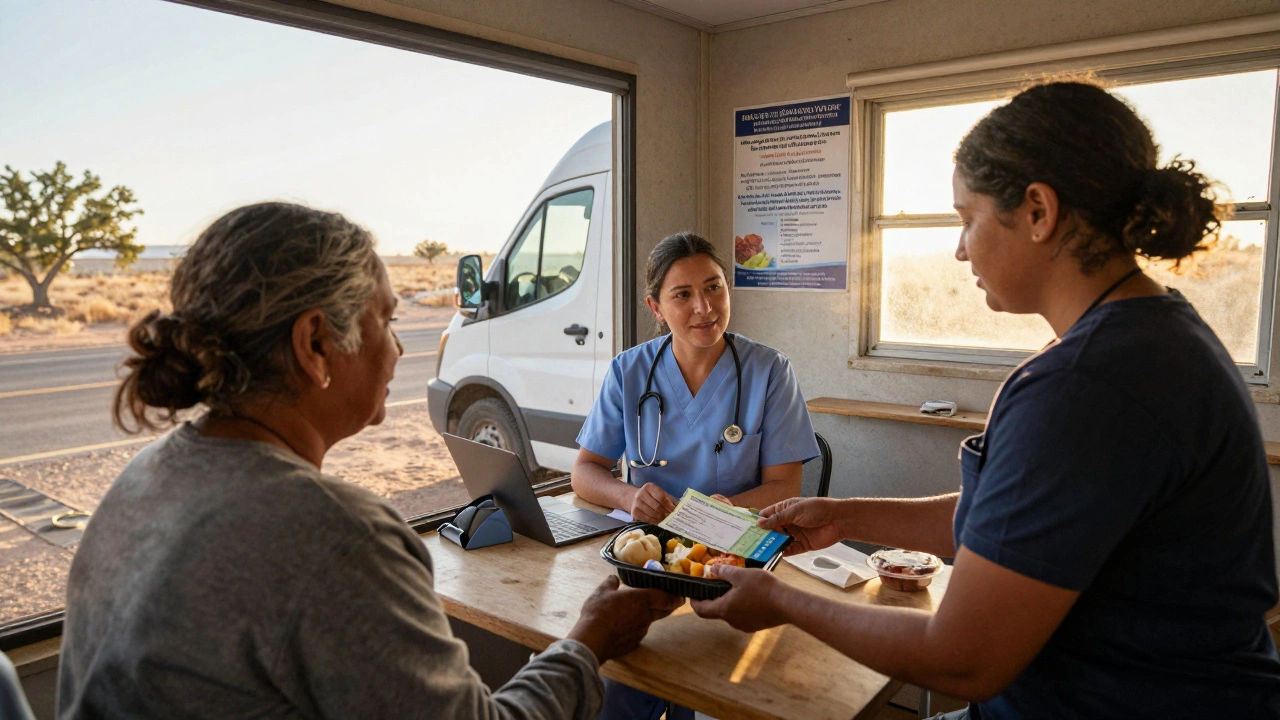
In November 2023, HHS launched its Initiative to Strengthen Primary Health Care. It’s not just another report. It’s a shift in strategy. For the first time, federal funding is tied to:- Supporting the mental and emotional well-being of primary care teams
- Connecting clinics to food, housing, and transportation services
- Expanding telehealth access in rural and underserved areas
- Using data to track outcomes, not just volume
Forty-two percent of HHS-funded transformation projects now include partnerships with local nonprofits that provide meals, rides, or safe housing. That’s not charity. That’s health care. Because if you’re hungry, your blood pressure won’t respond to medication. If you’re homeless, your asthma will flare up every time the weather turns cold.
The World Health Organization is pushing for countries to invest at least 10% of their health budgets in primary care. Right now, the U.S. spends 4% to 7%. Countries like the U.K., Canada, and Germany spend 10% to 15%. Their populations are healthier. Their costs are lower. Their systems are more resilient.
What Needs to Happen Next
We don’t need a miracle. We need to stop treating primary care like an afterthought. Here’s what works:- Pay for outcomes, not visits. Reward clinics for keeping people out of the hospital, not for seeing more patients.
- Let teams lead. Empower nurse practitioners, community health workers, and pharmacists to take on more responsibility.
- Connect care to community. Fund partnerships with food banks, housing agencies, and transportation services.
- Use technology wisely. Telehealth works-but only if it’s accessible. No app that requires a smartphone and high-speed internet for someone in rural New Mexico.
- Measure what matters. Track equity, access, and patient satisfaction-not just how many flu shots were given.
The next health crisis won’t wait for us to fix our system. It’s already coming. Climate change will bring more heat-related illnesses. Drug overdoses will keep rising. Mental health emergencies among teens are exploding. We can either keep reacting-or we can build a system that stops these problems before they start.
Primary care isn’t glamorous. It doesn’t make headlines. But it’s the reason most of us are still alive today. Strengthening it isn’t a cost. It’s the smartest investment we can make in our collective future.
Why is primary care called the first line of defense in health security?
Primary care is the first point of contact for most health issues. When a new disease emerges-like a new virus or a spike in drug overdoses-people go to their regular doctor or clinic first. If those providers are well-supported, they can spot outbreaks early, isolate cases, give vaccines, and guide patients safely. This stops problems from spreading and keeps hospitals from being overwhelmed. In the Ebola and COVID-19 outbreaks, areas with strong primary care had faster response times and lower death rates.
How does primary care reduce health care costs?
Strong primary care prevents small problems from turning into big, expensive ones. For example, managing high blood pressure at a clinic prevents strokes and kidney failure, which require hospitalization and long-term care. Studies show that every $1 invested in primary care saves $7.30 in future health spending. It also cuts down on unnecessary ER visits-up to 33% fewer hospitalizations occur in areas with good primary care access.
What’s the difference between primary care and emergency care?
Emergency care treats urgent, life-threatening problems-like heart attacks or severe injuries. Primary care handles ongoing health needs: managing diabetes, giving vaccines, checking blood pressure, treating depression, and preventing illness. Emergency rooms are expensive and don’t know your history. Primary care builds relationships over time and focuses on keeping you healthy, not just fixing you when you break.
Can nurse practitioners replace doctors in primary care?
In many cases, yes. Nurse practitioners and physician assistants are trained to handle 80% to 90% of routine primary care tasks-like diagnosing infections, managing chronic conditions, and prescribing medications. In states that let them practice independently, patient outcomes are just as good as those under doctors. The real issue isn’t skill-it’s outdated rules that limit their scope. Expanding their role helps fill workforce gaps and improves access, especially in rural areas.
Why doesn’t the U.S. spend more on primary care?
The U.S. health system is built around specialists and hospitals, not prevention. Insurance pays more for procedures and surgeries than for time spent talking to a patient. Doctors are paid per visit, not for keeping people healthy. This creates a financial incentive to treat sickness, not prevent it. Changing this requires shifting payment models-like the CMS Primary Care First program-that reward outcomes, not volume.
How does primary care help with mental health?
Most people with depression, anxiety, or substance use disorders never see a psychiatrist. They go to their primary care doctor first. When clinics integrate mental health services-like having a counselor on-site or using screening tools during routine visits-patients are 50% more likely to get treatment. In places where primary care teams treat both physical and mental health together, overdose deaths and suicide rates drop significantly.
What role do social factors like housing and food play in primary care?
Your health isn’t just about what happens in a clinic. If you’re hungry, homeless, or can’t get to the pharmacy, your medications won’t work. That’s why the best primary care programs now partner with food banks, housing agencies, and ride services. Forty-two percent of HHS-funded projects include these links. Treating diabetes means making sure you can afford healthy food. Managing asthma means fixing mold in your home. Health care can’t fix society’s problems-but primary care can connect people to the help they need.
What Comes Next
The next step isn’t just more funding. It’s a cultural shift. We need to stop seeing primary care as a cost center and start seeing it as the core of a healthy society. That means training more nurses and community health workers, paying them fairly, and giving them the tools to do their jobs. It means letting patients choose their care team instead of being shuffled between specialists. It means measuring success by how many people stay healthy-not how many procedures are done.The tools are here. The data is clear. The models work. What’s missing is the will to prioritize people over profit. The next health crisis won’t wait. But if we strengthen primary care today, we won’t be caught off guard tomorrow.