Hiring Efficiency Calculator
Estimate potential improvements to your hiring process when implementing AI tools. Based on industry research showing AI can reduce time-to-hire by up to 87% and increase diverse hires by 30-50%.
Your Current Hiring Metrics
AI Implementation Scenario
Based on industry data: Companies using AI tools report up to 87% reduction in time-to-hire and 30-50% increase in diverse hires.
Estimated Results
Time Savings
days per hire
Cost Savings
USD per hire
Diversity Impact
percentage points
Bias Reduction
percentage points
Important note: These estimates are based on industry averages from companies successfully implementing AI tools. Actual results will vary based on your specific tools, implementation quality, and existing hiring processes. Always maintain human oversight and continuous monitoring for best results.
By 2026, AI isn’t just helping HR teams keep up with hiring volume-it’s redefining how companies find, evaluate, and select talent. The old model of scrolling through stacks of resumes, manually filtering candidates, and relying on gut feelings during interviews is fading. Instead, AI tools now handle the heavy lifting: sourcing candidates from millions of profiles, screening for real skills, and even catching bias before it slips into the process. But it’s not magic. It’s code, data, and design-and when done right, it works better than humans alone.
AI Is Sourcing Talent Where Humans Can’t Look
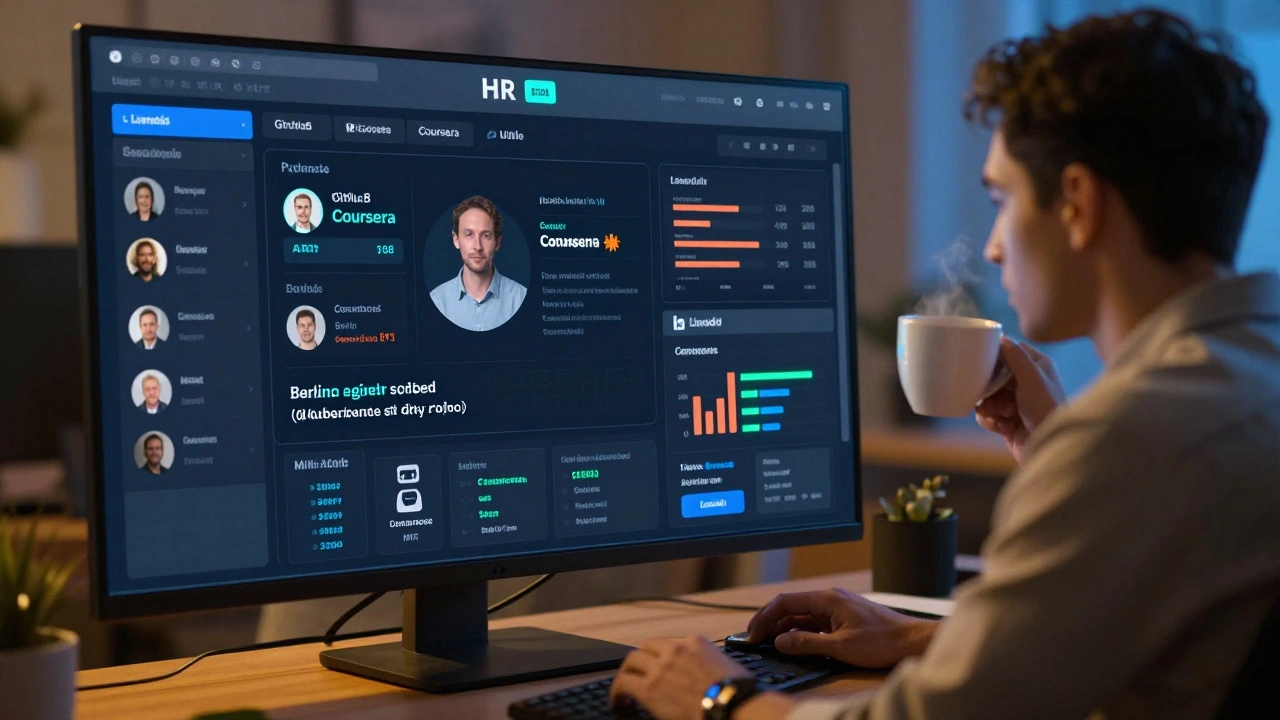
Recruiters used to rely on job boards, LinkedIn, and referrals. Now, tools like HireEZ is a platform that scans over 750 million candidate profiles across 45+ public and private web sources to find passive candidates who aren’t even applying. These systems don’t wait for resumes-they proactively reach out to engineers who posted about a new Python library, or project managers who shared a case study on GitHub. Fetcher is an AI sourcing tool that switches between inbound and outbound strategies based on market conditions. If a role is flooded with applicants, it filters aggressively. If talent is scarce, it goes hunting-sending personalized messages to people who fit the profile but never applied.
This isn’t about spamming. These tools analyze behavior, not just bios. They notice when someone’s been promoted, changed locations, or started learning a new skill on Coursera. They connect dots no human would catch. A hiring manager in Austin looking for a DevOps engineer with Kubernetes and Terraform experience might get matched with someone in Berlin who built a similar system for a side project. That’s the power of scale.
Screening Isn’t About Keywords Anymore
Remember when recruiters filtered resumes for “Java” or “Project Management”? That’s dead. Modern AI tools like Eightfold.ai is a platform that evaluates candidates based on actual skills and potential, not just keywords or school names look at what you’ve done, not what you wrote on paper. It analyzes project histories, GitHub commits, public presentations, and even open-source contributions. One candidate might list “managed teams” on their resume. Another might have led a 12-person team that shipped a product used by 50,000 users. The AI sees the difference.
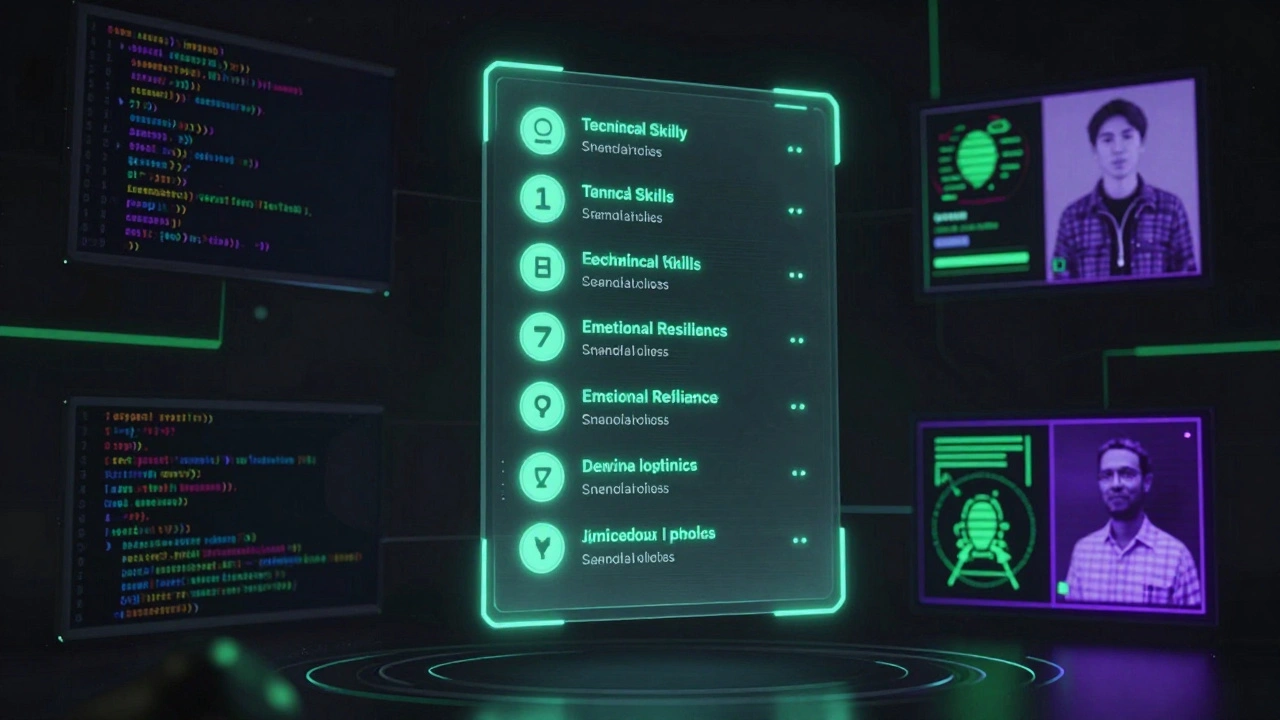
Tools like CodeSignal is a platform that combines AI-powered coding tests with live collaborative coding sessions to assess real technical ability don’t ask multiple-choice questions-they give you a real problem to solve, in real time, with a live engineer watching how you think. Pymetrics is a neuroscience-based tool that uses games to measure cognitive and emotional traits like risk tolerance and memory retention. It doesn’t care if you went to Harvard. It cares if you can stay calm under pressure, adapt to changing rules, or learn from feedback.
Even non-tech roles are changing. HireVue is a video interview platform that analyzes speech patterns, facial expressions, and tone to assess communication skills and cultural alignment. It doesn’t score you on how polished you sound-it looks for consistency between what you say and how you say it. Someone who claims they’re a team player but speaks mostly about themselves? The system flags that.
Bias Mitigation Isn’t Optional-It’s Built In
AI can be biased. But the best tools today are designed to fight bias, not reinforce it. The key? Anonymization. Platforms like Juicebox is an AI system that strips out names, schools, addresses, and gender indicators during initial screening remove all personal identifiers before a human ever sees a candidate. The same goes for Skillate is a global recruitment tool that uses multilingual parsing and algorithmic fairness checks to prevent discrimination based on nationality or education. It doesn’t matter if you went to a community college or a top university. What matters is whether you’ve delivered results.
These systems also monitor for patterns. If a tool keeps recommending men for engineering roles and women for customer service roles-even when qualifications are identical-it flags the model. Companies like X0PA AI is a platform that provides predictive scoring and neutral recommendations with 5/5 user ratings for fairness and accuracy build audit trails so HR teams can trace why a candidate was ranked high or low. No more “I just felt like they’d fit.” Now there’s data: “They scored 92% on conflict resolution, 87% on adaptability, and matched 94% of required technical skills.”
And it’s working. Companies using these tools report 30-50% increases in diverse hires within 18 months. Not because AI is perfect-but because it removes the noise humans bring.
The Best Systems Don’t Replace Humans-They Empower Them
Some fear AI will take over hiring. It won’t. It’s making humans better at it. The top-performing teams now use AI for the first 80% of the process: sourcing, screening, scoring, and scheduling. Then, a human steps in for the last 20%-the interview, the culture check, the gut feeling.
Take Humanly is a chatbot system that handles initial candidate questions, schedules interviews, and collects feedback-all with consistent, standardized questions. It answers FAQs, books Zoom calls, and even nudges candidates who go quiet. That frees up recruiters to focus on the people who matter: the ones who made it past the AI. Instead of spending 10 hours a day replying to emails, they’re having real conversations about career goals, team dynamics, and long-term fit.
And it’s not just about efficiency. KABi is an all-in-one platform that includes its own ATS and a Recommender Agent that flags risks like cultural mismatch or availability issues. It doesn’t just rank candidates-it warns you: “This person has three job offers. They’re likely to decline.” Or: “Their last role was remote, but your team is hybrid. Risk of turnover: 68%.” That’s insight no resume ever gave.

It’s Not Perfect-And That’s Okay
AI tools still have blind spots. If your training data is full of hires from the same schools, the AI will keep recommending those schools. If past hiring managers favored extroverts, the system might overvalue talkative candidates. That’s why no company should rely on AI alone. The best practice? Use AI to surface the best candidates, then let humans decide.
Also, setup isn’t easy. Integrating these tools with your existing ATS, training staff, and cleaning up old data takes time. Smaller companies struggle with pricing. Most platforms-HireVue, Eightfold.ai, X0PA AI-don’t list prices online. You have to talk to sales. That’s fine for a Fortune 500 company. It’s a wall for a startup with 10 employees.
Still, the trend is clear: AI in HR isn’t a gimmick. It’s becoming standard. Companies that use it well reduce time-to-hire by up to 87% and cut cost-per-hire by half. They hire more diverse teams. They make fewer bad hires. And they give recruiters back their time.
What You Should Do Now
- If you’re hiring more than 50 people a year, test an AI sourcing tool like Fetcher or HireEZ.
- For screening, try Eightfold.ai or Skillate if you’re hiring globally.
- For bias mitigation, demand anonymized screening and audit logs. Don’t accept “trust us” as an answer.
- Always pair AI with human review. The machine finds the best 20 candidates. The human picks the one who’ll stay for five years.
- Start small. Pilot one tool on one role. Measure the results. Then scale.
The future of hiring isn’t human or AI. It’s human and AI. And if you’re not using both, you’re leaving talent on the table-and bias in the system.
Can AI really reduce bias in hiring?
Yes-but only if it’s designed to. AI tools like Juicebox and Skillate remove personal details (name, school, gender) before screening, so decisions are based on skills, not stereotypes. They also monitor for patterns, like consistently favoring one gender or background. If the system starts showing bias, it flags itself. But if the training data is biased, the AI will be too. That’s why human oversight and clean data are essential.
Are AI hiring tools expensive for small businesses?
Most major platforms like HireVue, Eightfold.ai, and X0PA AI use custom pricing and don’t publish rates online. That makes them hard to afford for small teams. Some startups use lighter tools like Humanly or Fetcher, which offer tiered plans. But if you’re hiring under 20 people a year, manual screening with a few automation aids (like calendar bots or resume parsers) might be more cost-effective than a full AI suite.
Do AI tools replace interviews?
No. They replace the first round of filtering. AI can screen 1,000 resumes in 10 minutes and rank the top 50. But interviews still matter-for culture, motivation, and soft skills. The best systems use AI to find the strongest candidates, then let humans do the deep dive. Skipping interviews entirely leads to bad hires.
How do AI tools know if someone is a good fit?
They don’t guess. Tools like Pymetrics use neuroscience-based games to measure traits like memory, risk-taking, and emotional regulation. Eightfold.ai maps skills across thousands of job histories to predict performance. KABi checks for cultural alignment by comparing a candidate’s past team dynamics with your company’s norms. It’s all based on data, not assumptions.
Can AI screen for remote work readiness?
Yes. Platforms like KABi and Gem analyze past remote work history, communication patterns, and project delivery timelines. If a candidate has consistently delivered results while working from different time zones, the AI flags them as a strong remote fit. It’s not about where they lived-it’s about how they worked.
What’s the biggest mistake companies make with AI hiring?
They treat it like a black box. If you don’t understand how the AI makes decisions, you can’t fix it when it goes wrong. Always demand transparency: What data is used? How are scores calculated? Can you audit the results? And never turn off human review. AI is a tool, not a judge.
AI in HR is here to stay. The companies winning the talent war aren’t the ones with the biggest budgets-they’re the ones using smart tools, asking hard questions, and keeping humans in the loop.