Trust Index Calculator
How Trust in Government Works
According to the article, trust isn't built through fact-checking alone. It's built through three key components of transparency:
- Proactive disclosure: Sharing decision-making processes before questions arise (27% reduction in conspiracy belief)
- Structured citizen input: Letting people help shape policy, not just vote (34% increase in policy compliance)
- Trusted intermediaries: Community members sharing government information (41% drop in conspiracy belief)
How Trust Works in Your Community
Rate how well your government implements each component of transparency:
Your Trust Index
When a government says one thing and people believe another, something deeper is broken. It’s not just about lies or misinformation. It’s about trust-what’s left of it, how it’s lost, and whether it can be rebuilt without making things worse. In 2026, nearly one in four Americans fully accept conspiracy theories about government actions. Another third accept some of them, depending on the situation. That’s not a fringe issue. It’s a governance crisis.
Why People Believe What They Do
People don’t believe in conspiracy theories because they’re stupid. They believe them because they feel powerless. Studies show that when individuals feel they have no control over their lives-whether it’s their job, their health, or their future-they’re more likely to turn to stories that explain why things are going wrong. These stories give structure to chaos. They name a villain. They offer a reason. The most dangerous conspiracy theories aren’t about aliens or moon landings. They’re about government. When people think agencies are secretly working against them, it’s not because they’ve watched too many YouTube videos. It’s because they’ve seen real failures: slow disaster responses, broken healthcare systems, unexplained policy shifts. The gap between what officials say and what people experience is where conspiracy theories grow. And it’s not just one side. A 2023 study found that 62% of Americans believe government agencies have been captured by interests that don’t care about public safety. That number cuts across party lines. It’s not a liberal or conservative problem. It’s a systemic one.The Risk of Ignoring It
Ignoring conspiracy theories doesn’t make them go away. It makes them stronger. When officials dismiss believers as “misinformed” or “irrational,” it confirms the very narrative they’re trying to fight: that the system won’t listen. A 2025 survey of government communication efforts found that approaches labeled as “debunking” got 2.1 out of 5 stars from people who already suspected foul play. Meanwhile, approaches that said, “We hear you, here’s how we’re changing,” got 4.2 out of 5. The consequences are real. During the pandemic, people who believed government was hiding the truth were 19% less likely to wear masks or get vaccinated. After the 2020 election, believers were 3.7 times more likely to say the results were illegitimate. In 2024, the Department of Homeland Security tracked a direct link between online conspiracy content and spikes in civil unrest in 17 states. This isn’t abstract. It’s public safety.What Doesn’t Work
Top-down corrections fail. Fact-checks from government websites? Most people don’t trust them. Social media bans on conspiracy groups? They just move to encrypted apps and come back louder. When the EU tried to force platforms to remove conspiracy content, viral spread dropped-but so did public trust in those platforms. People felt censored, not informed. The “Streisand effect” is real. The more you try to hide or silence something, the more people think it’s real. In 2023, a CDC tweet trying to debunk a vaccine myth got 12 million views. The original post had 80,000. Trying to shut it down made it explode. And punishing people for believing things? That backfires. It turns belief into identity. If you tell someone they’re wrong for thinking the system is rigged, you’re not changing their mind-you’re making them dig in.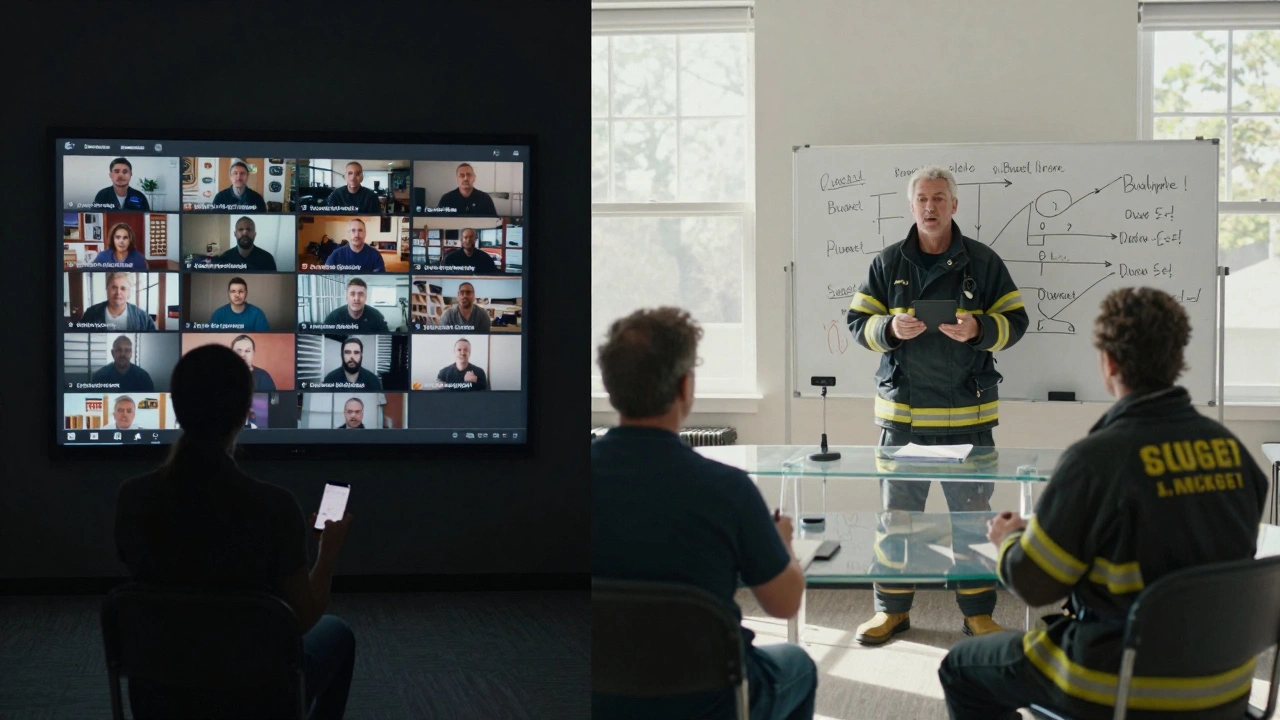
What Actually Works
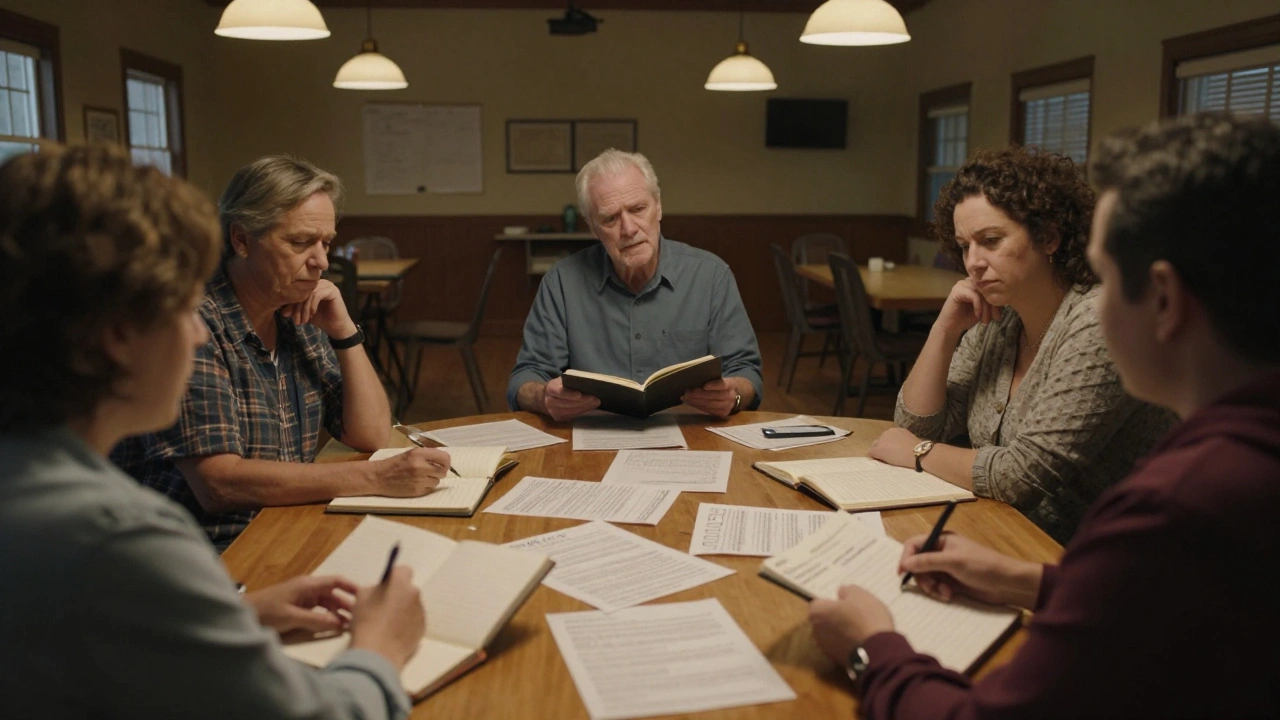
The most successful approaches don’t fight the belief. They change the context. Finland’s “Conspiracy Resilience Program” started by asking people: “What do you need to feel safe?” Not “Why do you believe this?” They held community workshops where citizens talked about their fears-about food safety, surveillance, economic collapse. Then, officials showed up-not to correct, but to explain. They shared internal documents. They walked through how decisions were made. They admitted where they’d messed up. Result? A 29% drop in conspiracy belief over two years. Not because people were convinced they were wrong. Because they felt heard. In the U.S., pilot programs in New Mexico and Michigan used the same model. They partnered with local librarians, faith leaders, and even small business owners to host “transparency circles.” People brought their questions. Officials brought their data. No debates. Just dialogue. The results? Among people who once believed in government conspiracies, policy compliance jumped 34%. Trust in local officials rose 19 percentage points. And the best part? It didn’t require a single ad campaign.The Transparency Triad
There’s a simple framework that’s working: the transparency triad. 1. Proactive disclosure. Don’t wait for questions. Share how decisions are made. Publish meeting notes. Release draft policies early. In controlled experiments, this alone reduced belief in conspiracies by 27%. 2. Structured citizen input. Let people help shape policy-not just vote on it. Citizen assemblies, participatory budgeting, public comment panels with real influence. People who feel like they helped make the rules are less likely to think the rules are rigged. 3. Trusted intermediaries. Don’t send a government spokesperson to a Reddit thread. Send a local teacher, a pastor, a retired firefighter. People trust people they know. A 2024 study found that when community members repeated government facts, belief in conspiracy theories dropped 41% compared to official statements. This isn’t PR. It’s accountability.
The Bigger Picture
There’s a $14.7 billion industry built on conspiracy theories-supplements, survival gear, alternative news sites, courses on “how to wake up.” Companies profit from fear. Algorithms reward outrage. Social media doesn’t care if you’re right. It cares if you’re clicking. But governance can’t compete with that by spending more on ads. It has to compete by being better. By being honest. By letting people in. Education helps too. Each additional year of schooling reduces conspiracy belief by 7.3%. But only 12% of U.S. public schools teach media literacy that addresses conspiracy thinking. That’s a missed opportunity.It’s Not About Belief. It’s About Power.
At its core, this isn’t a battle of facts. It’s a battle over who gets to decide what’s real. When people feel excluded from power, they create their own versions of truth. And they’re not wrong to do it. The goal isn’t to make everyone believe the same thing. It’s to make sure no one feels they have to believe something wild just to be heard. Governments that survive this moment won’t be the ones with the best fact-checkers. They’ll be the ones who learned to listen.What Comes Next
The next step isn’t more data. It’s more doors. Open them. Invite people in. Let them sit at the table. Don’t fix them. Fix the system. Because when people stop feeling like victims of a secret plot, they stop looking for one.Why do conspiracy theories spread so quickly online?
Conspiracy theories spread fast online because they tap into strong emotions-fear, anger, distrust-and social media algorithms reward content that triggers those feelings. Studies show conspiracy-adjacent posts get 2.3 times more engagement than regular political content. Platforms don’t care if it’s true; they care if it keeps you scrolling. Once a theory goes viral, it’s amplified by echo chambers, where people only hear what confirms their fears.
Can fact-checking stop conspiracy theories?
Fact-checking alone rarely works. People who believe in conspiracies often distrust the sources doing the checking-governments, mainstream media, universities. When facts come from those sources, they’re seen as part of the cover-up. More effective approaches involve trusted community members repeating the same information in familiar settings, like churches, schools, or town halls. Trust matters more than data.
Are conspiracy theories only a right-wing problem?
No. While some high-profile conspiracies like QAnon are associated with the far right, belief in government conspiracies cuts across the political spectrum. A 2023 study found that 62% of Americans believe government agencies are captured by interests that don’t prioritize public safety-regardless of party. Left-leaning believers often focus on corporate collusion or surveillance, while right-leaning ones focus on global elites or election fraud. The pattern is the same: distrust in power.
How does lack of control lead to conspiracy beliefs?
When people feel powerless-over their jobs, health, or future-they look for explanations that restore a sense of order. Conspiracy theories offer a clear cause-and-effect: “They’re doing this on purpose.” Studies show that those who feel low personal control are 38% more likely to believe in conspiracies. But when people feel part of a collective effort-like community action or participatory policy-they’re less likely to believe government is secretly working against them.
Can transparency really rebuild trust?
Yes-when it’s real. Governments that proactively share decision-making processes, admit mistakes, and invite citizens into policy design see trust rise by up to 19 percentage points among skeptics. It’s not about posting more press releases. It’s about opening doors: letting people see the meetings, read the drafts, ask questions without fear of being labeled “conspiratorial.” Transparency that’s performative fails. Transparency that’s participatory works.
What should schools do about conspiracy theories?
Schools should teach media literacy-not just how to spot fake news, but why people believe it. Every additional year of education reduces conspiracy belief by 7.3%. But only 12% of U.S. public schools currently include this in their curriculum. Teaching critical thinking, historical context, and how power operates helps students understand not just what’s false, but why false ideas spread. It’s not about indoctrination-it’s about empowerment.
Is there a link between conspiracy theories and political violence?
Yes. Research shows that belief in certain conspiracy theories-especially those framing government as an enemy-increases the likelihood of supporting or engaging in political violence. Movements like QAnon have directly inspired real-world attacks. After the January 6 Capitol riot, DHS found that 78% of those arrested had consumed conspiracy content in the 90 days prior. This isn’t theoretical. It’s a documented threat to public safety.
What’s the difference between general and government-related conspiracy theories?
General conspiracy theories-like aliens hiding UFOs or secret societies controlling the world-tend to correlate with xenophobia and social hostility. Government-related conspiracies-like “the CDC is lying about vaccines” or “elections are stolen”-directly impact civic behavior. People who believe the former are more likely to hate outsiders. People who believe the latter are less likely to vote, get vaccinated, or follow public health rules. The harm is different, and so is the solution.