Carbon Credit Quality Checker
Credit Quality Assessment Tool
Evaluate carbon credits against the ICVCM Core Carbon Principles (2026 standards). Enter key details below to determine if this credit meets integrity requirements for corporate carbon offsetting.
Assessment Results
By 2026, buying carbon credits isn’t just about checking a box on a sustainability report. It’s about making sure every credit you retire actually removes or avoids a ton of CO₂ that wouldn’t have been addressed otherwise. Companies that still treat carbon offsets like a cheap loophole are getting called out-by regulators, investors, and the public. The era of buying low-cost, low-quality credits to greenwash emissions is over. The market has woken up, and quality is no longer optional. It’s the baseline.
What Carbon Credits Are Really Supposed to Do
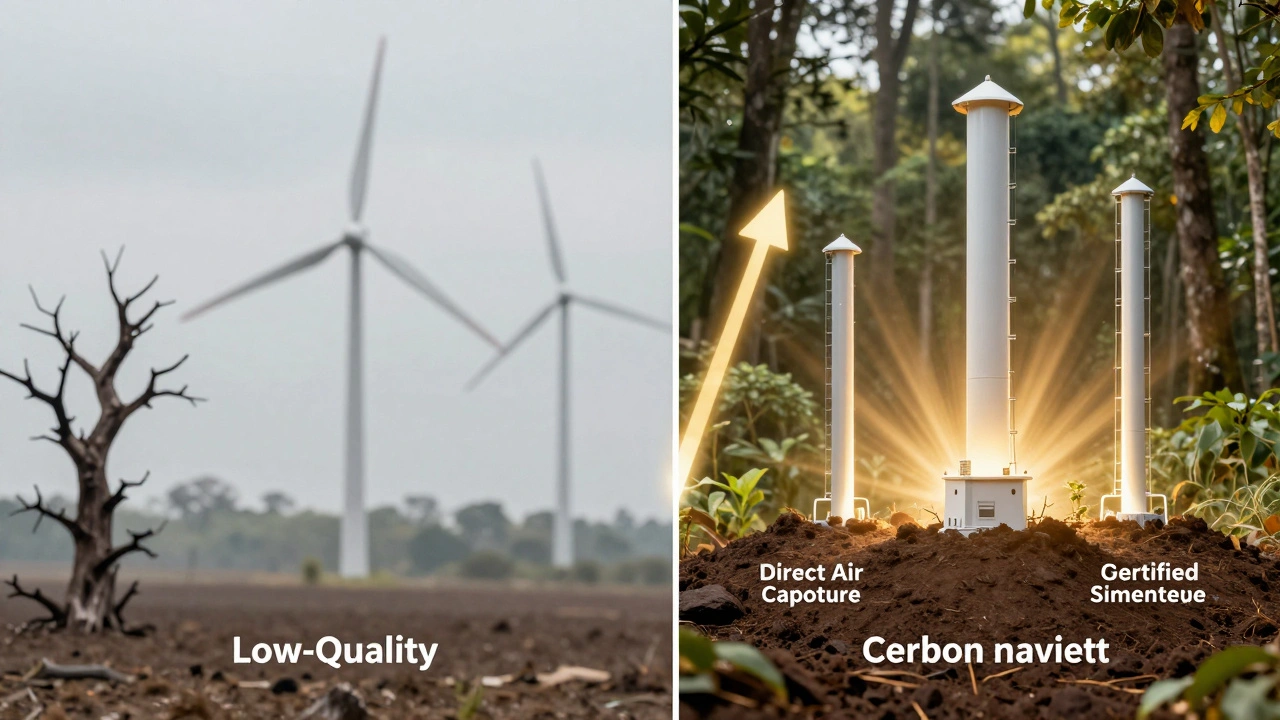
Carbon credits are meant to bridge the gap between what a company can cut on its own and what’s needed to hit net-zero goals. If you’re a manufacturer that can’t yet switch from coal to hydrogen, or a tech firm with a massive data center footprint, buying credits lets you fund projects that reduce emissions elsewhere. But here’s the catch: the project you’re funding has to be real. Not just a tree planted on paper. Not a wind turbine that was going to be built anyway. Not a methane capture system that was already required by law. That’s where additionality comes in. If a project would have happened without the money from carbon credits, then those credits are meaningless. They don’t change the climate math. They’re just accounting magic. In 2026, buyers are demanding proof that the project wouldn’t have happened without the credit revenue. That means looking at financial barriers, regulatory hurdles, and technical feasibility-not just a claim on a brochure.The Integrity Council and the Core Carbon Principles
The Integrity Council for the Voluntary Carbon Market (ICVCM) didn’t just publish guidelines. It rewrote the rules. In 2026, the Core Carbon Principles (CCPs) are the gold standard-and most serious buyers won’t touch a credit unless it meets them. These principles aren’t vague ideals. They’re specific, measurable requirements grouped into three areas: Governance, Emissions Impact, and Permanence. Governance means transparent tracking, third-party verification, and clear registries that prevent double-counting. Emissions Impact demands rigorous quantification: how much CO₂ was really removed or avoided? And Permanence? That’s the big one. For removal credits-like direct air capture or biochar-you need guarantees that the carbon stays out of the atmosphere for at least 100 years. That’s not a suggestion. It’s a requirement. And the ICVCM has approved 40 different methodologies that meet these standards, covering everything from soil carbon to engineered removals. Companies that use CCP-aligned credits aren’t just doing good. They’re protecting their brand. A 2025 study showed that credits rated A or higher by MSCI Carbon accounted for 36% of all credit retirements in the U.S. market. That’s not a fluke. It’s a shift. Buyers are voting with their wallets, and they’re choosing integrity over cheapness.Additionality Isn’t a Buzzword-It’s a Verification Process
Additionality isn’t something you state. It’s something you prove. And the process is rigorous. First, you establish a baseline: what would have happened without the carbon finance? If a forest was already scheduled for protection under local law, then selling credits for preserving it doesn’t add any new climate benefit. Second, you check certification. Is the project verified by Verra, Gold Standard, or another ICVCM-approved standard? Third, you ask: what barriers did the carbon revenue overcome? Was there a lack of funding? A regulatory delay? A technical risk that only carbon credit income could cover? The old days of claiming additionality based on a vague “project risk assessment” are gone. Today, buyers demand documented evidence. Sylvera’s 2026 report found that credits with weak additionality claims were sitting unsold in inventory, while high-integrity credits were in deficit. The market is sorting itself out-and the low-quality ones are being left behind.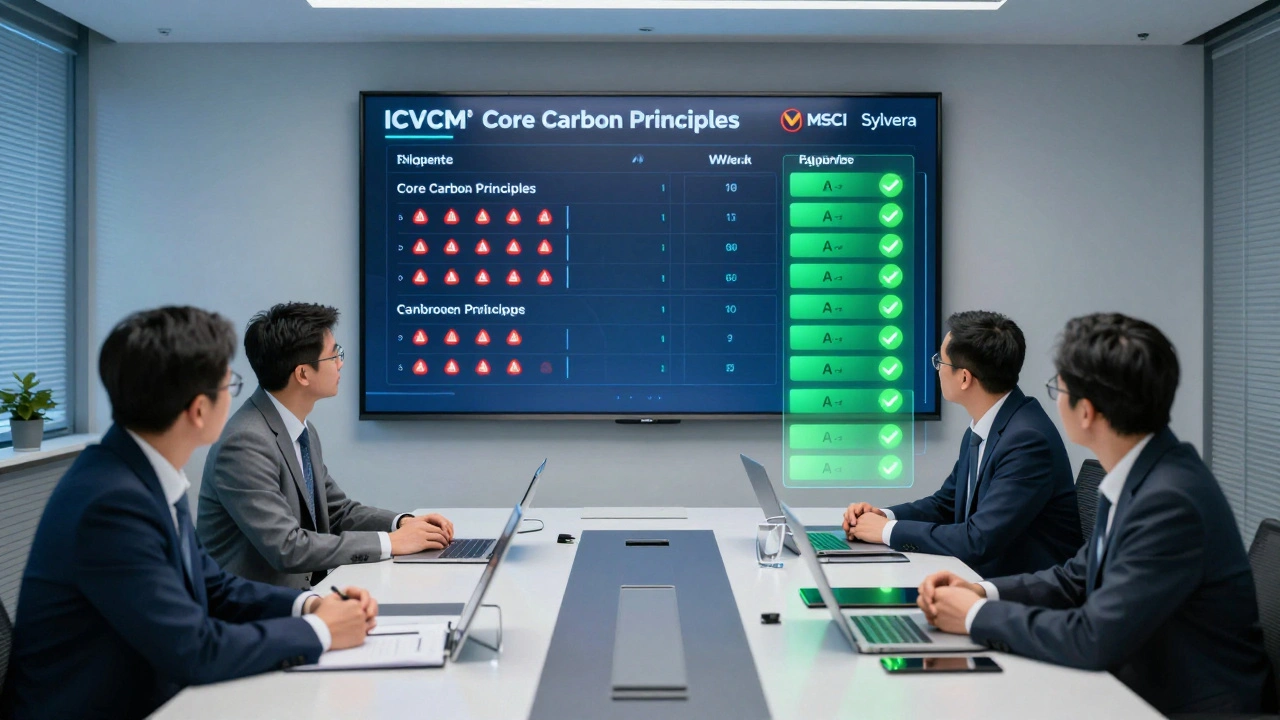
Removal Credits Are the New Premium
Avoidance credits-like protecting forests or switching to clean energy-have their place. But in 2026, the real value is in removal. These are credits that pull CO₂ out of the air and lock it away permanently. Think Direct Air Capture and Storage (DACCS), Bioenergy with Carbon Capture and Storage (BioCCS), or even biochar buried in soil for centuries. The European Union’s Carbon Removal Certification Framework (CRCF), expected to issue its first certified units in 2026, is setting the tone. Under CRCF, removal credits must meet strict durability thresholds. No 10-year guarantees. No 25-year promises. It’s 100 years or more. Why? Because climate change isn’t a five-year problem. It’s a multi-generational one. If you’re going to claim you’ve offset emissions, you need to prove the carbon won’t come back. And the market is responding. High-quality removal credits are trading at 300%+ premiums over avoidance credits. That’s not speculation. It’s fact. Companies like Microsoft, Stripe, and Shopify have already locked in long-term contracts for removal credits because they know: in 50 years, when the world is still dealing with legacy emissions, these credits will still matter.Regulations Are Forcing Transparency
You can’t hide anymore. California’s SB 253, effective in 2026, requires large companies to report Scope 1 and 2 emissions-and get them verified by a third party. But here’s the kicker: you can’t mix your emissions data with your carbon credit purchases. You have to show your raw emissions, then separately show what you bought. No blending. No obfuscation. The EU’s Corporate Sustainability Reporting Directive (CSRD) does the same thing. It forces companies to disclose emissions and credit retirements as two separate line items. Investors can now see exactly how much a company is cutting vs. how much it’s buying. That transparency is turning carbon credits from a PR tool into a financial instrument. Companies with low-quality portfolios are seeing their valuations dip. Those with verified, high-integrity credits are gaining investor trust. Japan’s compliance market is another signal. It now allows companies to use up to 10% of their emissions obligations with carbon credits. That means credits aren’t just for voluntary goals anymore-they’re becoming part of legal compliance. That raises the bar even higher. You can’t use junk credits to meet a legal requirement.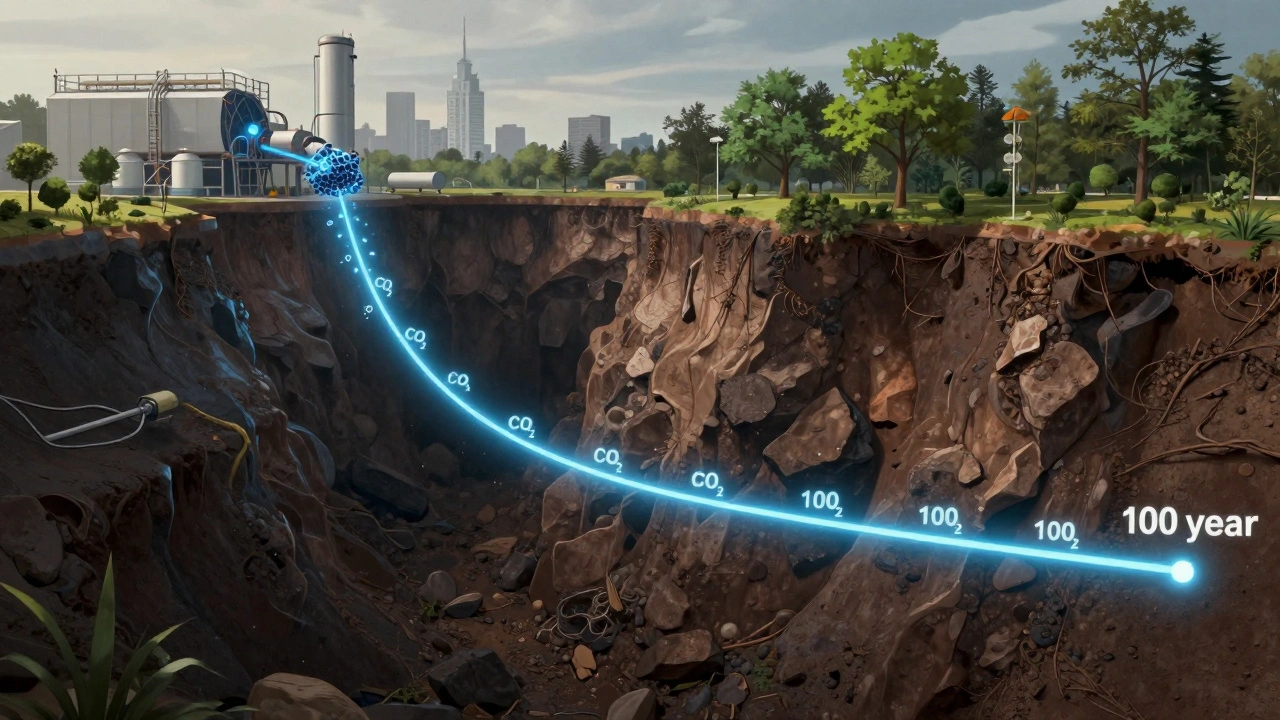
Price Gaps Are Widening-And That’s a Good Thing
The carbon market isn’t one price anymore. It’s split. At the bottom, you’ve got credits that don’t meet ICVCM standards-selling for under $5 per ton. At the top, CCP-aligned removal credits are hitting $25-$40 per ton. And the gap is growing. Why? Because buyers are no longer willing to gamble. An 82% rise in average credit prices over the last two years reflects this shift. It’s not inflation. It’s reallocation. Money is flowing toward credits that deliver actual climate outcomes. Rating agencies like MSCI, Sylvera, and Abatable now give credits scores based on methodology, permanence, and governance. Buyers use those scores like credit ratings. A BBB or higher? Fine. A C? Forget it. This isn’t a market crash. It’s a market correction. The old model-buy cheap, hope for the best-is dead. The new model-pay more, know it works-is here to stay.What This Means for Corporate Buyers
If you’re a company still using carbon credits as a band-aid, you’re at risk. Regulatory scrutiny is tightening. Investor pressure is rising. Public trust is fragile. Here’s what you need to do in 2026:- Only buy credits certified under ICVCM’s Core Carbon Principles.
- Require proof of additionality, permanence, and third-party verification for every credit.
- Shift your portfolio toward permanent removals-especially for hard-to-abate emissions.
- Separate your emissions reporting from your credit retirement data-no blending.
- Use independent ratings (MSCI, Sylvera) to screen suppliers before you buy.
What’s the difference between avoidance and removal credits?
Avoidance credits prevent emissions from happening-for example, by protecting a forest or switching to solar power. Removal credits actively pull CO₂ out of the atmosphere and store it permanently-like through direct air capture or biochar. Removal credits are more valuable because they address existing emissions, not just future ones. In 2026, removal credits command 300%+ higher prices due to their permanence.
Why does additionality matter so much?
Additionality ensures the carbon reduction or removal wouldn’t have happened without the credit funding. If a project was already going to happen due to law, profit, or technology, then buying a credit for it doesn’t help the climate. It’s just accounting. In 2026, buyers require documented proof of additionality through baseline analysis, barrier tests, and certification.
Are all carbon credits the same?
No. Credits vary wildly in quality. Some are based on outdated methods, weak verification, or lack permanence. Others are verified under strict standards like ICVCM’s Core Carbon Principles. As of 2026, only credits meeting these standards are trusted by major corporations and regulators. Low-quality credits are losing value, while high-integrity ones are in high demand.
Can I use carbon credits to meet regulatory requirements?
Yes-but only high-quality ones. California’s SB 253 and Japan’s compliance market now allow credits to count toward legal obligations, but only if they’re verified, transparent, and meet strict integrity criteria. The EU’s CSRD doesn’t allow credits to reduce reported emissions at all-they must be disclosed separately. Using low-quality credits for compliance now carries legal and reputational risk.
How do I know if a credit is high quality?
Check three things: Is it certified under an ICVCM-approved methodology? Does it have independent ratings from agencies like MSCI or Sylvera? Does it prove additionality and permanence (100+ years for removals)? High-quality credits are traceable through registries, have transparent MRV (monitoring, reporting, verification) data, and come with third-party audit reports. Avoid credits with vague claims or no public documentation.