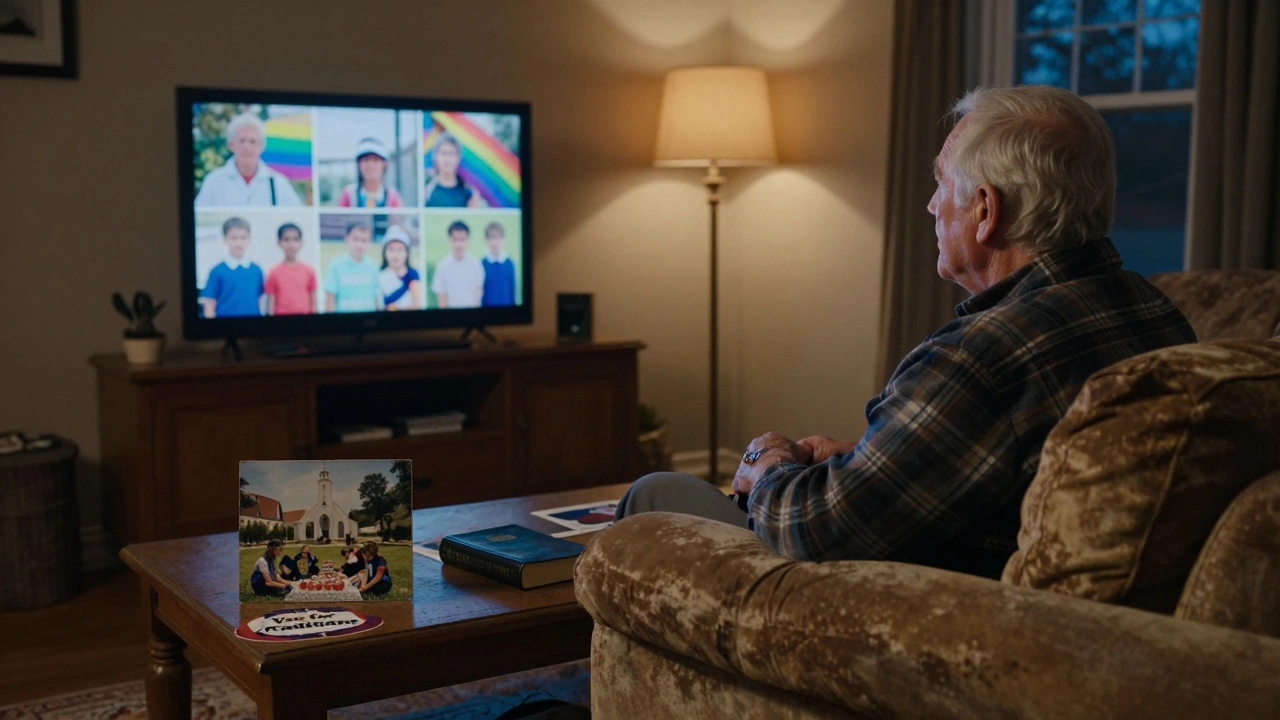
Think about the last time you saw someone react to a change in society like it was an invasion. Not a protest. Not a debate. A full-blown cultural backlash. It’s not just about politics. It’s deeper. It’s about identity. It’s about fear that the world you grew up in - the way people talked, dressed, loved, worshipped, and raised kids - is slipping away. And when that happens, people don’t just vote differently. They feel like they’re losing something real.
Here’s the thing most people miss: this isn’t about economics. Sure, some folks are struggling financially. But research from the European Social Survey and U.S. exit polls shows something clearer: only one out of five economic factors predicts support for populist movements. Meanwhile, five cultural factors - like views on immigration, gender roles, religion, national identity, and trust in institutions - all line up perfectly with who votes for these leaders. This is a cultural earthquake, not a job loss crisis.
What Exactly Is Cultural Backlash?
Cultural backlash isn’t just stubbornness. It’s a psychological and political reaction to long-term shifts in values. Over the last 50 years, Western societies have quietly moved toward what scholars call the "silent revolution" - more openness to LGBTQ+ identities, less emphasis on religion, more acceptance of diversity, and a belief that personal freedom matters more than tradition. For many, especially those raised in tighter-knit, more homogeneous communities, this didn’t feel like progress. It felt like erasure.
Think of it like this: if you spent your whole life believing that marriage meant a man and a woman, that patriotism meant one flag and one language, and that faith was the foundation of morality - then suddenly seeing those things questioned on TV, in schools, and in ads doesn’t feel like debate. It feels like an attack on your whole way of being. That’s when the backlash kicks in.
The Generational Split
Not everyone reacts the same. The strongest backlash comes from older generations - those who came of age before the internet, before same-sex marriage was legal, before multiculturalism became normal. They remember a time when their community was predictable. When neighbors knew each other. When the rules were clear.
Younger people? They grew up with smartphones, global streaming, and diverse classrooms. For them, change isn’t scary - it’s normal. That’s why you see this gap: grandparents voting for leaders who promise to "take the country back," while their grandkids vote for candidates who talk about climate justice and gender fluidity. It’s not ignorance. It’s different life experiences shaping different worldviews.
Researchers call this the "authoritarian reflex." It’s not about being harsh. It’s about craving order. When change feels fast and chaotic, people reach for strong leaders who say, "I’ll protect us." They don’t care if the leader is perfect. They care if the leader sounds like them.
Why Migration Fuels the Fire
It’s easy to blame immigration alone. But it’s not just about skin color or accents. It’s about speed. When a town goes from 95% white to 60% white in 15 years - and schools, churches, and local media start changing to reflect that - it doesn’t feel like growth. It feels like replacement.
Studies show that the biggest backlash doesn’t happen in places with the most immigrants. It happens in places that were once homogeneous and are changing fast. A small town that never saw a Muslim family until last year? That’s where the fear spikes. Not because people are racist - though some are - but because the familiar world they knew is vanishing. And when that happens, people don’t just vote. They rally.
And it’s not just about race. The same fear extends to gender norms, sexual freedom, even how kids are taught in school. A parent who grew up with strict gender roles might see a school allowing a child to change their name or pronoun and feel like they’re being told their values are wrong. That’s not about education. That’s about identity.
Urban vs. Rural: The Geography of Division
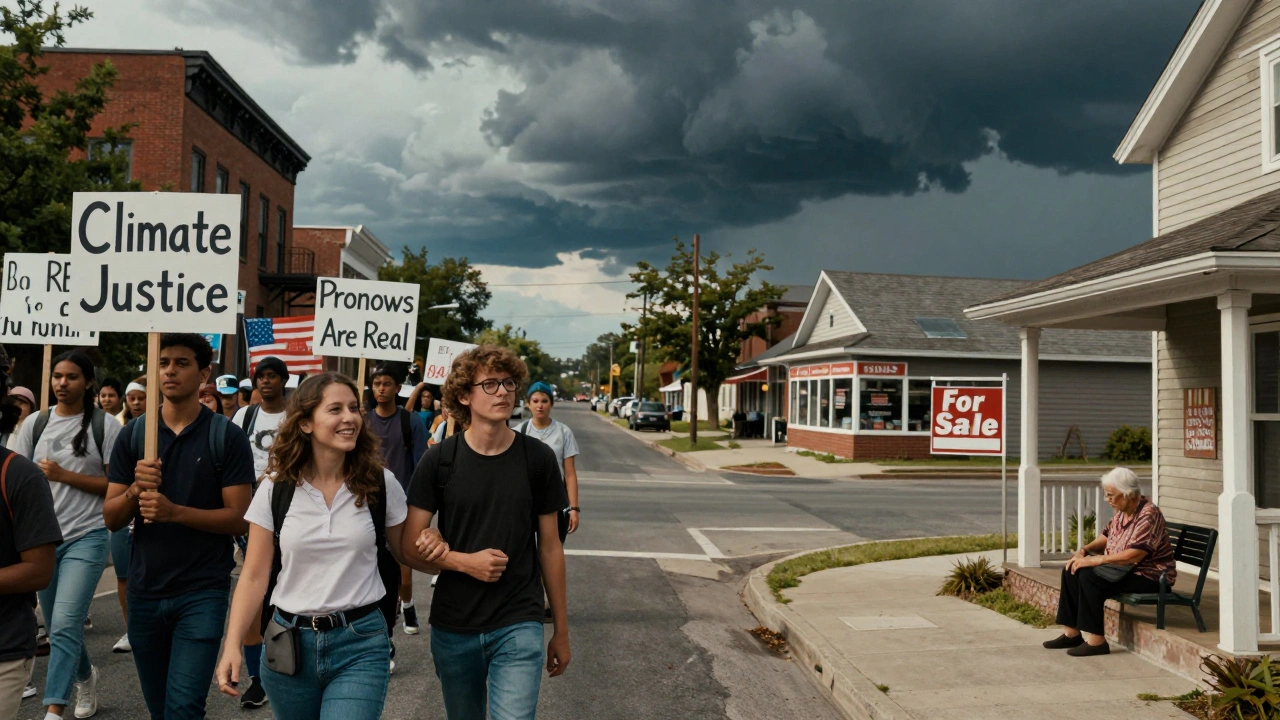
Look at a map of recent elections. Big cities vote one way. Rural areas vote another. Why? Because cities are where change happens fastest. They’re full of universities, startups, immigrants, and artists. They’re designed for diversity.
Small towns? They’re often left behind. Jobs vanish. Young people leave. The local church closes. The school gets smaller. And what’s left? People who still believe in the old rules. They feel forgotten. Not just economically - culturally.
This isn’t a coincidence. It’s a pattern. Urban centers become melting pots. Rural areas become echo chambers. And the distance between them grows - not just in miles, but in values. When one side sees the other as "out of touch," and the other sees them as "backward," you don’t get compromise. You get polarization.
Populism Isn’t Just Politics - It’s Identity
Populist leaders don’t win because they fix the economy. They win because they give people a story. A story that says: "You’re not alone. The elites are laughing at you. The media is lying to you. The system is rigged against people like you. I’m the only one who’ll fight for you."
This isn’t new. History is full of movements that used similar language - from the Chartists in 1800s Britain to the Fascists in 1930s Europe. What’s different now? The tools. Social media spreads fear faster. Algorithms feed rage. And people don’t need a rally to feel united. They just need a meme.
The real power of these movements isn’t in their policies. It’s in their ability to make people feel seen. When you’re told your values are outdated, your faith is primitive, your traditions are offensive - you don’t just disagree. You rebel. And you vote for the person who says, "I get it."
Reform Fatigue: When Change Becomes Overload
Here’s the hidden trigger: reform fatigue. It’s not one change that breaks people. It’s the pile-up. One year, same-sex marriage is legalized. The next, gender-neutral bathrooms go mainstream. Then schools change how they teach history. Then corporations start mandating diversity training. Then influencers redefine masculinity.
For someone raised in a traditional home, this isn’t progress. It’s chaos. And when change keeps coming - fast, loud, and without asking - people stop listening. They stop believing in dialogue. They stop trusting institutions. They just want it to stop.
That’s when they turn to leaders who say: "Enough. We’re done changing. We’re going back."

The Economic Twist
Let’s be clear: money matters. But not the way you think. It’s not about poverty. It’s about competition. When jobs disappear and wages stagnate, people start looking for someone to blame. And when culture is already in flux, it’s easy to point to immigrants, outsiders, or "elites" as the cause.
Research shows that economic inequality makes people more likely to support policies that help "people like us" - but only if "us" means native-born, traditional, or white. In other words, when money gets tight, people don’t just want help. They want help that doesn’t go to "them." And that’s where cultural backlash and economic anxiety lock together.
It’s not either/or. It’s both/and. The fear of losing your job + the fear of losing your values = a perfect storm.
What Happens Next?
This isn’t going away. The silent revolution didn’t stop. The world keeps changing. But the backlash isn’t just a reaction - it’s becoming a force. It’s shaping laws, school boards, media narratives, even how families talk at dinner.
The question isn’t whether change will continue. It’s whether societies can find a way to let people feel secure while still moving forward. Can you respect tradition without freezing progress? Can you protect identity without excluding others?
There’s no easy answer. But ignoring the emotional core of this conflict - the fear, the grief, the sense of loss - only makes it worse. You can’t argue someone out of feeling abandoned. You have to acknowledge it first.
Is cultural backlash just about racism and xenophobia?
No. While racism and xenophobia are often part of it, cultural backlash is broader. It includes resistance to changes in gender roles, sexual norms, religious expression, education, and national identity. Someone might not be racist but still feel deeply threatened by schools teaching about LGBTQ+ history or corporations promoting gender-neutral language. The backlash is rooted in a fear that traditional structures - family, faith, community - are being dismantled, not just by outsiders, but by institutions they once trusted.
Why do some people support authoritarian leaders even if they don’t agree with all their policies?
Because it’s not about policy - it’s about loyalty. When people feel culturally disoriented, they don’t look for perfect solutions. They look for someone who speaks their language, defends their values, and refuses to apologize for them. Even if the leader’s economic plan is flawed or their rhetoric is extreme, supporters feel seen. That emotional connection overrides policy disagreements. It’s about identity, not ideology.
Can economic policies reduce cultural backlash?
Not alone. While improving job security, wages, and access to services can ease anxiety, it doesn’t fix the deeper feeling of cultural displacement. A person might still feel alienated even if they get a raise - if their town’s school no longer teaches the same values they grew up with, or if their church is now seen as "out of touch." Economic relief helps, but it doesn’t replace the need for cultural recognition.
Is cultural backlash the same as conservatism?
Not exactly. Conservatism is about preserving values - often through dialogue, tradition, and gradual change. Cultural backlash is a defensive reaction to rapid change, often fueled by fear and resentment. It’s not about maintaining tradition - it’s about fighting what’s perceived as an attack on it. The difference is emotional intensity and the willingness to reject compromise.
Why does cultural backlash seem stronger in some countries than others?
It depends on how fast and how visibly society changed. Countries with rapid immigration, secularization, and social liberalization - like the U.S., U.K., and parts of Western Europe - saw the strongest backlash. Places with slower change, stronger social safety nets, or more homogeneous cultures (like Japan or Poland) had different reactions. But even there, the pattern holds: when a group feels its way of life is disappearing, resistance follows.
What Should Be Done?
There’s no magic fix. But here’s what doesn’t work: telling people they’re wrong. Calling them racist. Ignoring their pain. Mocking their values. That just deepens the divide.
What might help? Listening - really listening - to why people feel afraid. Not to agree with them. But to understand. Acknowledging that change can be disorienting. Recognizing that tradition isn’t evil - it’s a source of meaning for millions.
Progress doesn’t have to mean erasure. You can honor diversity without dismissing history. You can protect rights without mocking beliefs. But that takes courage. And it takes humility.
The next chapter won’t be written by politicians alone. It’ll be written in schools, churches, workplaces, and living rooms. The question is: will we build bridges - or walls?