When countries can’t win through force or money, they turn to something quieter but just as powerful: cultural diplomacy. In a world where tensions between major powers are rising - from the South China Sea to Eastern Europe - governments are no longer relying only on tanks or trade deals. Instead, they’re sending musicians, filmmakers, chefs, and students abroad to build trust one conversation at a time. This isn’t just about good will. It’s a strategic tool, carefully designed to shape how the world sees a nation - and whether others want to follow its lead.
What Exactly Is Soft Power?
Soft power doesn’t shout. It doesn’t threaten. It attracts. The term was first clearly defined by Harvard professor Joseph Nye in the late 1980s, and since then, it’s become the quiet engine behind global influence. Unlike hard power - which uses military strength or economic pressure - soft power works by making a country appealing. People don’t feel forced to like it. They choose to.
There are three pillars to soft power: culture, values, and policies. Culture means music, films, food, fashion, and art that people around the world naturally admire. Values refer to how a country treats its own citizens - democracy, human rights, freedom of speech - and whether it practices what it preaches. Policies matter too. If a country’s foreign actions are seen as fair and ethical, even its rivals are more likely to listen.
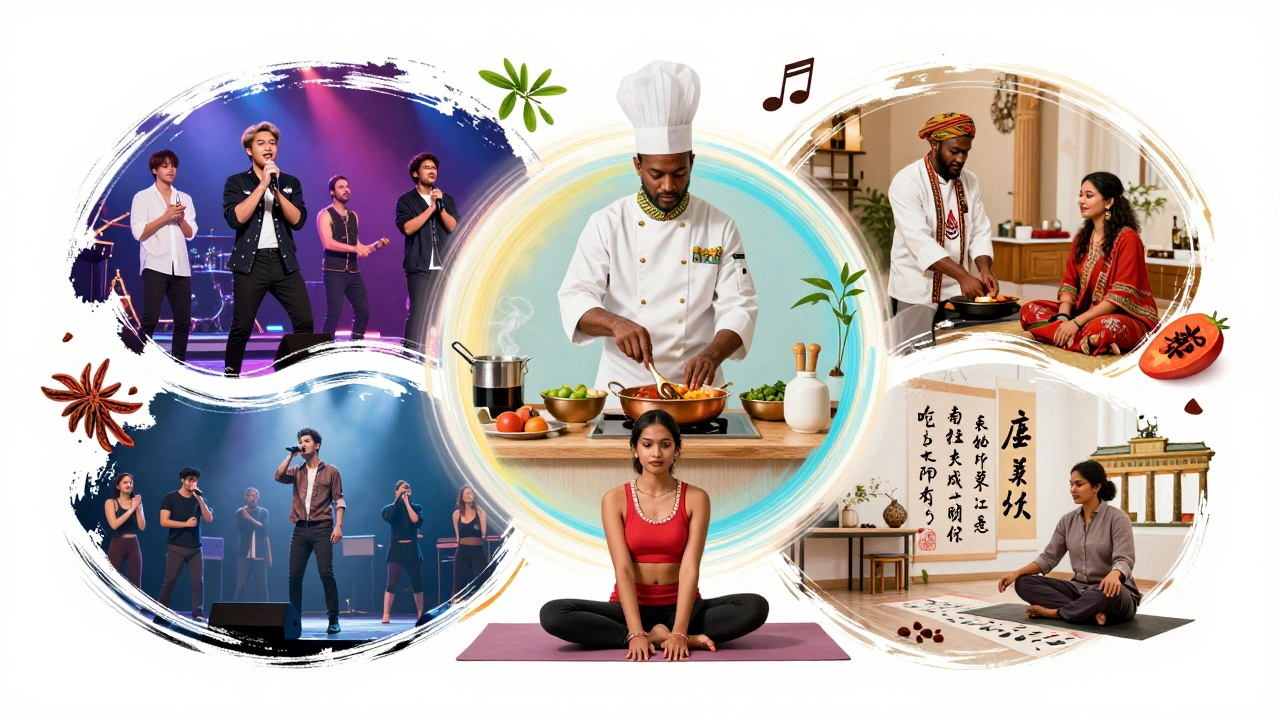
Take South Korea. Ten years ago, few outside Asia knew much about K-pop. Today, BTS headlines stadiums in Los Angeles, and Korean dramas stream in over 190 countries. The South Korean government didn’t just fund pop stars - it built entire systems: language programs, cultural centers, visa-friendly policies for artists. The result? A global image shift. South Korea went from being seen as a post-war industrial economy to a cultural trendsetter. That’s soft power in action.
Cultural Diplomacy in Practice
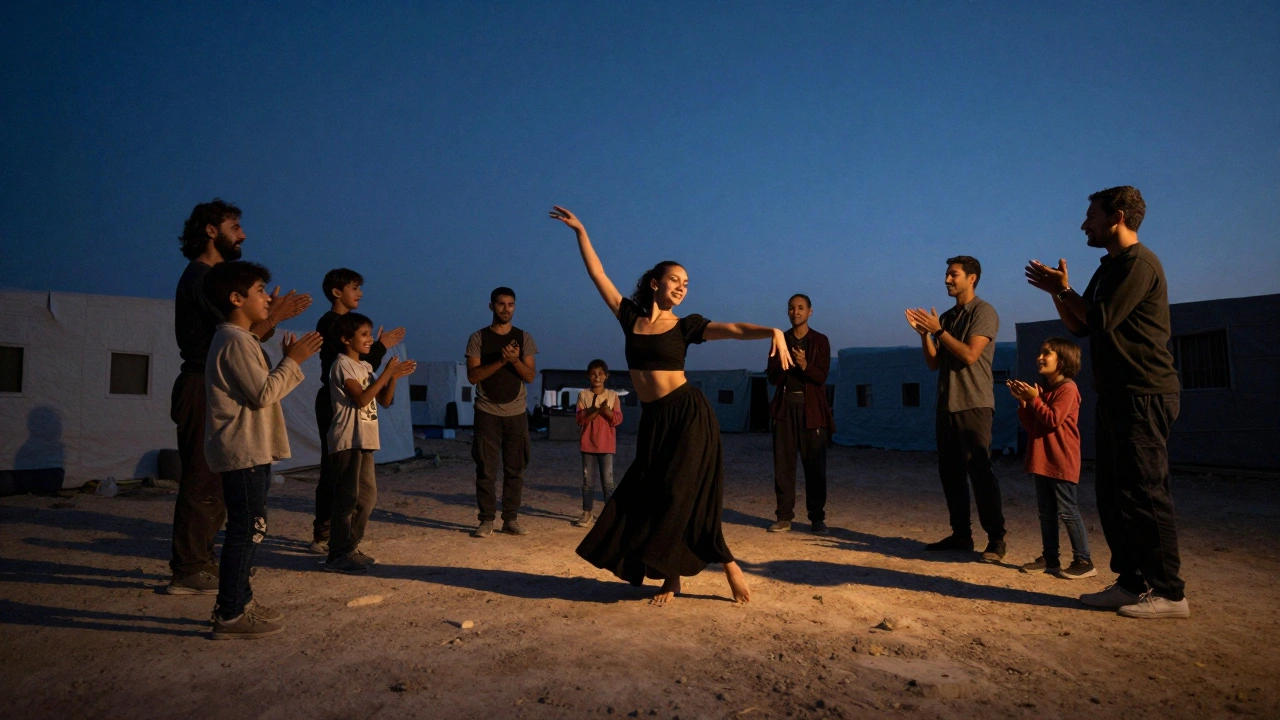
Cultural diplomacy isn’t just big festivals or fancy exhibitions. It’s everyday moments that add up. A Nigerian student studying in India learns yoga and starts teaching it back home. A Japanese chef opens a ramen shop in Nairobi, and suddenly, people there associate Japan with quality and care. A Brazilian dance troupe performs in a refugee camp in Jordan, and children who’ve never seen live theater smile for the first time.
These aren’t accidents. They’re planned. Countries now have entire departments dedicated to cultural outreach. India’s Indian Council for Cultural Relations is a government body that coordinates global cultural programs, from yoga demonstrations to film screenings. In 2021, they launched a major push to use Indian cuisine as a diplomatic tool - sending chefs to embassies worldwide to host cooking classes. Why? Because food builds connections faster than speeches. A shared meal breaks down barriers.
Education is another major lever. The U.S. Fulbright Program has sent over 400,000 students and scholars abroad since 1946. Many return home not just with degrees, but with deep personal ties to American universities and communities. China’s Confucius Institutes teach Mandarin and Chinese culture in over 150 countries - though they’ve faced criticism for blurring the line between education and propaganda. Still, they work. In places like Senegal and Egypt, demand for Chinese language classes has surged.
The Digital Revolution in Cultural Influence
Before the internet, cultural diplomacy meant sending orchestras overseas. Now, it’s about trending hashtags.
YouTube, TikTok, and Instagram have turned cultural influence into a real-time game. Nigeria’s Nollywood films now reach millions without ever hitting a theater. Nigerian artists like Burna Boy and Wizkid dominate global charts, and their lyrics often carry messages of African pride. This isn’t state-sponsored - it’s organic. But governments notice. Nigeria’s foreign ministry now actively promotes Nollywood as part of its soft power strategy.
Even in authoritarian states, digital tools are reshaping influence. Iran uses Instagram to showcase Persian poetry and architecture to Western audiences. Russia broadcasts state-backed documentaries on YouTube targeting diaspora communities. And in China, the government uses Douyin (TikTok’s Chinese version) to show scenes of rural life, ancient temples, and high-speed trains - carefully curated to counter negative narratives.
But there’s a dark side. When cultural content is stripped of context, it becomes shallow. A yoga pose on TikTok with no mention of its spiritual roots? That’s appropriation, not diplomacy. A K-pop dance cover that ignores South Korea’s history of colonial trauma? That’s entertainment, not understanding. True cultural diplomacy doesn’t just show off - it invites dialogue.
Why This Matters in a Tense World
When NATO and Russia are at odds, or the U.S. and China are locked in tech wars, diplomacy through talks alone often fails. Negotiations freeze. Sanctions hurt. But cultural ties? They don’t break.
During the Cold War, Radio Free Europe and Jazz Ambassadors from the U.S. reached people behind the Iron Curtain. They didn’t win battles - they won hearts. When East Germans heard Louis Armstrong on smuggled tapes, they didn’t just hear music. They heard freedom.
Today, the same logic applies. In Ukraine, after the 2022 invasion, cultural exchange programs with European countries exploded. Ukrainian poets read in Berlin, artists painted murals in Warsaw, students from Kyiv were hosted in Polish universities. These weren’t just humanitarian gestures. They built networks of loyalty that will last decades.
And in places like Afghanistan, where governments rise and fall, culture endures. In 2001, after the Taliban fell, young Afghans lined up for copies of the U.S. Bill of Rights. Not because they were forced to. Because they wanted to. That’s the power of an idea made visible.
Who’s Winning at Soft Power?
Not every country has the same tools. But some have turned limitations into advantages.
Japan’s "Cool Japan" strategy, launched in 2002, turned anime, manga, and sushi into global exports - and then into national brand equity. The government partnered with private companies, not just to sell products, but to sell a lifestyle. Today, Japan is seen as innovative, orderly, and peaceful - even as its military spending rises.
India uses its massive diaspora - over 30 million people worldwide - as cultural bridges. Bollywood films are shown in Lagos, Delhi-style street food is sold in Toronto, and yoga studios thrive in Stockholm. India’s five-pillar soft power model - dignity, dialogue, shared prosperity, security, and culture - is one of the most structured in the world.
Nigeria has no nuclear weapons. But it has Nollywood - the second-largest film industry on Earth. Its music, fashion, and humor spread faster than any government campaign could. Nigeria’s soft power is grassroots, messy, and real - and it’s working.
Meanwhile, the U.S. still leads in global cultural reach - from Hollywood to Silicon Valley - but its influence is slipping. Why? Because its policies are seen by many as inconsistent. You can’t preach democracy while supporting authoritarian regimes. Soft power needs credibility.
The Hidden Cost of Soft Power
It’s not all smooth sailing. Cultural diplomacy can backfire. When a country pushes its culture too hard, it looks like manipulation. When it ignores local context, it looks like arrogance.
China’s Confucius Institutes have been shut down in Australia, Canada, and Sweden over concerns about academic freedom. South Korea’s global pop culture boom has sparked backlash in some countries over cultural homogenization. Even India’s yoga promotion has faced criticism for being stripped of its spiritual depth to fit Western fitness trends.
True cultural diplomacy doesn’t dominate - it listens. It doesn’t sell a product. It builds relationships. The most successful programs are two-way: they bring foreign artists to your country, and they send yours abroad. They don’t just teach - they learn.
What Comes Next?
As digital platforms grow, and as younger generations connect across borders, cultural diplomacy will become even more important. Countries that treat it as a public relations tactic will fail. Those that treat it as a long-term investment in human connection will thrive.
The future belongs to nations that can tell stories - not just through ads, but through shared experiences. A Ukrainian child learning to play the bandura from a Polish teacher. A Syrian refugee in Germany studying Arabic calligraphy with a local artist. A Brazilian teenager streaming a Kenyan hip-hop track and writing to the musician.
These moments don’t make headlines. But they change the world.
Is cultural diplomacy the same as propaganda?
No. Propaganda tells people what to think. Cultural diplomacy invites people to feel something. It doesn’t force a message - it offers an experience. Propaganda is one-way: state to public. Cultural diplomacy is two-way: person to person. The difference is trust. Propaganda erodes it. Cultural diplomacy builds it.
Can small countries use cultural diplomacy effectively?
Absolutely. Size doesn’t matter - authenticity does. Portugal uses its fado music and maritime history to build ties across Latin America and Africa. Iceland promotes its literature and geothermal energy as symbols of resilience. Even Luxembourg, a tiny country, has become a hub for European arts funding. What matters is having something unique to share - and sharing it with humility.
How do you measure the success of cultural diplomacy?
You don’t count likes or tweets. You look at long-term shifts: Are more students applying to study in your country? Are your films being screened in places they never were before? Are local artists collaborating with yours? Are public opinion polls showing improved perceptions? Real success is slow, quiet, and deep - like roots growing under the soil.
Does cultural diplomacy work in authoritarian countries?
It can, but it’s harder. When a government controls media, restricts free expression, or suppresses dissent, its cultural exports risk being seen as tools of control - not genuine connection. That’s why countries like Russia and China struggle to build lasting goodwill, even with popular exports like films or food. People can tell when culture is used as a mask for power.
Can cultural diplomacy reduce military conflict?
It doesn’t stop bullets, but it makes them harder to fire. When people know each other - when they’ve shared music, food, or a classroom - they’re less likely to see each other as enemies. History shows that countries with strong cultural ties are far less likely to go to war. It’s not a guarantee, but it’s one of the most powerful deterrents we have.
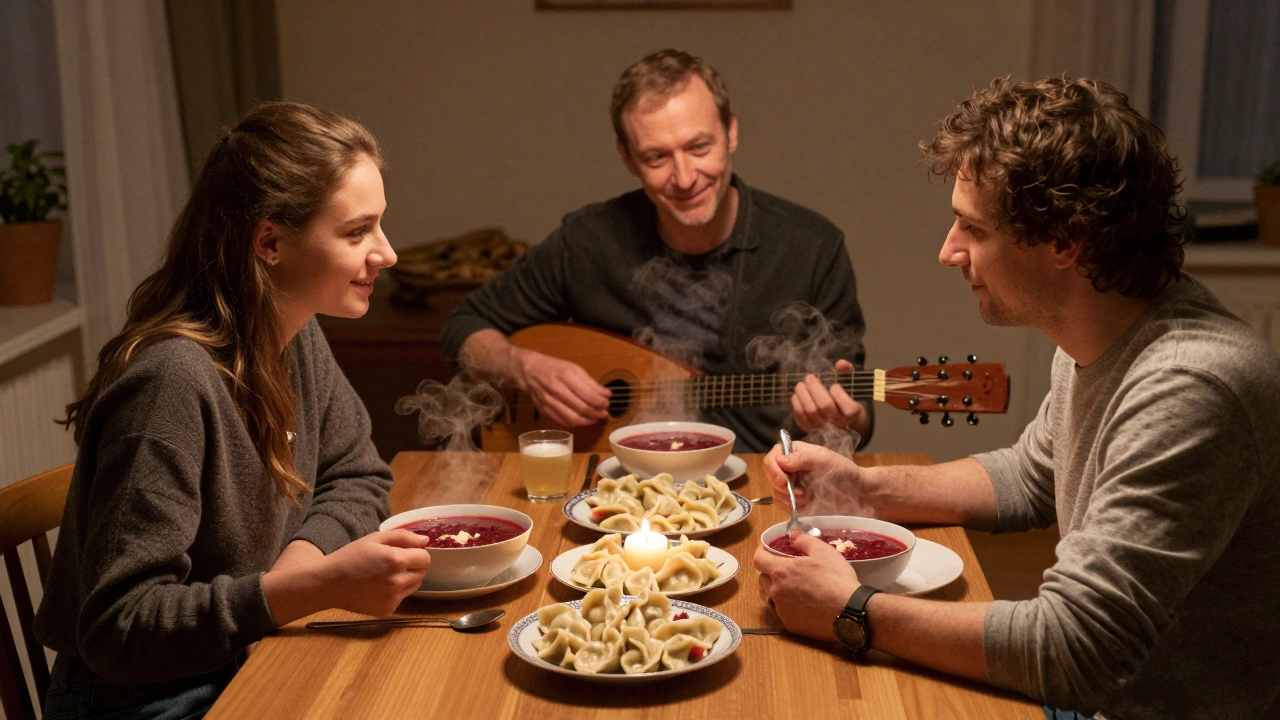
At its core, cultural diplomacy reminds us that politics isn’t just about governments. It’s about people. And in a world full of walls, the best way to tear them down is to invite someone over for dinner.