Frontline Workforce Impact Calculator
Calculate Your Workforce Impact
Estimate potential savings from reducing turnover and investing in frontline workers
Results
Current Annual Costs
Cost of turnover for $[workers] workers: $0
Current annual training investment: $0
Potential Savings
With 10% reduction in turnover: $0
With $800 training investment per worker: $0
Total potential savings: $0
Based on article data: Companies investing over $400/worker see 10% higher productivity and 30% lower turnover
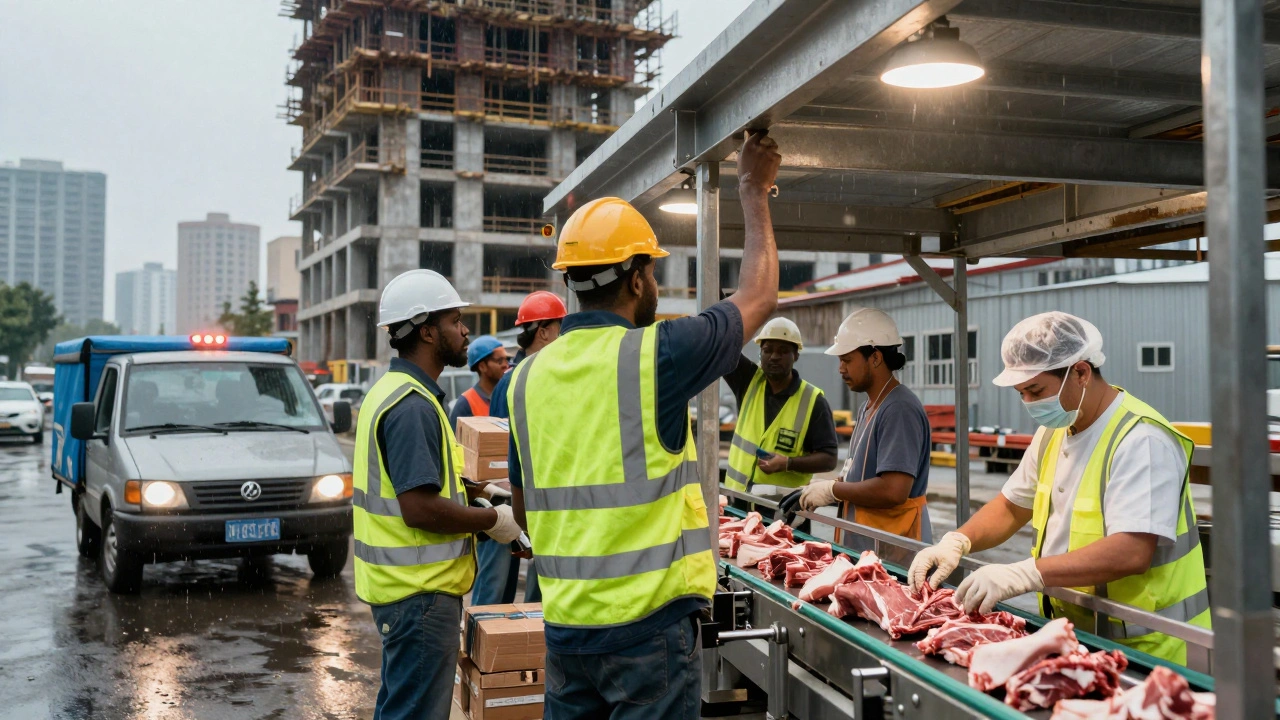
More people are working in delivery trucks, on construction sites, and inside food processing plants than ever before. In the U.S., frontline jobs now make up 70% of the entire workforce. That’s not a small trend-it’s a structural shift in how the economy runs. And it’s not slowing down. Between 2025 and 2030, the Bureau of Labor Statistics expects over 4.2 million new positions to open in just these three sectors: delivery, construction, and food processing. Why? Because automation can’t replace them-not fully, not yet, and maybe never.
Why These Jobs Won’t Disappear
You’ve heard the story: robots will take over jobs. But in delivery, construction, and food processing, that’s not happening. Delivery drivers don’t just move packages-they handle missed deliveries, weather delays, and angry customers. Construction workers don’t just lay bricks-they read blueprints, adjust for uneven ground, and fix mistakes on the fly. Food processors don’t just push buttons-they inspect meat for contamination, calibrate machinery mid-run, and respond to safety alarms in real time. These aren’t tasks you can code. They require adaptability, physical presence, and judgment. Even with AI tools helping schedule shifts or track inventory, someone still has to be there. That’s why companies are hiring faster than ever. The U.S. frontline workforce is growing at 4.7% per year, while white-collar roles grow at less than 2%. In delivery alone, jobs are increasing by 11.3% annually. Construction is up 6.8%. Food processing, driven by changing diets and supply chain needs, is growing 5.2%.The Human Cost of Growth
More jobs don’t mean better lives. Frontline workers are stretched thin. A 2025 UKG survey of 8,000 workers across 10 countries found that 75% reported burnout. More than half-56%-are living paycheck to paycheck. That’s down from 64% in 2024, but still alarmingly high. Turnover is crushing these industries. Quick-service restaurants see 87% annual turnover. Retail? 81%. Logistics? 73%. That means companies are constantly recruiting, training, and losing people. One delivery driver on Reddit said, “I quit because my schedule changed three times a week with only 24 hours’ notice. I couldn’t arrange childcare.” That’s not an outlier. Glassdoor reviews for major delivery companies average just 2.8 out of 5 stars, with 63% of complaints about unpredictable hours and pay errors. The physical toll is even worse. In food processing, there are 5.1 injuries per 100 full-time workers-the highest rate of any major industry. Construction isn’t far behind, with 3.2 injuries per 100 workers. These aren’t minor cuts. These are broken bones, chemical burns, repetitive stress injuries. And for many, there’s no safety net.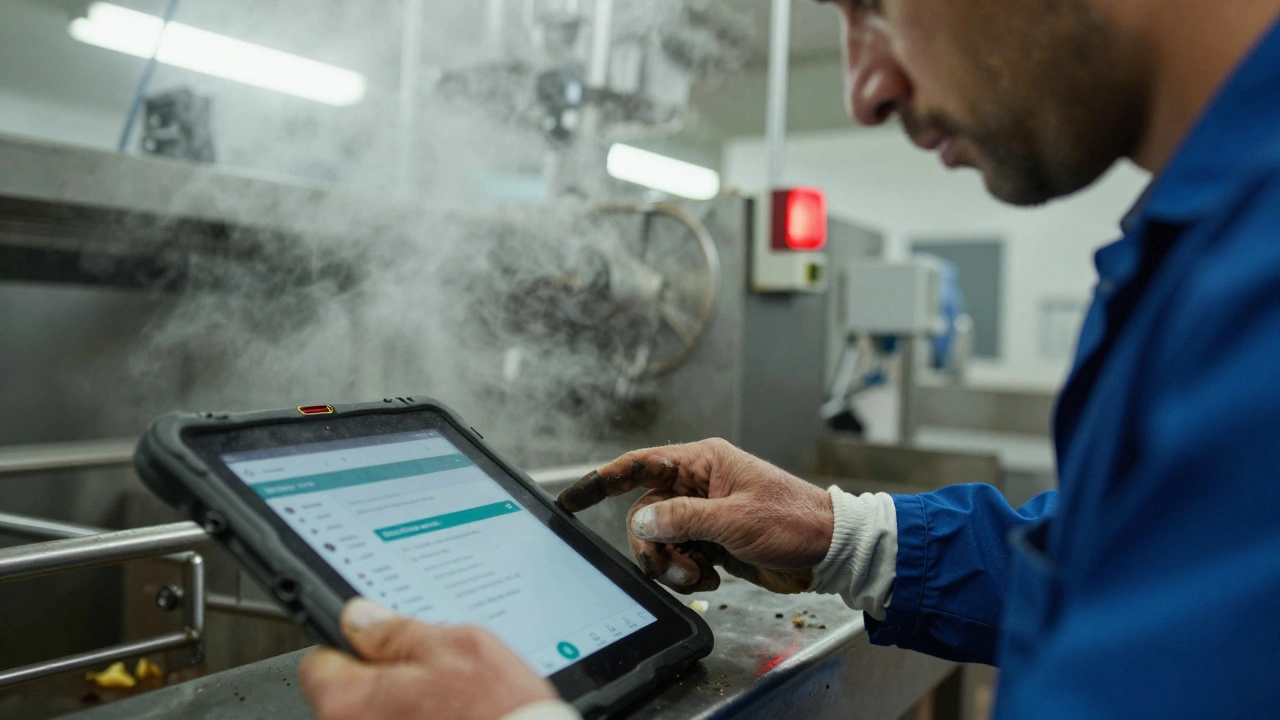
Why Companies Are Failing Their Workers
Here’s the irony: frontline workers generate $6.5 trillion in wages in the U.S. every year. They’re the reason your groceries arrive, your house gets built, and your meals get packaged. Yet companies spend only $400 per worker annually on training, development, and career growth. For white-collar employees? Over $1,500. That gap isn’t accidental. Many managers still treat frontline roles as temporary, replaceable, or low-skill. But the data says otherwise. A Harvard Business Review study found that when frontline workers received proper training, their goal achievement rose by 10%. Managers met 3% more of their own strategic goals. That’s not a soft benefit-it’s a measurable boost in productivity. And it’s not just about money. Workers want control. They want to know when they’ll work. They want to swap shifts without calling HR. They want to see their pay in real time. A construction technician on Indeed said, “The UKG system our company implemented last year lets us swap shifts through our phones. It cut my scheduling stress by 70%.” That’s the kind of change that sticks.What’s Working: Real Solutions
Some companies are finally catching on. UKG, a leader in frontline workforce tech, now supports over 80,000 companies. Their Project Alto system uses voice commands to let workers schedule, swap, and request time off-no computer needed. It works on basic smartphones, even in noisy food plants or dusty construction zones. It integrates with payroll, time clocks, and HR systems through 250+ API connections. Beyond scheduling, companies are partnering with financial services like Chime and TurboTax to help workers manage cash flow. Instead of waiting two weeks for a paycheck, some now get paid daily. Others get access to small, no-interest loans for emergencies. These aren’t perks-they’re survival tools for people living paycheck to paycheck. In construction, firms are installing rugged tablets on job sites that work in rain, dust, and freezing temps. Food plants are upgrading to NSF-certified touchscreens that can be wiped down after every shift. These aren’t flashy tech upgrades-they’re basic necessities for people working in tough conditions.
The Bigger Picture
This isn’t just about hiring more people. It’s about rethinking what work means. For decades, we treated frontline roles as entry points, not careers. But the data shows these jobs are the backbone of the economy. They’re not going away. And they’re not getting easier. The U.S. Department of Labor predicts 4.2 million new frontline jobs by 2030. That’s not a crisis. It’s an opportunity. Companies that invest in training, schedule fairness, safety, and financial stability will keep workers. Those that don’t will keep chasing replacements-and losing money every time someone quits. The workers aren’t the problem. The systems are. Fix the scheduling. Pay on time. Give people a path forward. Offer real safety training. Stop treating them like disposable parts. That’s not just good ethics. It’s good business.What Comes Next
The next five years will decide whether frontline work becomes a dead-end or a doorway. AI won’t replace these jobs-but it can make them better. Predictive scheduling tools, already in use, can reduce no-shows by 22% and increase overtime efficiency by 31% by learning when workers are actually available. But only if workers are included in designing those tools. The future belongs to companies that treat frontline workers as partners, not costs. That means listening to them. Giving them tools. Respecting their time. Paying them fairly. And recognizing that the person unloading your groceries, laying your foundation, or packing your chicken nuggets isn’t just doing a job-they’re keeping the whole system running.Why are delivery, construction, and food processing jobs growing so fast?
These jobs are growing because they require physical presence, real-time decision-making, and human adaptability-things automation can’t fully replace. Consumer demand for fast delivery, infrastructure rebuilding, and consistent food supply has surged. The U.S. Bureau of Labor Statistics projects 10% growth for delivery drivers, 8% for construction technicians, and 6% for food processing roles through 2030.
Are these jobs safe?
Safety remains a major concern. Food processing has the highest injury rate of any major industry-5.1 injuries per 100 full-time workers. Construction isn’t far behind at 3.2 injuries per 100. Many of these injuries are preventable with better training, equipment, and workplace culture. Companies that invest in safety programs see lower turnover and fewer workers’ compensation claims.
Why is turnover so high in these industries?
High turnover stems from poor scheduling, low pay, lack of advancement, and burnout. Quick-service restaurants see 87% annual turnover. Retail is at 81%. Logistics is at 73%. Workers leave because they can’t predict their hours, struggle to pay bills, or feel invisible to management. When companies offer flexible scheduling, real-time pay, and clear paths to promotion, turnover drops significantly.
What can employers do to keep frontline workers?
Employers should focus on three things: predictable schedules, fair pay, and career growth. Tools like UKG’s Project Alto let workers swap shifts via phone. Partnerships with Chime or OnePay enable daily pay. Training programs that lead to promotions-like becoming a crew lead or safety officer-boost retention. Companies that spend more than $400 per worker on development see 10% higher productivity and 30% lower turnover.
Do AI and automation threaten these jobs?
Not in the way most people think. AI can help with scheduling, inventory tracking, or safety alerts-but it can’t replace the human judgment needed to handle a broken delivery, adjust a construction beam, or spot spoiled meat. In fact, companies that train frontline workers to use AI tools see 19% higher productivity than those that just install the tech. The goal isn’t to replace workers-it’s to empower them.
How big is the frontline workforce in the U.S.?
Frontline workers make up 70% of the U.S. labor force-about 115 million people. They generate $6.5 trillion in annual wages. This group includes delivery drivers, construction crews, food processors, nurses, retail staff, and warehouse workers. They’re the largest workforce segment in the country, yet they receive less than one-third the investment in training and development as white-collar employees.