Higher Education Enrollment Impact Calculator
Enrollment Impact Calculator
Enrollment Impact Results
College enrollment in the U.S. is no longer climbing. It’s shifting. And for many universities, that shift is turning into a crisis.
In fall 2025, total postsecondary enrollment rose slightly to 19.4 million students. But that number hides a deeper truth: domestic undergraduate enrollment has been falling for over a decade. Since its peak of 21 million in 2010, the number of U.S. students entering college has dropped by 8.4%. That’s over 1.7 million fewer students. And the next 15 years will bring another 15% decline in the traditional college-age population. Schools that still think they can wait out this trend won’t survive.
Who’s Still Enrolling-and Who’s Losing Students
The enrollment picture isn’t uniform. Some institutions are growing. Others are bleeding students.
Community colleges are the surprise winners. Enrollment jumped 3-4% in fall 2025, fueled by a surge in short-term certificate programs. Over 752,000 students are now enrolled in these programs-a 28.3% increase since 2021. Why? Because they’re affordable, fast, and tied to real jobs. Northern Virginia Community College saw a 22% rise in industry-recognized credentials in just four years. Students aren’t waiting four years for a bachelor’s degree. They want a credential they can use next month.
Public four-year universities are holding steady, with enrollment up 1.4%. They’re doing it by expanding online programs, offering credit for work experience, and targeting adult learners. Arizona State University, for example, grew its adult student population by 37% between 2022 and 2025 by redesigning schedules, accepting prior learning credits, and cutting red tape.
Meanwhile, private nonprofit colleges are losing ground. Enrollment dropped 1.6%. Master’s programs fell 0.6%. These schools used to rely on high tuition and international students to fill the gap. But international enrollment is cooling off. Undergraduate international students rose just 3.2% in 2025-down from 8.4% the year before. Graduate international enrollment plunged 5.9%. And 57% of U.S. colleges reported fewer international applicants overall.
The Real Demographic Shift: More Adults, Fewer Teens
The biggest change isn’t just fewer 18-year-olds. It’s who’s showing up on campus.
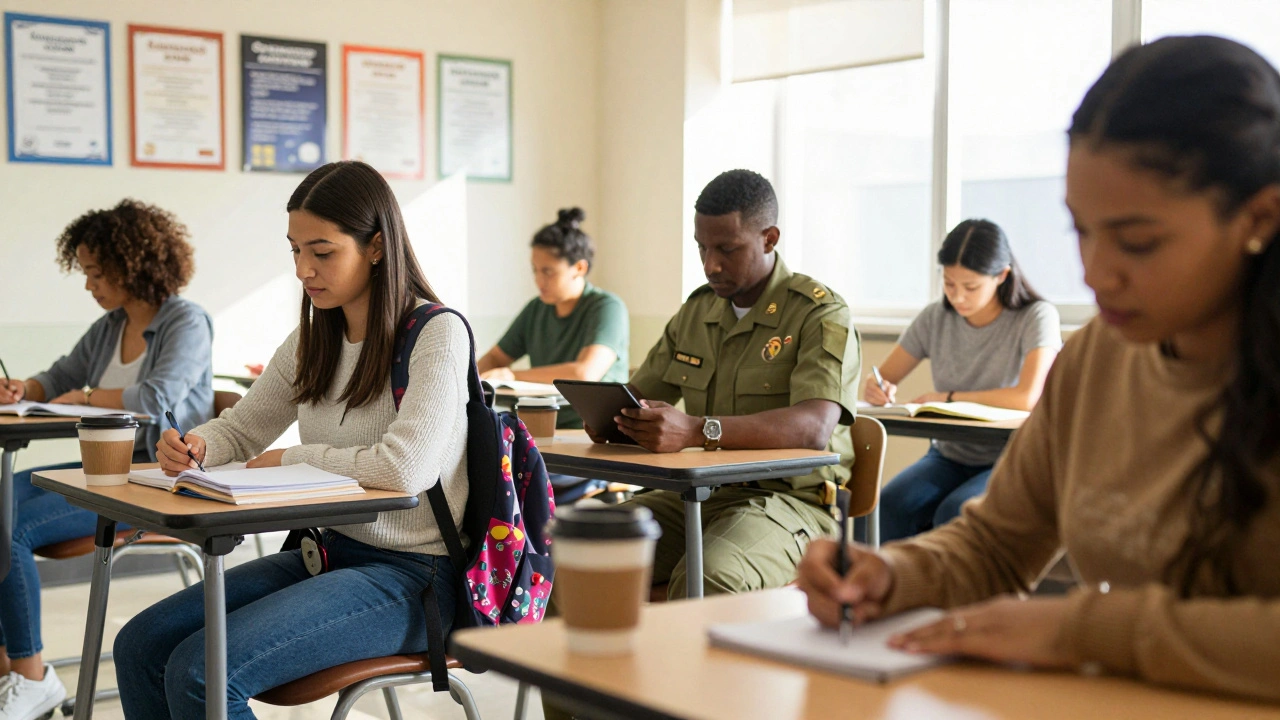
Students aged 25 and older are now growing faster than any other group. Enrollment for those 25-29 jumped 3.3%. For those 30+, it rose 2.7%. These aren’t traditional students. They’re working parents, veterans, people switching careers. They need flexible schedules, online classes, and financial aid that actually covers rent and childcare-not just tuition.
At the same time, White undergraduate enrollment fell 3.7%. Hispanic, Black, and Multiracial students are driving growth. That means institutions that still operate with outdated recruitment models-focused on suburban high schools and standardized test scores-are missing the market.
And cost matters more than ever. A December 2025 survey found 55% of students say mental health is a major barrier to staying in school. 57% say cost of living is a bigger problem than tuition. Schools that ignore housing, food insecurity, and counseling services are losing students before they even start.
Why International Students Can’t Save You Anymore
For years, international students were the lifeline for struggling private colleges. They paid full tuition. They filled dorms. They subsidized financial aid for domestic students.
But that’s over. International students make up just 5.2% of total enrollment. And even that small group is shrinking. NAFSA reports a 6% drop in new international undergraduates and a 19% drop in new international master’s students. Visa delays, political hostility, and rising costs abroad are pushing students to Canada, Australia, and even Germany.
U.S. institutions that counted on international revenue are now scrambling. Some are cutting programs. Others are trying to recruit from Asia and the Middle East, where policies are more welcoming. But it’s not enough. You can’t replace 1,000 domestic students with 200 international ones. The math doesn’t work.
What’s Working: The Real Adaptation Strategies
Some schools are adapting. And they’re not just tweaking-they’re rebuilding.
Tuition resets are one of the most effective moves. Purdue University Global lowered its published tuition by 12% and increased financial aid. Result? Enrollment jumped 10%. It sounds counterintuitive-charge less to make more. But it works because it removes the sticker shock that keeps adults from enrolling.
Prior learning assessment is another game-changer. If you’ve worked as a nurse for five years, you shouldn’t have to take Intro to Biology again. 38% of public institutions now offer credit for job experience, certifications, or military training. That cuts time to degree and lowers cost.
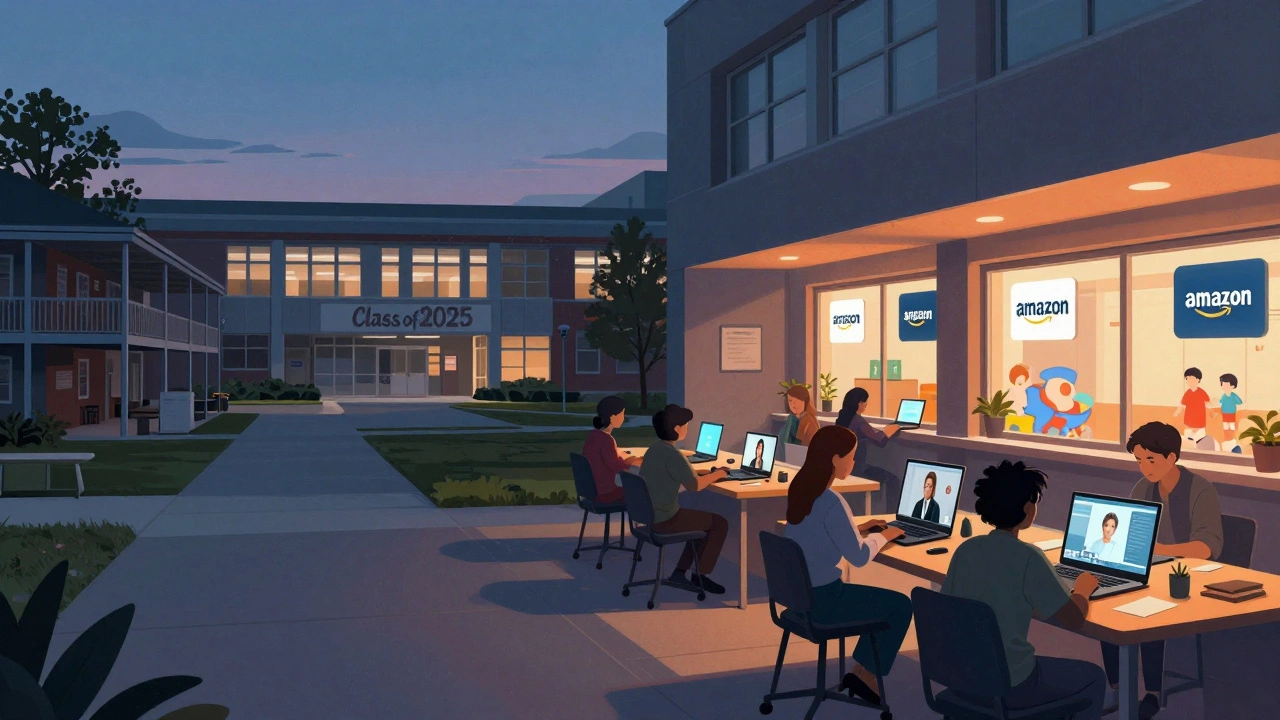
Employer partnerships are growing fast. Companies like Amazon, Walmart, and Kaiser Permanente now pay for employee tuition. Schools that align programs with local industry needs-like HVAC certification for a manufacturing town or cybersecurity for a defense contractor-see 22% annual growth in enrollment from these partnerships.
Regional collaborations are helping small colleges survive. In New England, five small private schools now share admissions staff, marketing resources, and online course platforms. Their combined enrollment rose 8% in 2025. No one school could have done it alone.
The Future Isn’t About More Students. It’s About Different Students.
The old model-build more dorms, raise tuition, recruit high school seniors-is dead. The future belongs to schools that see students as adults with lives, jobs, and responsibilities.
That means:
- Offering 8-week certificate programs alongside four-year degrees
- Accepting prior learning credits without paperwork nightmares
- Partnering with employers to co-design programs
- Providing childcare, food pantries, and mental health support
- Marketing to working adults, not just 17-year-olds
It also means accepting that not every college can be a research powerhouse. Some will become workforce accelerators. Others will become community hubs. That’s not failure. It’s evolution.
The institutions that thrive in the next decade won’t be the ones with the biggest endowments. They’ll be the ones that listened. The ones that adapted. The ones that stopped trying to be Harvard and started being what their community actually needed.
What Happens If You Don’t Change?
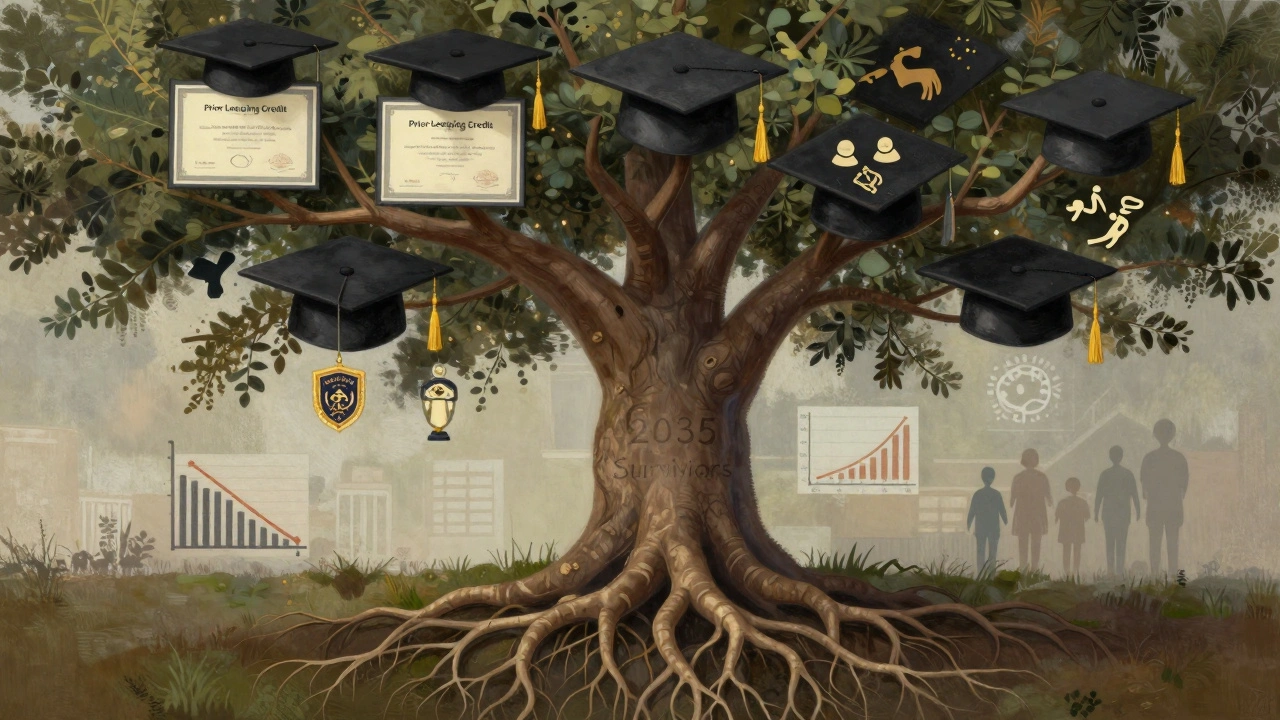
Between July 2024 and January 2026, 28 colleges closed or merged. Most were small, private, and dependent on domestic enrollment. The American Council on Education warns that 25-30% of private nonprofit colleges could disappear by 2035 if nothing changes.
It’s not just about money. It’s about relevance. If your school still thinks its future depends on high school seniors filling out applications in March, you’re already behind.
The students are there. They’re just not in the places you’re looking. They’re working nights. Raising kids. Paying off debt. They need education that fits their lives-not the other way around.
Why are community colleges growing while private colleges are shrinking?
Community colleges are growing because they offer affordable, flexible, job-focused programs that adult learners need-like short-term certificates in healthcare, IT, and skilled trades. They’ve adapted to serve non-traditional students with evening classes, online options, and credit for work experience. Private colleges, by contrast, often rely on high tuition and traditional 18-22-year-old students, a demographic that’s shrinking. Many haven’t changed their programs, pricing, or marketing to meet the needs of working adults or diverse populations.
Are international students still a good solution for U.S. colleges?
No-not as a primary strategy. International enrollment is no longer growing fast enough to offset domestic declines. Undergraduate international enrollment rose just 3.2% in 2025, down from 8.4% the year before. Graduate international enrollment fell 5.9%. Visa delays, political uncertainty, and rising costs abroad are pushing students to other countries. Relying on international students is risky. The real opportunity is in serving domestic adult learners, who make up the fastest-growing segment.
What’s the biggest barrier to enrollment for today’s students?
It’s not tuition alone. A December 2025 survey found 57% of students say cost of living is a major problem-rent, food, transportation, childcare. Mental health is the second biggest barrier, cited by 55%. Many students drop out not because they can’t afford class, but because they can’t afford to live. Colleges that offer housing assistance, food pantries, free counseling, and flexible scheduling are seeing better retention.
How can a small college survive with fewer students?
Small colleges can survive by partnering with others. Regional consortia-where schools share staff, online courses, and recruitment efforts-have boosted enrollment by 7-9% in pilot programs. They can also focus on niche programs tied to local industries, like agriculture tech in rural areas or tourism management near national parks. Cutting overhead, offering tuition resets, and accepting prior learning credits can also stretch limited resources further.
Is the bachelor’s degree still worth it?
For some, yes. But for many, shorter credentials are now more valuable. Undergraduate certificate programs grew 1.9% in 2025, while bachelor’s degrees grew just 0.9%. Employers are increasingly hiring based on skills, not degrees. A 6-month cybersecurity certificate from a community college can lead to a job faster and cheaper than a four-year degree. Colleges that treat certificates as pathways-not alternatives-are better positioned for the future.
What Comes Next?
The next five years will decide which colleges survive and which vanish. The ones that win will be the ones that stop chasing the past.
They’ll stop worrying about rankings and start worrying about outcomes. They’ll stop recruiting high school seniors and start recruiting single parents, veterans, and mid-career workers. They’ll stop pretending tuition is the only cost and start covering rent, food, and therapy.
This isn’t about saving higher education as it was. It’s about rebuilding it as it needs to be.