Housing Supply Gap Calculator
Estimate the housing supply gap based on current demographic trends. The U.S. needs 4.5 million new homes annually to meet demand, but we're only building 1.4 million.
Supply Gap Analysis
Based on article data: U.S. needs 4.5M new homes/year, building 1.4M
More Americans Are Living With Their Parents - And It’s Not Just Because of Money
In 2026, nearly 12% of U.S. adults under 35 are living with their parents. That’s not a spike from pandemic lockdowns. It’s a permanent shift. Redfin’s latest data shows that 6% moved back home because they couldn’t afford rent or a mortgage, and another 6% chose it because they wanted to help aging parents or save for a future home. This isn’t a phase. It’s a new normal. And it’s changing how houses are built, bought, and lived in.
Boomers Are Selling - But Not to Young Buyers
The median age of a homebuyer in 2026 is 59. That’s not a typo. Baby boomers, who own nearly 60% of U.S. housing wealth, are finally moving - but not out of the market. They’re trading up, down, or sideways, often cashing in on decades of equity to buy smaller homes near grandchildren, warmer climates, or walkable neighborhoods. Their purchases are mostly all-cash. In coastal cities and major metros, one in three home sales are made without a mortgage. That means young buyers aren’t just competing with other first-timers. They’re competing with retirees who paid off their homes 20 years ago.
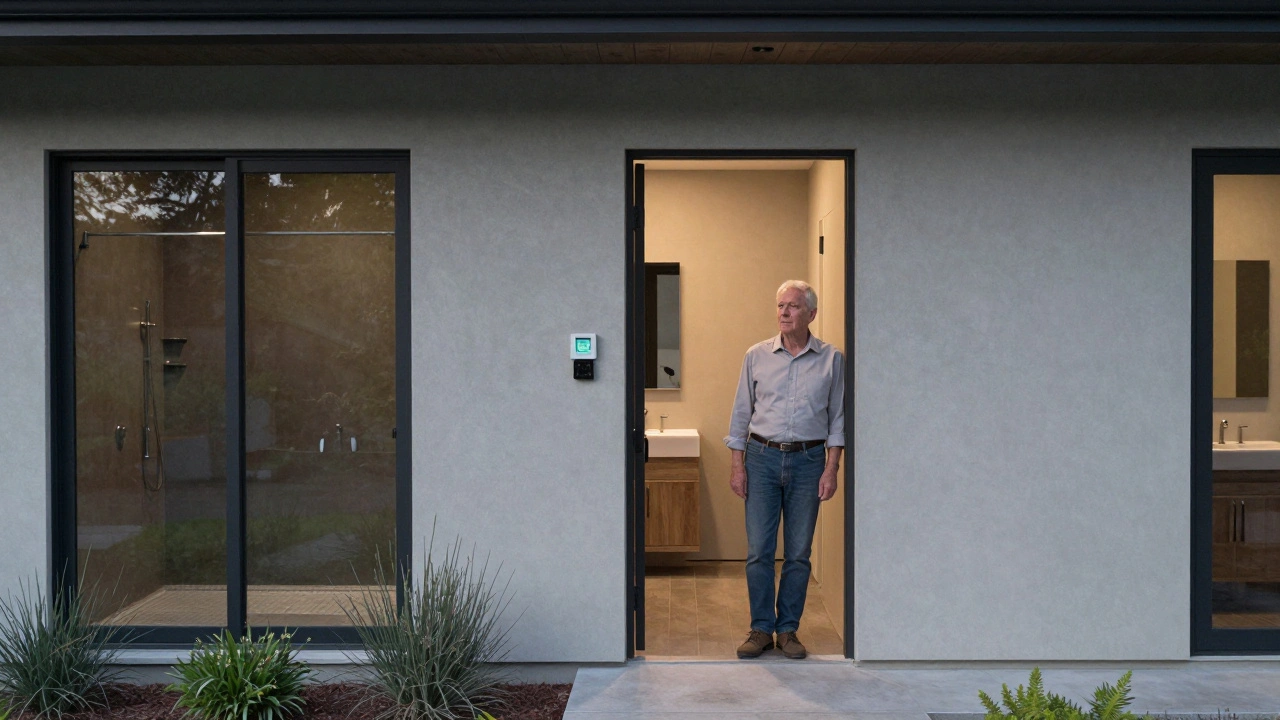
And it’s not just about money. Boomers aren’t compromising. As Jessica Lautz of NAR put it, they “have the funds to really make those choices.” So they’re buying homes with single-level layouts, wider doorways, smart thermostats, and walk-in showers. They’re not looking for three-car garages. They’re looking for safety, convenience, and community. That’s leaving behind the big suburban houses that used to be the American dream.
The House That Used to Fit a Family of Four Now Fits One
Household size is shrinking. In 1970, the average American household had 3.1 people. Today, it’s 2.5. And it’s dropping faster among younger buyers. Only 25% of homebuyers in 2026 have children living with them. That’s down from nearly 60% in the 1990s. Why? For starters, people are waiting longer to have kids - if they have them at all. The U.S. fertility rate has been falling for over a decade, and housing costs are making it worse. Redfin found that young couples are choosing smaller families because they can’t afford to raise kids in the neighborhoods they want.
That’s why the housing market is flooded with oversized homes that no one wants to buy. Builders still churn out 2,500-square-foot houses with formal dining rooms and finished basements. But the people who need housing now - single professionals, childless couples, seniors - want something smaller. And they want it close to work, transit, or family. The mismatch is creating a ghost town of empty rooms and underused space.
Multi-Generational Homes Are the New Normal
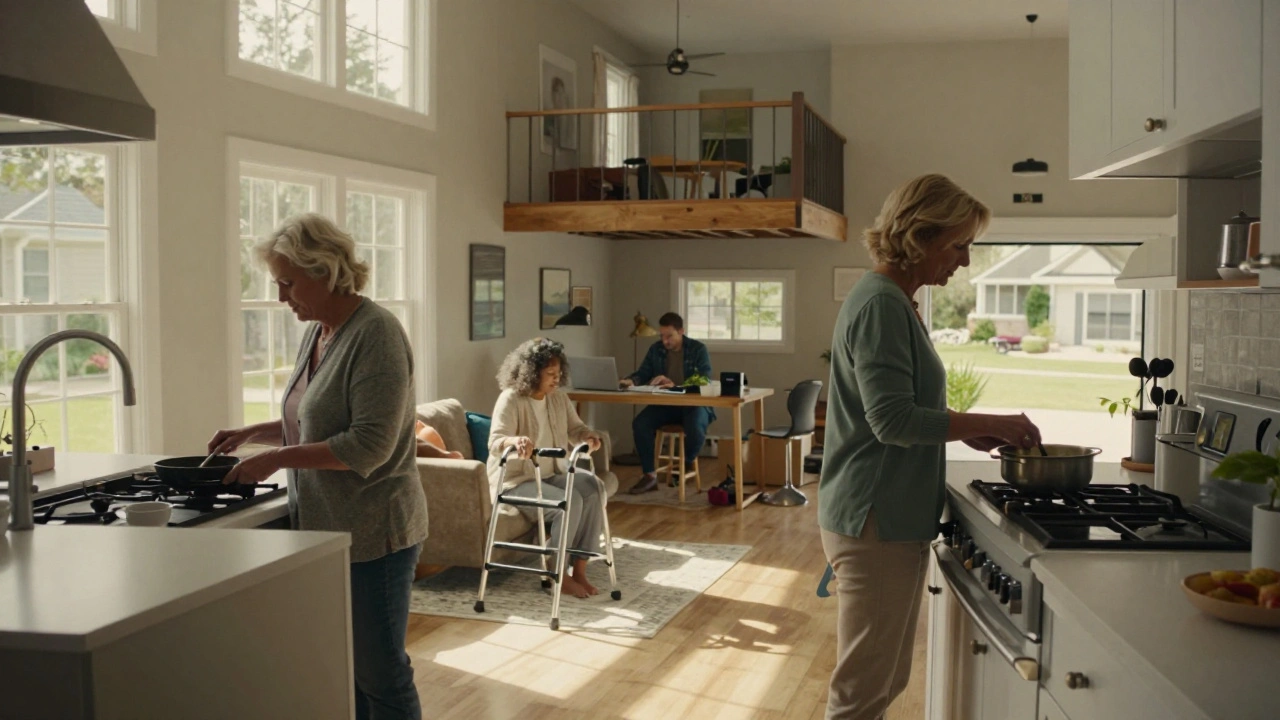
Instead of tearing down the big house, families are turning it into a shared home. Garages are becoming in-law suites. Basements are getting kitchens and separate entrances. Attics are turning into teen apartments. Thumbtack’s 2025 survey of home renovation pros found that “multi-generational living features” were the most requested upgrade - ahead of smart home tech, outdoor kitchens, and home gyms.
In Los Angeles, a 35-year-old nurse moved her elderly mother into a converted garage behind her house. In Nashville, a couple bought a 1980s split-level and added a second kitchen so their adult son could live there while saving for a down payment. In Albuquerque, a retired teacher bought a four-bedroom ranch and rented out one wing to her daughter’s family. These aren’t exceptions. They’re becoming the blueprint.
Builders are catching on. New developments in Arizona, Georgia, and Texas now offer “flex-living” floor plans - two master suites, dual laundry rooms, and shared common areas. These homes sell faster and hold value better. They’re not just practical. They’re profitable.
Supply Isn’t Just Low - It’s Misaligned
The U.S. needs about 4.5 million new homes a year to keep up with population growth and household formation. In 2026, we’re building just over 1.4 million single-family homes. That’s not a shortage. It’s a collapse. And it’s not because of labor or materials. It’s because of zoning.
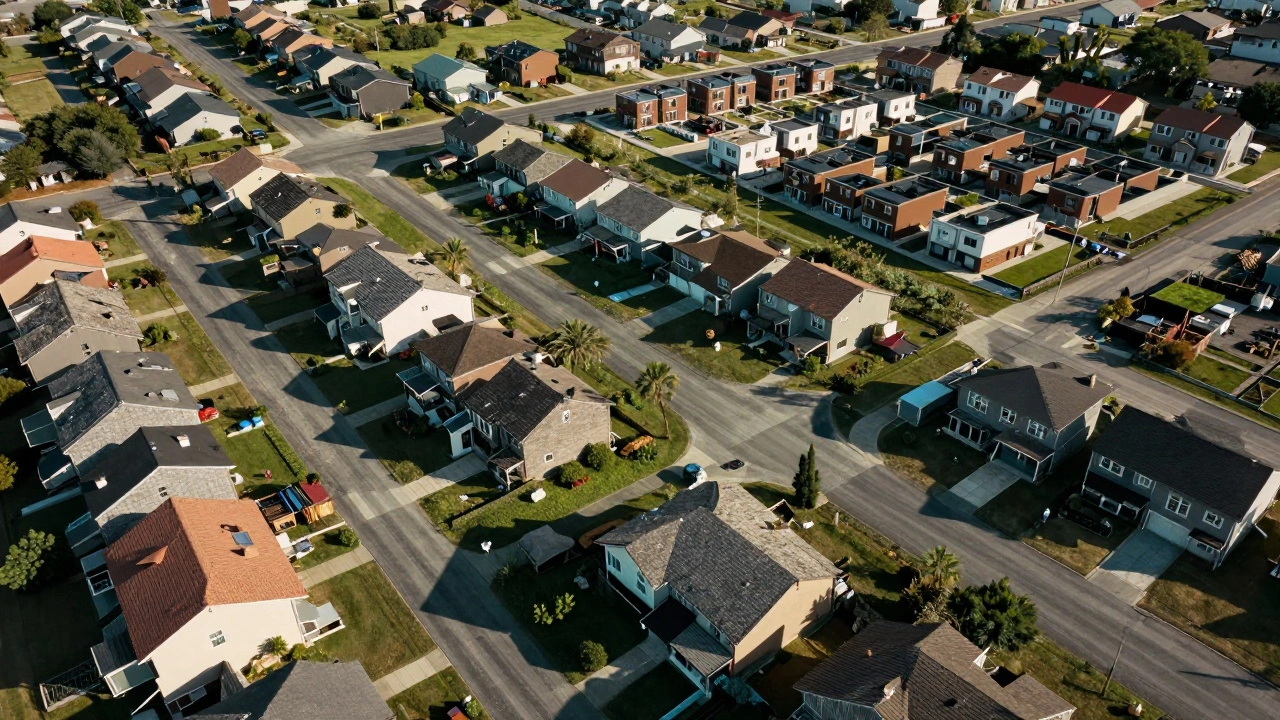
Most cities still ban anything denser than single-family homes on 80% of residential land. Townhomes, duplexes, fourplexes - even cottage clusters - are illegal in neighborhoods that used to be full of them. A leading housing economist summed it up: “Zoning laws are the biggest barrier to affordability. We’re stuck in 1955.”
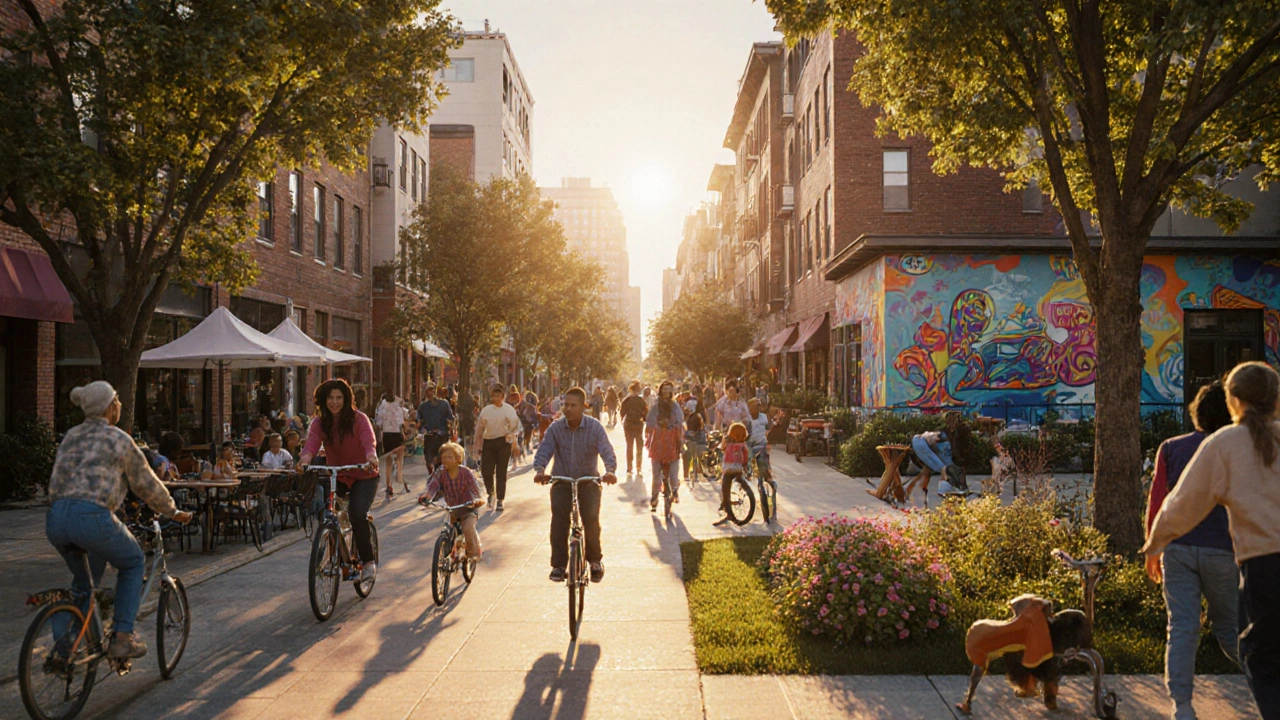
Meanwhile, multifamily housing is growing - but mostly luxury apartments in downtown cores. What’s missing? Mid-density housing: the kind that fits between a single-family house and a high-rise. That’s what families, young professionals, and seniors need. But local governments keep rejecting it. The result? A housing stock that doesn’t match the people who live here.
Climate Is Rewriting the Map
People aren’t just moving for jobs or schools anymore. They’re moving to survive. Insurance premiums in wildfire zones like Altadena, California, have tripled since 2020. In Florida, flood insurance now costs more than property taxes in some coastal towns. As a result, buyers are fleeing high-risk areas - but only if they can afford to.
Those who can are relocating to flat, coastal neighborhoods like Santa Monica or Long Beach, where the risk is lower and the commute is still doable. Those who can’t? They’re stuck. And their neighborhoods are crumbling. Property values drop. Tax revenue falls. Fire departments get underfunded. It’s a feedback loop of neglect.
This isn’t just a weather problem. It’s a housing justice issue. Climate migration is deepening inequality. The people who can leave are doing it. The people who can’t are left behind with fewer resources to adapt.
What’s Next? The Market Is Resetting
Redfin calls this era “The Great Housing Reset.” It’s not a bubble bursting. It’s a slow, structural realignment. Prices aren’t crashing - they’re stalling. J.P. Morgan predicts 0% growth in home values for 2026. Why? Because demand is weakening among young buyers, while supply remains too low and too wrong.
Mortgage rates are easing toward 6%, which NAR says could bring 1.6 million new renters into the market. But that’s still not enough. The real fix isn’t lower rates. It’s more housing - the right kind of housing. That means allowing duplexes in suburbs. Permitting ADUs (accessory dwelling units) without red tape. Building for older adults, young families, and multi-generational households - not just the nuclear family of the 1960s.
The American dream isn’t dead. It’s just changing. It’s no longer about owning a big house on a quiet street. It’s about living close to family, staying in your community, and having a home that fits your life - not the other way around.