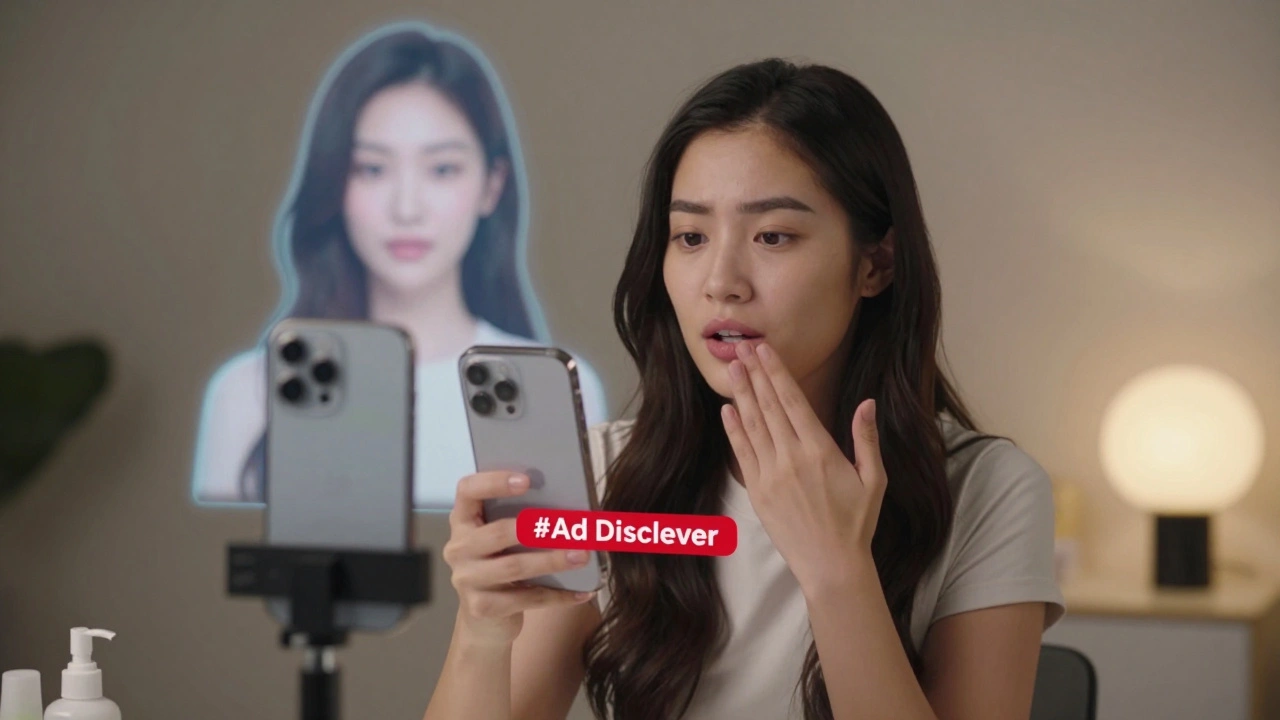
When you see a post from someone you follow-someone who feels like a friend, a trusted voice, or even an expert-do you assume they chose that product because they genuinely love it? Or could they be paid to say it? The line between honest recommendation and paid promotion has blurred so much that regulators now treat it as a public trust issue. In 2026, influencer accountability isn’t optional. It’s the law.
What Counts as a Material Connection?
The Federal Trade Commission (FTC) doesn’t care if you got $10,000 or a free pair of sneakers. If you received anything of value in exchange for promoting something, you must tell people. That includes cash, gift cards, free trips, discount codes, affiliate commissions, even free meals at a restaurant you’re reviewing. The FTC’s 2026 update made this crystal clear: any material connection must be disclosed. No exceptions. Not for nano-influencers with 2,000 followers. Not for celebrities with 10 million. If someone might think you’re being honest when you’re actually being paid, you have to say so.
This isn’t just about honesty. It’s about consumer protection. People make buying decisions based on what they see online. When influencers hide paid relationships, they distort those decisions. The FTC doesn’t punish creators for making money. It punishes them for lying by omission.
How to Disclose Properly
It’s not enough to slap on a hashtag. The FTC says disclosures must be clear, conspicuous, and unavoidable. That means:
- On Instagram: The disclosure must be in the first line of the caption-not buried under 20 lines of emojis. #sponsored or #ad works. #partner or #collab? Not clear enough.
- On TikTok: You must use the platform’s branded content toggle. If you don’t, TikTok’s system will flag your post automatically. For TikTok Shop, you also need to say you earn a commission.
- For videos: Say it out loud AND put it on-screen. Don’t rely on the description. Half your viewers won’t scroll down.
- For livestreams: Say it multiple times. Someone might join halfway through. Don’t assume they heard you at the start.
The FTC explicitly bans hiding disclosures behind "more" buttons or in comment sections. If someone has to click, scroll, or guess, you failed.
AI Influencers and Synthetic Media
Virtual influencers aren’t real people-but their endorsements still affect real people. In 2026, the FTC ruled that AI-generated content must disclose two things: that it’s sponsored and that it’s not human. A digital avatar promoting a skincare line? Must say: "Paid partnership with Brand X" and "This content is AI-generated." No loopholes. No "it’s just a character" excuses. If an AI avatar looks like a real person and speaks like one, audiences deserve to know it’s synthetic-and paid for.
This rule closes a dangerous gap. Deepfakes and synthetic voices are getting harder to detect. Without clear disclosure, consumers can’t tell the difference between a real person’s opinion and a brand’s scripted AI performance.
Brands Can’t Hide Behind Creators
For years, brands pointed fingers at influencers when disclosures went missing. Now, the FTC holds brands equally responsible. If you’re a company working with creators, you’re legally required to:
- Train them on disclosure rules
- Review content before it goes live
- Monitor posts after publication
- Remove non-compliant content immediately
A 2023 FTC settlement fined a major beauty brand $1.4 million-not because influencers lied, but because the brand didn’t check what they were posting. Silence isn’t innocence anymore. It’s negligence.
Brands now need contracts that spell out disclosure requirements. They need approval workflows. They need audits. And they need to keep records for at least three years. If the FTC comes knocking, you’ll need proof you tried to do the right thing.
Political Content Gets No Pass
What about political endorsements? If an influencer gets paid to promote a candidate, a policy, or a political cause, it’s still a material connection. The FTC doesn’t have a separate rule for politics-but the same logic applies. If you’re paid to say something political, you must say you’re paid. The Federal Election Commission (FEC) may also step in if the content meets certain thresholds of influence or spending, but the baseline rule remains: transparency is non-negotiable.
There’s no gray area. A creator saying "I love Candidate Y" while wearing their branded hoodie? If they got a free trip to a campaign rally, they must disclose it. No one gets a free pass because it’s politics.
Why Compliance Isn’t a Burden
Many influencers and brands still worry that disclosure will kill engagement. But research from the Advertising Standards Authority and IMTB in 2026 shows the opposite. When audiences know something is sponsored, they trust it more. Engagement doesn’t drop-it often rises. People respect honesty. They’re tired of being manipulated.
Transparency isn’t about reducing sales. It’s about building lasting relationships. A brand that consistently discloses partnerships earns loyalty. A creator who’s upfront becomes a trusted voice-not just a sales channel.
What Happens If You Don’t Comply?
The FTC isn’t just warning people anymore. In 2024 and 2025, they sent formal notices to creators earning $50,000 or more from undisclosed partnerships. That’s not just mega-influencers. That’s mid-tier creators with steady incomes. Enforcement is no longer selective. It’s systematic.
Platforms are helping. TikTok now auto-detects undisclosed branded content. Instagram flags posts that don’t use the branded content tool. YouTube’s algorithm can identify hidden affiliate links. Non-compliance isn’t just risky-it’s easy to catch.
Penalties can include fines, mandatory compliance training, public enforcement notices, and even bans from working with certain brands. For influencers, it can mean losing trust overnight. For brands, it can mean legal liability and reputational damage that lasts years.
Best Practices for Creators and Brands
Here’s how to stay compliant-and stay ahead:
- For creators: Save every contract, email, and payment record. Disclose every single time. Never skip one because "it’s just a small post." Use #ad or #sponsored. Say it out loud in videos. Use platform tools. Don’t rely on vague hashtags.
- For brands: Build disclosure into your influencer briefs. Require pre-approval of all posts. Audit campaigns after they end. Train your marketing team. Know the rules in every country you operate in.
- For everyone: When in doubt, disclose. It’s better to over-disclose than under-disclose. The FTC doesn’t reward creativity in hiding things-it punishes it.
There’s no such thing as a "one-time exception." Compliance isn’t a checklist you complete once. It’s a habit. And in 2026, it’s the only way to survive.
What’s Next?
The trend is clear: more rules, more tools, more enforcement. As AI, new platforms, and virtual identities evolve, regulators will keep up. The days of "just post it and hope no one notices" are over. The future belongs to those who embrace transparency-not avoid it.
People don’t want to be fooled. They want to be informed. And in 2026, the law agrees.
Do I have to disclose if I just got a free product?
Yes. The FTC treats gifted products the same as cash payments. If you received anything of value in exchange for a post, you must disclose it. "Free sample" or "sent to me" isn’t enough. Use #ad or #sponsored.
Can I use #partner instead of #ad?
The FTC says no. #partner, #collab, or #thanks aren’t clear enough. Audiences don’t automatically understand those mean "paid." Use #ad or #sponsored. They’re the only terms the FTC explicitly accepts as clear.
What if I’m posting about a political candidate I support?
If you’re paid or given something valuable-like a trip, free merchandise, or cash-to promote a candidate or political issue, you must disclose it. Even if you believe in the cause, if you received compensation, it’s a material connection. The FTC requires disclosure regardless of intent.
Do I need to disclose affiliate links?
Yes. If you earn a commission when someone buys through your link, that’s a material connection. You must disclose it clearly and upfront. "I earn a commission" is acceptable, but only if it’s visible without clicking.
Can a brand be held responsible if an influencer doesn’t disclose?
Yes. The FTC holds brands accountable if they fail to educate, review, or monitor influencer content. Ignorance isn’t a defense. Brands must have systems in place to ensure compliance-or face penalties.