Iran Nuclear Enrichment Calculator
Input Parameters
How This Calculator Works
Based on IAEA data from the article: Iran currently has 128kg of uranium enriched to 60%. Weapons-grade uranium is 90% enriched.
The calculator estimates how close Iran is to building a nuclear weapon based on the following assumptions:
- One nuclear weapon requires approximately 25kg of weapons-grade uranium (90% enriched)
- Iran would need to further enrich its existing stockpile to 90%
- Time to reach weapons-grade depends on centrifuge capacity and efficiency
Results
Current enrichment: 60%
Uranium stockpile: 128 kg
Time to further enrich: 14 days
enrichment after
The world is watching Iran’s nuclear program like never before. After U.S. and Israeli strikes in June 2025 damaged key nuclear sites, the International Atomic Energy Agency (IAEA) can’t verify what’s left. Iran says it’s still following the rules. The IAEA says it can’t prove that. And right now, the gap between those two claims is the biggest threat to global nuclear security.
What’s Left of Iran’s Nuclear Program?
Before the strikes, Iran had stockpiled about 128 kilograms of uranium enriched to 60% purity. That’s not weapons-grade - that’s 90%. But it’s close. So close that experts say if Iran decided to push further, it could build a bomb in weeks. The two main enrichment sites - Natanz and Fordow - were heavily damaged. A third, newer facility at Isfahan, remains a mystery. No one knows if it’s still operating. The IAEA hasn’t seen any enrichment activity since the strikes, but they’ve also seen movement near the ruins. That’s not proof of anything. But it’s enough to make inspectors nervous. Iran’s nuclear chief asked a blunt question: "If the sites are destroyed, what are you here to inspect?" It’s a fair question. If the machines are gone, why demand access? But the real issue isn’t the buildings. It’s the material. Where did the enriched uranium go? Was it moved? Hidden? Diverted? Without access to the bombed sites, the IAEA can’t answer that. And without answers, the whole nonproliferation system starts to crack.Why the IAEA Is Losing Ground
The IAEA’s job is simple: monitor nuclear material and make sure it’s not being turned into bombs. They’ve done this for decades - in North Korea, in Iraq, in Syria. But now, they’re stuck. Iran has refused to let inspectors into the three damaged sites. Twelve visits have happened since June 2025. None reached the strike zones. The agency’s director, Rafael Mariano Grossi, called the situation "unsustainable" in January 2026. He warned that if access isn’t granted soon, the IAEA will have no choice but to declare Iran in noncompliance. That declaration matters. It’s not just a slap on the wrist. It triggers a mandatory report to the UN Security Council. And that could mean new sanctions, more isolation, or even more military action. Iran knows this. That’s why they’re holding out. They’re not saying "no" to inspections. They’re saying "not until we get something in return." And what they want is simple: guarantees that the U.S. and Israel won’t bomb them again.The Three Paths Forward
There are three ways this could play out. Each has its own risks. The first is the European-led revival of the JCPOA - the 2015 nuclear deal. Germany, France, and the UK, backed by the U.S., want to bring back the old framework but with tighter rules. They’re asking for continuous surveillance, remote cameras, short-notice inspections, and access to military sites if there’s any suspicion. Sounds tough. But it’s the same deal that collapsed in 2018 when Trump pulled out. Iran remembers that. They don’t trust promises that can be undone by a tweet. The second path is the maximalist U.S. stance. This version demands the complete removal of all 60% enriched uranium. It wants Iran to give up its long-range missile stockpile - over 3,000 missiles with ranges up to 2,000 kilometers. It wants Iran to stop backing militias in Syria, Lebanon, Yemen, and elsewhere. And it wants Iran to stop enriching uranium entirely. No exceptions. This isn’t diplomacy. It’s surrender. And Iran won’t accept it. The third path is the quiet middle ground. The Arms Control Association proposed a deal that could actually work. Let inspectors back in. Immediately. In exchange, the U.S. publicly commits to not launching any more strikes on Iranian nuclear sites. No more targeting scientists. No more backing Israeli raids. And Iran agrees to freeze all enrichment activity - not because they’re giving up, but because most of their equipment is gone anyway. This isn’t perfect. But it’s the only option that doesn’t demand total victory from either side.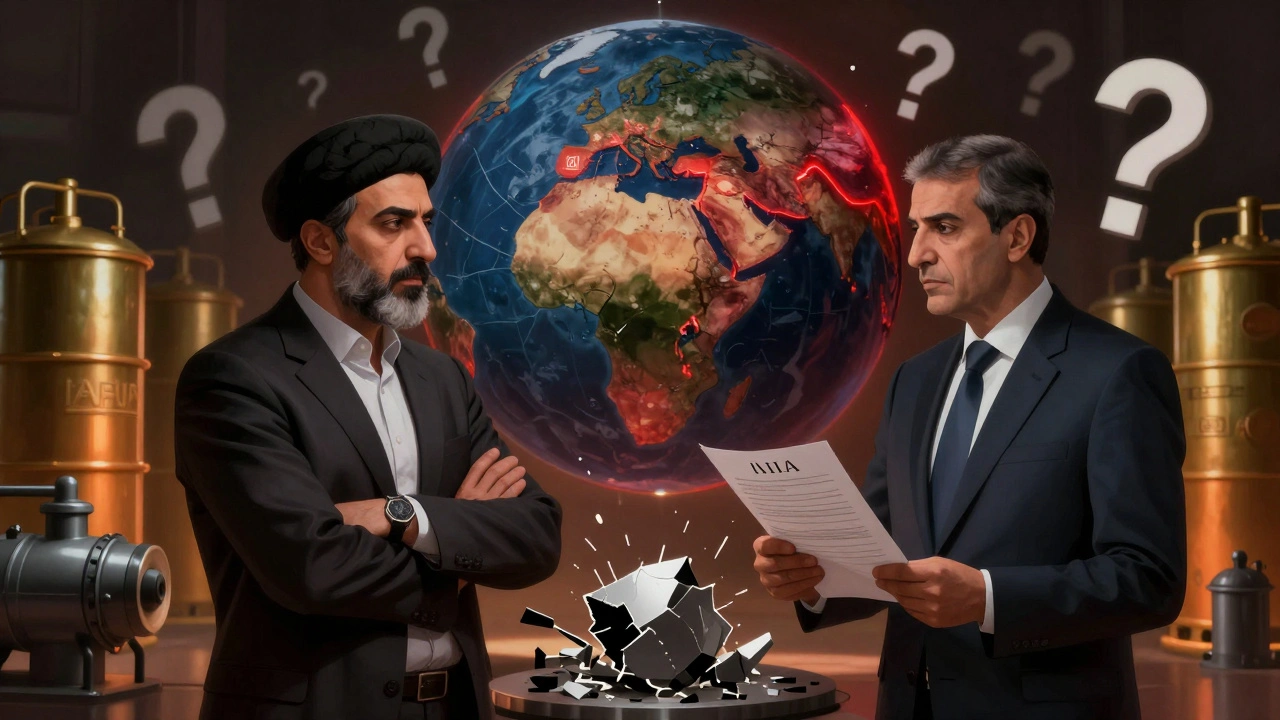
What Iran Really Wants
Iran insists its program is peaceful. Supreme Leader Ali Khamenei even issued a religious decree against nuclear weapons. But no one outside Tehran fully believes that. The real goal isn’t the bomb. It’s security. Iran has been bombed before. It’s been sanctioned for decades. It’s surrounded by enemies. And now, its nuclear infrastructure has been shattered. It doesn’t want to rebuild it - not yet. It wants to know that if it cooperates, it won’t be attacked again. That’s the leverage it’s holding. The Institute for National Security Studies says Iran is using IAEA access as a bargaining chip. Not to build a bomb. But to buy time. To get security guarantees. To stop the cycle of strikes and retaliation. The Washington Institute agrees: the strikes set Iran back, but didn’t eliminate its capability. And without verification, the threat remains.The Military Shadow
While diplomats talk, the U.S. Navy is moving. The USS Abraham Lincoln Carrier Strike Group was deployed to the Middle East in late January 2026. That’s not a training exercise. That’s a signal. It’s meant to deter Iran. Or maybe intimidate it. Or maybe prepare for another strike. The message is clear: we’re still here. We’re still watching. And we’re still ready. At the same time, the U.S. held indirect talks with Iran in early February 2026 - with a U.S. military commander in the room. That’s unusual. It suggests the administration isn’t just talking. It’s preparing for a deal. But what kind? A deal that removes uranium? Or one that just stops the bombing?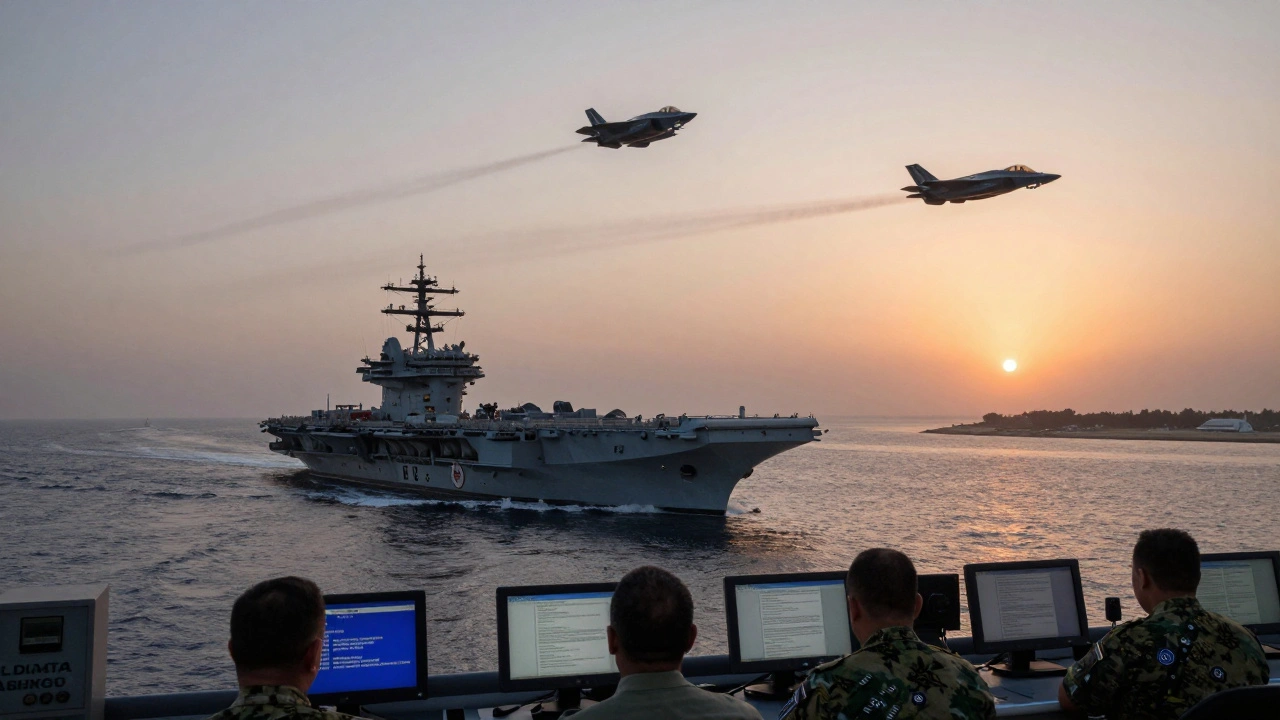
The Clock Is Ticking
The IAEA Board of Governors meets in the first quarter of 2026. That’s Iran’s deadline. Tehran has to decide: cooperate and get security guarantees, or risk being labeled a violator. If they refuse, the IAEA will report them to the UN. Sanctions will return. The U.S. might escalate. Israel might act again. And Iran’s already damaged nuclear program might become a ghost - with no one left to monitor it. Even if Iran’s government changes - if there’s a coup, or a revolution, or a peaceful transition - the nuclear material is still there. The knowledge is still there. The scientists are still there. And if a new government decides to weaponize, they won’t need to start from scratch. They’ll just need to enrich the uranium they already have.What Comes Next
The world doesn’t have to choose between war and surrender. The middle path exists. Let inspectors in. Freeze enrichment. Stop the strikes. Make a deal that doesn’t demand total victory - just basic safety. The IAEA can verify. The U.S. can protect its allies. Iran can survive. It’s not ideal. But it’s the only path that doesn’t lead to more bombs, more blood, and more chaos. The nuclear clock is ticking. And this time, there’s no second chance.Why can’t the IAEA inspect the bombed nuclear sites in Iran?
Iran has refused access to the three nuclear sites damaged in the June 2025 U.S.-Israeli strikes. Tehran argues that since the facilities are destroyed, inspections are unnecessary. But the IAEA needs to verify whether enriched uranium was moved or hidden before or after the attacks. Without physical access, inspectors can’t confirm the status of Iran’s nuclear materials, creating a dangerous verification gap.
How close is Iran to building a nuclear weapon?
Iran currently holds about 128 kilograms of uranium enriched to 60% purity. While not weapons-grade (which requires 90%), this material is just one technical step away. Experts estimate that if Iran chose to further enrich this stockpile, it could produce enough material for a single nuclear weapon within weeks. The real danger isn’t the enrichment process - it’s the lack of oversight to confirm whether this material is still under control.
What is the JCPOA, and can it be revived?
The JCPOA, or Joint Comprehensive Plan of Action, was the 2015 nuclear deal between Iran and six world powers. It limited Iran’s uranium enrichment in exchange for sanctions relief. The U.S. withdrew in 2018 under President Trump. Now, European allies and the U.S. are pushing to revive it - but with stronger inspections. Iran is skeptical, remembering past broken promises. Revival is possible, but only if both sides offer real concessions, not just slogans.
Why does the U.S. care about Iran’s missiles?
Iran’s long-range missile stockpile - over 3,000 missiles with ranges up to 2,000 kilometers - can carry nuclear warheads. Even without a bomb, these missiles threaten U.S. bases in the Middle East, Israel, and NATO allies. The U.S. sees missile development as part of Iran’s broader strategy to project power. So, any deal must address both nuclear enrichment and missile capabilities to be credible.
Could Iran’s nuclear program be restarted after the strikes?
Yes - but not easily. The main enrichment facilities at Natanz and Fordow were heavily damaged. Rebuilding them would take years and require new equipment, materials, and skilled workers. However, Iran still has the knowledge, scientists, and stockpiled uranium. If it decides to restart, it could use smaller, hidden centrifuges or move operations underground. The real threat isn’t the infrastructure - it’s the lack of verification to detect covert efforts.
What happens if the IAEA declares Iran in noncompliance?
A noncompliance declaration triggers a formal report to the UN Security Council. This could lead to renewed sanctions, diplomatic isolation, and possibly a push for military action. It also weakens the global nonproliferation system, signaling that violations can go unchecked. For Iran, it means more economic pressure and less room to negotiate. For the world, it means a higher risk of nuclear proliferation in an already unstable region.