Refugee Camp Density Calculator
Calculate Population Density
Ein el-Hilweh refugee camp covers 1.1 square kilometers and houses 50,000-60,000 Palestinian refugees. Calculate how many people would live in your chosen area.
Population Density Result
Key Facts from the Article:
Ein el-Hilweh covers 1.1 square kilometers and houses 50,000-60,000 Palestinian refugees. This density is higher than major urban areas like New York City's Central Park (0.5 square kilometers) or Manhattan (59.1 square kilometers).
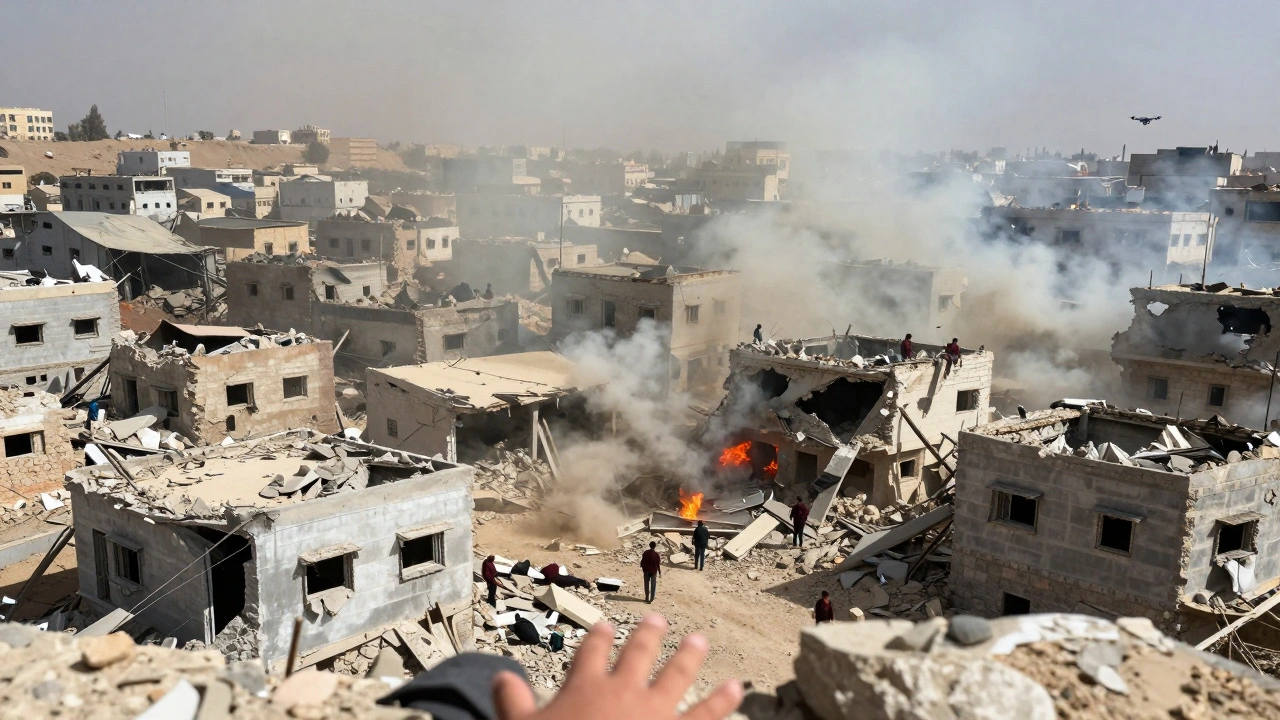
The ongoing Israel-Palestine conflict has taken a dangerous turn with Israeli military strikes on Palestinian refugee camps in Lebanon. On November 18, 2025, an Israeli drone strike hit Ein el-Hilweh, a Palestinian refugee camp near Sidon, Lebanon, killing at least 13 people. This attack wasn't isolated-it's part of a broader pattern of Israeli military actions across multiple countries. But why does this matter? The strikes on refugee camps in Lebanon are creating dangerous conditions that could spark wider regional conflict.
What's Inside Palestinian Refugee Camps in Lebanon?
Ein el-Hilweh camp, established in 1948, covers just 1.1 square kilometers and houses an estimated 50,000-60,000 Palestinian refugees according to UNRWA data. Think about that-over 50,000 people living in a space smaller than New York City's Central Park. These camps were supposed to be temporary, but decades later, they're still here. International humanitarian law clearly states that civilian areas like refugee camps must be protected. Yet Israel has increasingly labeled them as legitimate military targets because armed Palestinian groups operate within them. This is a dangerous game. When you bomb densely packed civilian areas, you're not just hitting fighters-you're killing families, destroying homes, and shattering communities.
| Aspect | West Bank | Lebanon |
|---|---|---|
| Population affected | Over 25,000 displaced since early 2025 | 50,000-60,000 in Ein el-Hilweh alone |
| Primary Israeli actions | Demolishing housing units | Drone strikes on camps |
| Lebanese government role | Direct Israeli control | Checkpoints but no internal security |
Lebanon's Security Approach to Refugee Camps
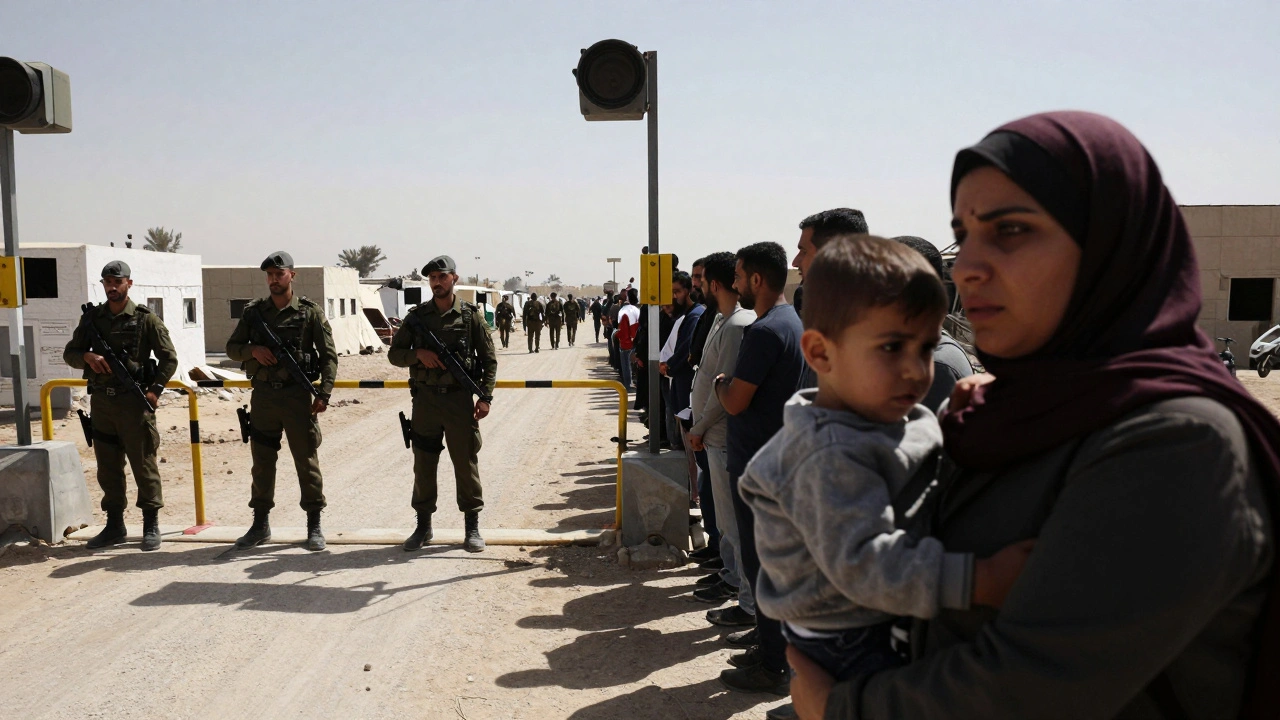
Lebanon's government treats Palestinian refugee camps like security threats rather than communities. They surround the camps with military checkpoints but never enter them. This approach is reflected in how Lebanon's agency for Palestinian refugees reports to the Lebanese government's Ministry of Interior, not Social Affairs. As Al-Shabaka reported in December 2025, this means the state views these areas through a security lens, not a social or humanitarian one. Residents face constant delays at checkpoints-30 to 45 minutes just to get medical care or work. One anonymous resident told Al-Shabaka, "We live in constant fear of the next strike, but also fear the Lebanese authorities who treat us as criminals." This dual pressure leaves refugees trapped between Israeli attacks and Lebanese control.
Israel's Strategy: From West Bank to Lebanon
Israel's approach in the West Bank offers a clear playbook. Since early 2025, Israel has demolished about 2,000 housing units in West Bank refugee camps, displacing over 25,000 people. This isn't random-it's part of a deliberate effort to erase the physical presence of refugee camps. As Palestinian human rights advocate Salameh explained to Mondoweiss, Israel wants to "alter the characteristics of the Palestinian refugee camp to no longer appear like a camp." Why? Because camps symbolize the right of return for Palestinians. By destroying them, Israel undermines this claim. Now, similar tactics may be spreading to Lebanon. The November 2025 strike on Ein el-Hilweh fits this pattern. If Israel successfully removes the physical presence of camps in Lebanon, it could further weaken Palestinian claims to their homeland.
Regional Dynamics and Diplomatic Implications
Here's the kicker: regional politics are making it easier for Israel to act. Seven Arab states have now normalized relations with Israel through the Abraham Accords expansion. This has created a new dynamic where strikes on Palestinian refugee camps face fewer diplomatic consequences. The U.S. administration explicitly endorsed disarmament of Palestinian camps as part of what analysts call "a broader colonial project aimed at erasing the Palestinian presence from the region as a whole." Jaber Suleiman of Al-Shabaka explains that current regional efforts seek to "liquidate the refugee question rather than resolve it." With Lebanon under pressure to align with Western and Gulf agendas, the stage is set for more Israeli operations. The UN Special Coordinator for the Middle East Peace Process confirmed in December 2025 that the Palestinian refugee issue remains "the most intractable element of the conflict," with 5.9 million registered refugees across the region. This makes camps a strategic target for Israel.
Why This Matters for Regional Stability
Hezbollah is the wild card here. Lebanon's powerful armed group has long been a rival of Israel. If Israel's strikes on refugee camps escalate, Hezbollah could respond militarily, triggering a wider war. The OHCHR specifically warned that Israel's "systematic attacks and killings in Lebanon threaten peace efforts," especially if Hezbollah retaliates militarily. Remember, the November 2025 strike happened after the September 2023 Battle of Ain al-Hilweh, which involved fierce intra-Palestinian clashes. This shows how internal tensions can spiral into external conflict. With Israeli operations expanding and regional actors tacitly accepting them, the risk of full-scale war is real. As Mahmoud Khlouf, a West Bank-based political analyst, noted in Mondoweiss, Israel's actions in the West Bank could serve as a model for Lebanon. If they succeed there, they might push harder in Lebanon, risking a regional explosion.
Community Voices: Living Under Siege
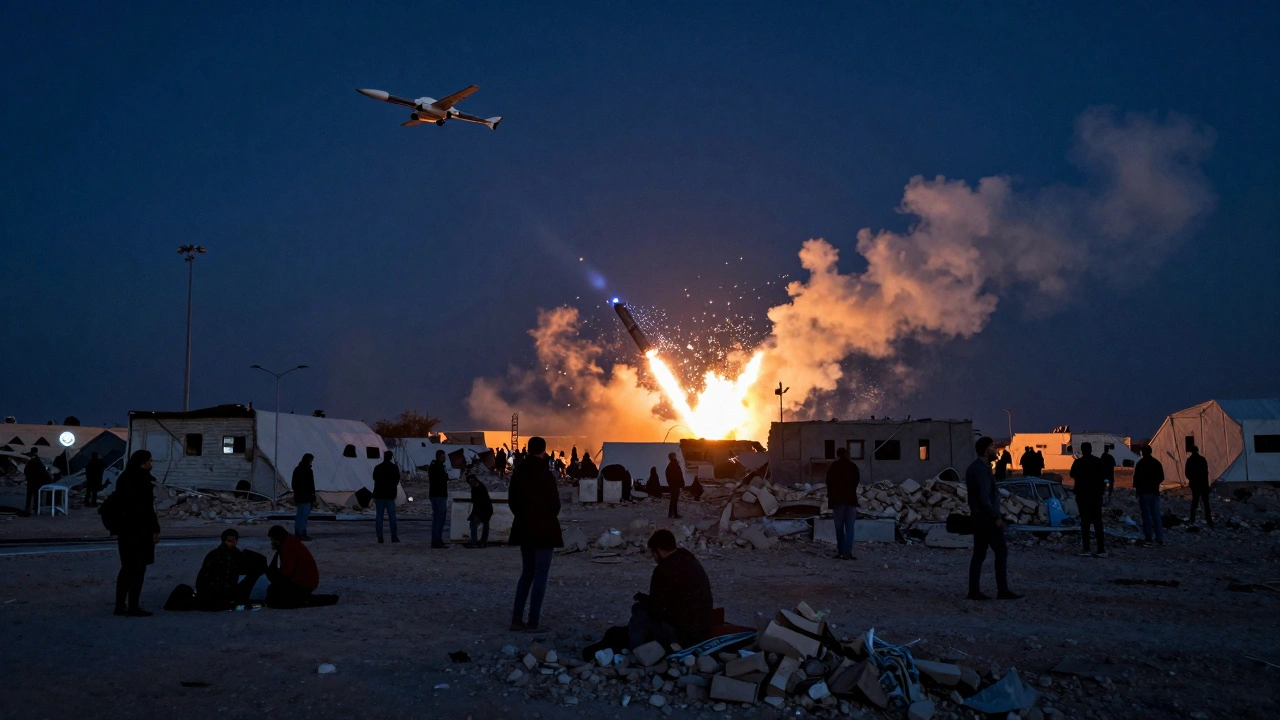
Behind the statistics are real people. A community leader from Burj al-Barajneh camp described disarmament pressure as "a performative gesture" where "when officials collect weapons on camera, it's clearly a way for Beirut to show Washington and Paris that the state is 'active.'" Residents report constant fear-not just of Israeli strikes but of Lebanese authorities who treat them as criminals. Abolition Media's December 2025 report documented how tightened checkpoints restrict access to hospitals and jobs. One resident said, "We're physically and psychologically isolated. Every day feels like a new siege." This isn't just about politics-it's about survival. When you're stuck between two forces that see you as a threat, where do you turn?
What's Next?
The current path is dangerous. Without fundamental reform of how Lebanon treats refugee camps-as security threats rather than communities with rights-any disarmament efforts will only deepen exclusion. The UN and humanitarian groups warn that destroying camps doesn't solve the refugee issue-it worsens it. As regional normalization continues, the world must ask: Are we really solving the conflict, or just making it harder for Palestinians to return home? The answer will shape the future of the entire Middle East.
What is Ein el-Hilweh?
Ein el-Hilweh is a Palestinian refugee camp established in 1948 near Sidon, Lebanon. It covers approximately 1.1 square kilometers and houses an estimated 50,000-60,000 Palestinian refugees. The camp has become a focal point of tension due to its dense population and the presence of armed Palestinian factions. Despite international humanitarian law classifying it as a civilian object requiring protection, it has been targeted in Israeli military strikes, including a drone attack on November 18, 2025, that killed at least 13 people.
Why does Lebanon treat Palestinian refugee camps as security threats?
Lebanon's government views Palestinian refugee camps through a security lens rather than as communities needing social support. The agency responsible for Palestinian refugees reports to the Ministry of Interior, not the Ministry of Social Affairs. This means the state treats camps as zones of insecurity and criminality. Lebanese security forces maintain checkpoints around the camps but do not enter them, leaving internal security to Palestinian factions. This approach has created a governance vacuum where residents face constant surveillance and restrictions while being vulnerable to external attacks.
How do Israeli strikes in Lebanon relate to the West Bank?
Israel's strategy in the West Bank provides a clear model for its actions in Lebanon. Since early 2025, Israel has demolished approximately 2,000 housing units in West Bank refugee camps, displacing over 25,000 people. This is part of a deliberate effort to erase the physical presence of refugee camps, which symbolize the Palestinian right of return. Analysts, including Palestinian human rights advocate Salameh, confirm that Israel aims to "alter the characteristics of the Palestinian refugee camp to no longer appear like a camp." The November 2025 strike on Ein el-Hilweh in Lebanon follows this same pattern, suggesting Israel may be applying similar tactics to undermine Palestinian claims in Lebanon as it has in the West Bank.
What role does Hezbollah play in this conflict?
Hezbollah, Lebanon's powerful armed group, is a key factor in regional stability. While the group has historically opposed Israel, its response to Israeli strikes on refugee camps could trigger wider conflict. The OHCHR warned that Israel's systematic attacks in Lebanon "threaten peace efforts," especially if Hezbollah retaliates militarily. Current tensions between Israel and Hezbollah remain high, and any escalation in refugee camps could push both sides into open warfare. This makes the situation in Lebanese refugee camps a critical flashpoint for regional stability.
How does regional normalization affect the situation?
The Abraham Accords expansion, which normalized relations between Israel and seven Arab states, has changed the diplomatic landscape. With fewer diplomatic consequences for Israeli actions, Israel feels emboldened to conduct strikes on Palestinian refugee camps in Lebanon. Analysts like Jaber Suleiman of Al-Shabaka explain that current regional efforts seek to "liquidate the refugee question rather than resolve it." This normalization has reduced international pressure on Israel, allowing it to pursue policies that erase the physical presence of refugee camps without facing significant backlash from key regional players.
What is the UN's stance on this issue?
The UN has repeatedly condemned Israeli strikes on refugee camps as violations of international humanitarian law. The Office of the UN High Commissioner for Human Rights (OHCHR) specifically warned that Israel's "systematic attacks and killings in Lebanon threaten peace efforts" and violate principles of distinction and proportionality. The UN Special Coordinator for the Middle East Peace Process stated in December 2025 that the Palestinian refugee issue remains "the most intractable element of the conflict," with 5.9 million registered refugees across Jordan, Lebanon, Syria, West Bank, and Gaza. The UN continues to call for the protection of civilian infrastructure and adherence to international law.