
Reskilling ROI Calculator
Calculate the financial benefits of reskilling existing employees versus hiring externally for high-growth roles. Based on data from companies like AT&T, Walmart, and Seagate.
Current Employee Information
External Hiring Information
Results
When companies face rapid technological shifts, they don’t just need new hires-they need to rebuild their existing teams. The old way of firing people and hiring fresh grads from top schools is falling apart. It’s too slow, too expensive, and too disruptive. The real breakthrough isn’t in recruiting-it’s in reskilling at scale. Organizations that are winning today aren’t just training employees. They’re giving them clear paths to new careers inside the same company.
What Reskilling Actually Means (And Why It’s Not Just Training)
Reskilling isn’t another word for upskilling. Upskilling helps someone get better at their current job-like teaching a cashier how to use a new POS system. Reskilling moves someone into a completely different role. A warehouse worker becomes a data analyst. A call center rep becomes a cybersecurity specialist. A mechanic learns to program robotic arms. These aren’t side projects. These are career changes, enabled by structured programs that connect learning directly to job openings. The difference matters because reskilling solves a deeper problem: talent shortages in high-growth fields. AI, cloud infrastructure, data science, and digital healthcare roles are exploding. But there aren’t enough people with those skills to fill them. External hiring can’t keep up. Reskilling turns your current workforce into the solution.The Companies That Got It Right
AT&T didn’t wait for the market to catch up. In 2017, they realized only about half their workforce had the skills needed for the company’s future. So they launched a billion-dollar program. Employees got access to a personalized career portal. It showed them what skills they needed, what roles were opening up, and exactly which courses to take-whether from Coursera, LinkedIn Learning, or internal teams. Within five years, over 100,000 employees transitioned into new roles. No layoffs. No mass hiring. Just internal movement. Walmart’s Live Better U program covers 1.5 million employees. They pay 100% of tuition and books for any degree or certification. Not just for managers. Not just for full-timers. For every cashier, stocker, and driver. The result? Employees who stayed in their jobs longer. Teams that became more stable. And a workforce that now includes hundreds of nurses, IT specialists, and supply chain analysts who started as entry-level workers. Accenture didn’t just offer online courses. They built a Connected Learning Platform that blends live classes, peer mentoring, and project-based gigs. Employees can take a course on blockchain, then immediately join a real internal team working on cryptocurrency applications. This isn’t theory. It’s hands-on experience tied to actual business needs. They’ve trained millions of hours, and productivity jumped because people weren’t just learning-they were applying.The Hidden Engine: Talent Marketplaces
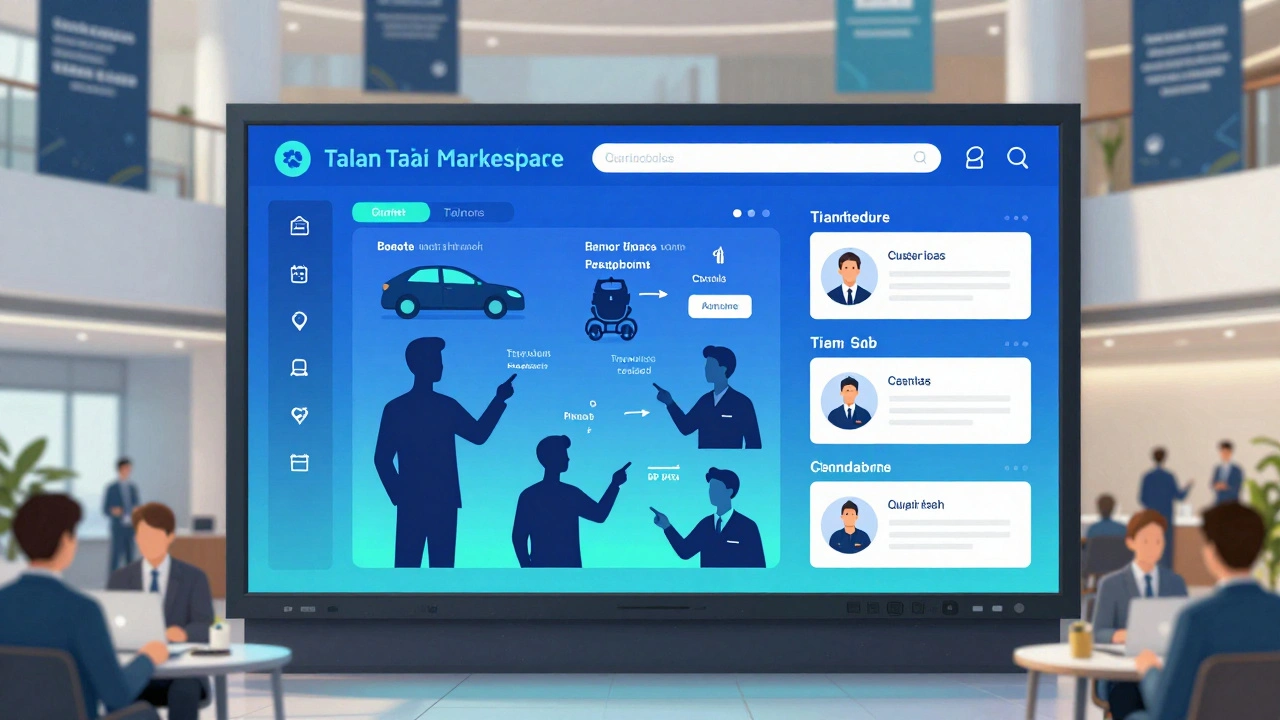
The most effective reskilling programs don’t hide behind HR portals. They use something called a talent marketplace. Think of it like a job board-but for internal moves only. Employees log in and see:- What skills they currently have
- What skills they need for roles they’re interested in
- Which learning paths close those gaps
- Who’s hiring internally right now
- Who can mentor them in that new role
What Makes These Programs Work (And Why Most Fail)
Most training programs fail because they’re treated like compliance checkboxes. You complete a course. You get a certificate. You forget it. The programs that work do four things differently. 1. Leadership owns it. At Ericsson, senior leaders reviewed reskilling progress every quarter. CEOs didn’t just endorse it-they demanded results. That’s how they reskilled over 15,000 employees in AI and automation in three years. No CEO wants to be the one who says, “We lost half our tech team because we didn’t train anyone.” 2. It’s personalized, not one-size-fits-all. A 25-year-old IT assistant and a 52-year-old customer service manager don’t learn the same way. Successful programs use AI to recommend learning paths based on current skills, career goals, and past performance. Walmart doesn’t push the same course to every employee. It shows each person what’s relevant to them. 3. Learning connects directly to promotion. At Schneider Electric, they discovered nearly half of employees who quit said they didn’t see a future there. So they tied reskilling to career progression. Completing a cybersecurity certification didn’t just look good on a resume-it unlocked eligibility for a new job title, higher pay, and a promotion. Productivity jumped. Retention improved. And they saved $15 million in hiring costs. 4. It’s embedded, not isolated. These aren’t HR projects. They’re business operations. Avalere Health didn’t create a “training department.” They integrated skill mapping into how they planned projects, hired for new roles, and allocated budgets. When a team needed more data analysts, they didn’t post a job. They looked inside their own workforce, found someone with the right potential, and gave them a path to fill the gap.The Numbers Don’t Lie
These aren’t feel-good stories. They’re financial decisions.- Seagate avoided layoffs during COVID by shifting 1,200 employees internally. They saved $13 million in hiring costs and $20 million in severance.
- Mastercard’s talent platform gave them 100,000 extra hours of capacity-enough to build new teams in cryptocurrency and NFTs without hiring a single person.
- HSBC identified skill gaps using AI tools and unlocked 60,000 hours of productivity just by reallocating existing staff.
- Target’s partnership with Guild Education has helped over 340,000 employees earn degrees. Employee retention in roles that offer this benefit is 3x higher than in those that don’t.

The Road Ahead: What’s Next?
The next wave of reskilling isn’t about courses. It’s about ecosystems.- Dynamic career planning: Instead of one annual review, employees get real-time feedback on their skill growth and role readiness.
- Peer mentoring: Employees who just made a transition become mentors for others. Real experience beats any textbook.
- Micro-credentials tied to pay: Earning a certification in cloud security doesn’t just look good-it increases your base pay or bonus eligibility.
- Equity in access: Programs are no longer reserved for high-potentials. Every employee, regardless of role or tenure, gets the same access to learning and mobility.
Why This Matters for Workers
If you’re reading this because you’re worried about your job changing-or disappearing-you’re not alone. Automation, AI, and shifting markets are real. But reskilling at scale offers something rare: control. You don’t have to wait for someone else to decide your future. You can see the path. You can choose it. And if your company is doing this right, they’ll pay for you to walk it. This isn’t charity. It’s strategy. And for workers, it’s the most reliable path to long-term job security in a world that keeps changing.What’s the difference between reskilling and upskilling?
Upskilling means improving skills you already use-like teaching a marketer how to use a new analytics tool. Reskilling means learning entirely new skills to move into a different job-like turning a retail worker into a data analyst. Upskilling helps you do your current job better. Reskilling helps you do a completely different job.
Do companies really save money by reskilling instead of hiring?
Yes. Hiring externally for specialized roles like AI engineers or cybersecurity analysts can cost $150,000-$250,000 per person, including recruitment, onboarding, and ramp-up time. Reskilling an existing employee costs 30-50% less. Seagate saved $13 million in hiring costs and $20 million in termination costs just by shifting staff internally. Schneider Electric saved $15 million in productivity gains by reducing turnover.
Can hourly or part-time workers benefit from reskilling programs?
Absolutely. Walmart’s Live Better U program covers 1.5 million part-time and full-time employees. Target, AT&T, and Accenture all include frontline workers. The most successful programs don’t limit access by job title-they focus on potential. A warehouse worker with strong problem-solving skills might be a perfect candidate for logistics automation training. These programs are designed to be inclusive.
How long does it take to reskill someone into a new role?
It varies. Basic transitions, like moving from customer service to technical support, can take 3-6 months with daily learning and mentorship. More complex shifts, like becoming a data scientist or cybersecurity analyst, usually take 12-24 months. The key isn’t speed-it’s structure. Programs that combine learning, hands-on projects, and internal job shadowing see the fastest and most successful transitions.
What if my company doesn’t have a reskilling program?
Start by identifying which high-growth roles your company needs-like cloud infrastructure, AI support, or digital compliance. Then, find employees who show interest and aptitude in those areas. Propose a pilot: give them access to free online courses (like Coursera or edX), pair them with a mentor, and let them work on a small internal project. Track the results. If they succeed, you’ll have proof that reskilling works-even without a big budget.
Reskilling at scale isn’t about replacing workers. It’s about unlocking their potential. Companies that do this well don’t just survive change-they lead it. And workers who get the chance to grow inside their current organization? They don’t just keep their jobs-they build better ones.