Origin Value Content Calculator
When you ship a product across borders, you might think the only thing that matters is the price and the delivery date. But what if the country you say it came from changes your duty bill by 30%? Or worse - triggers a customs audit that halts your entire supply chain? This isn’t hypothetical. It’s happening right now, every day, to companies that treat rules of origin as an afterthought.
Rules of origin aren’t just paperwork. They’re the legal definition of where a product truly comes from. And in today’s fragmented trade world - where a smartphone’s chip is made in Taiwan, the battery in Vietnam, the casing in Mexico, and final assembly in Poland - getting this wrong can cost you millions.
Why Rules of Origin Matter More Than Ever
Every imported product has a tariff rate attached to it. But that rate isn’t based on where the product was last shipped from. It’s based on where it originated. That’s the core of rules of origin.
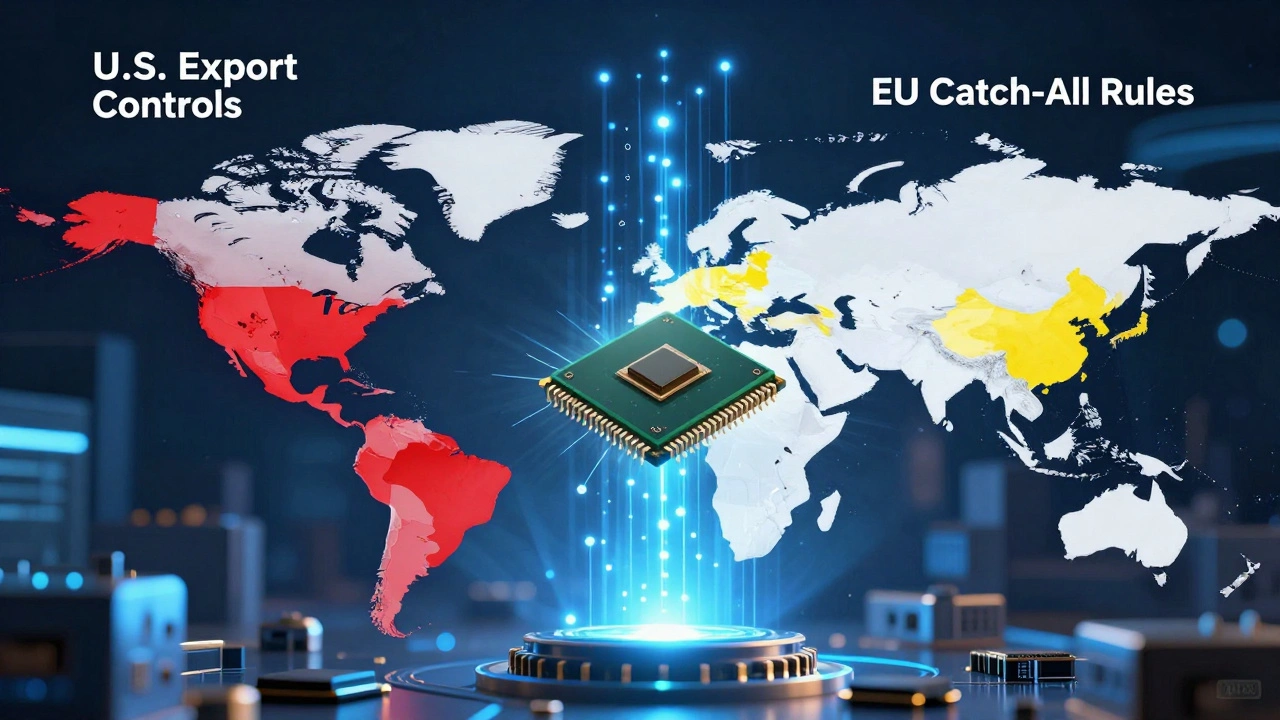
In the U.S., the country of origin is defined as the country where the product was manufactured, produced, or grown - not where it was packed or transshipped. The EU takes it further, calling it the product’s “economic nationality.” China requires mandatory origin declarations with heavy penalties for false claims. And if you’re shipping to any of these places, you’re playing by their rules.
Here’s the catch: a product made from parts in five countries can have a different origin under U.S. rules than under EU rules than under Chinese rules. And each one has its own test to decide.
The Two Types of Rules - Preferential vs. Non-Preferential
There are two main sets of rules you need to know. They’re not the same. Confusing them is a common mistake.
Non-preferential rules apply to goods from countries without a trade deal. Think Most-Favored-Nation (MFN) tariffs. These use three standards:
- Change in Tariff Classification (CTC): Did the product’s HTS code change during processing? If a steel ingot (HTS 7206) becomes a car part (HTS 8708), it’s likely originated.
- Value Content: Did at least 40-60% of the final value come from local labor and materials? (This varies by country.)
- Process-Based Rules: Did a specific operation happen? For example, in textiles, weaving must occur in the country to claim origin.
Preferential rules apply under trade agreements like USMCA, CPTPP, or the UK-EU Trade and Cooperation Agreement. These are more flexible - but more complex.
Under these agreements, you can use cumulation: materials from partner countries count as local. A German car part used in a Polish factory can be treated as “originating” if the final product meets the FTA’s rules. But you still need proof.
And that’s where documentation becomes critical.
How Origin Is Proven - Certificates, Declarations, and Self-Certification
Customs doesn’t believe you. They verify.
There are three main ways to prove origin:
- Certificates of Origin: Issued by chambers of commerce or government agencies. Still used in many countries, especially for non-preferential claims.
- Supplier Declarations: Common in FTAs. The exporter writes a statement on the invoice or a separate form, declaring the product meets origin rules. Requires detailed records of component sourcing.
- Self-Certification: Used in modern FTAs like USMCA. The exporter certifies origin on their own letterhead. No third party involved. But if you’re wrong? You’re liable.
Under the UK-EU TCA, supplier declarations must include:
- Product description
- Origin criteria met
- Non-originating materials used
- Exporter’s contact info
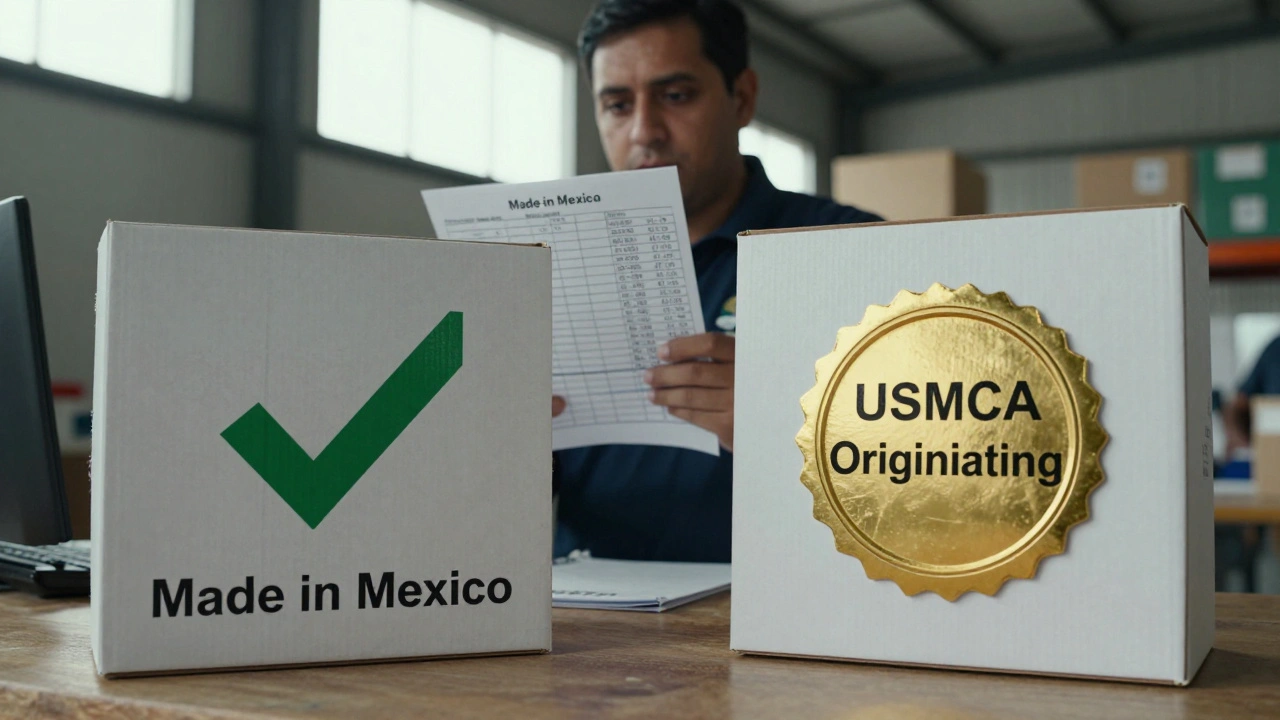
One company in Ohio lost $2.3 million in 2025 after a customs audit found their self-certified auto parts didn’t meet USMCA’s value content rule. They’d assumed “made in Mexico” meant “originating.” It didn’t.
De Minimis and Transit Rules - The Hidden Loopholes
Not every tiny foreign part kills your origin claim.
Most FTAs have a de minimis rule: if non-originating materials make up less than 10% of the product’s total value, they’re ignored. Some agreements allow up to 15% for textiles.
But here’s what trips people up: transit rules. If your product passes through a third country - say, from Vietnam to the U.S. via Singapore - it can’t be altered. No repackaging, no repurposing, no simple relabeling. If customs finds you changed the product’s identity in transit, they’ll reject the origin claim.
Proof? Shipping documents showing customs supervision. A customs seal. A transit certificate. Without it, you’re treated as if the product came from the transit country - which could mean paying 25% instead of 0% duty.
The Real Cost of Getting It Wrong
Most companies think the worst-case scenario is a small fine. It’s not.
In the U.S., if customs finds you falsely claimed origin to avoid Section 301 tariffs on Chinese goods, you could face:
- Full MFN duties retroactively applied
- Interest on unpaid duties
- Penalties up to 200% of the evaded amount
- False Claims Act lawsuits
- Criminal charges under 18 U.S.C. § 1001
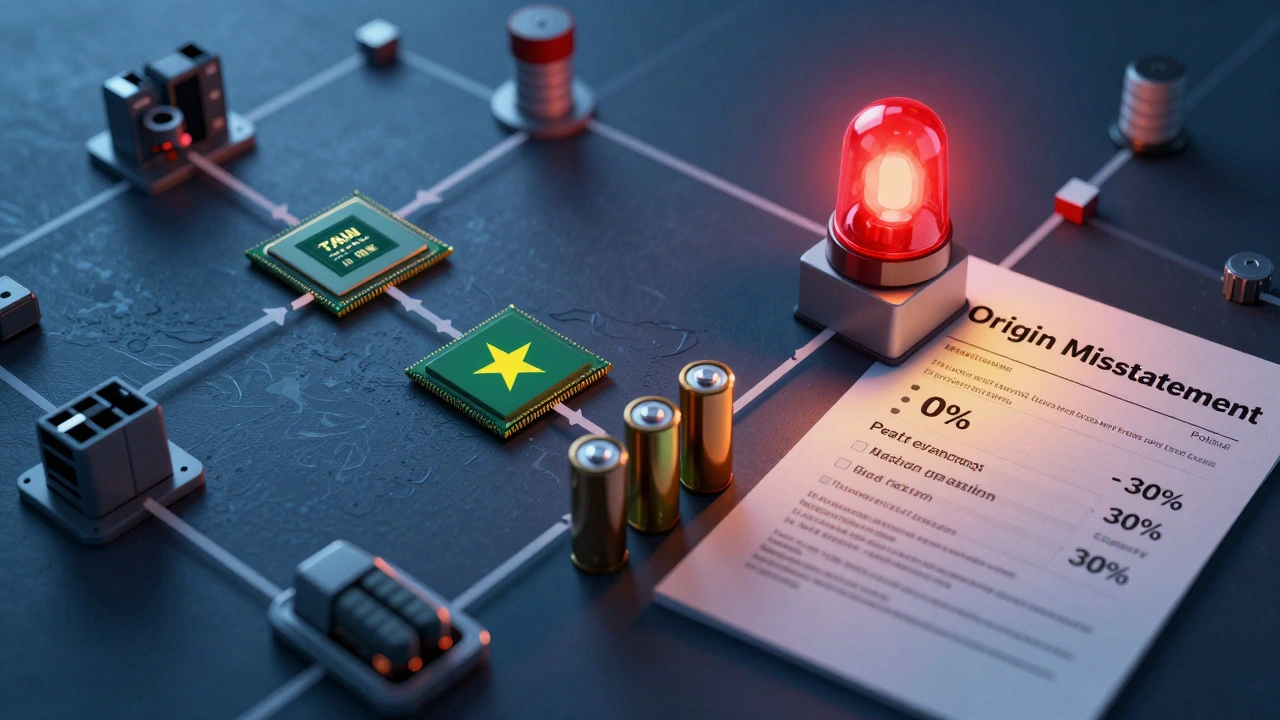
China does the same. In 2024, Chinese customs fined over 1,200 companies for origin misstatement. Some were banned from exporting for a year.
And reputational damage? That’s harder to fix. Buyers in Germany, Canada, and Japan now ask for origin audit trails before signing contracts. If you can’t provide them, you lose the deal.
How to Build a Real-World Compliance System
You don’t need a legal team. But you do need a system.
Here’s how to start:
- Map your supply chain. List every component, where it’s made, and which country it’s shipped from. Don’t guess. Get supplier declarations.
- Match each product to the right rule set. Is it going to the U.S.? EU? China? Each has different tests. Use the WCO’s global database of trade agreements to find the exact rule.
- Apply the correct origin test. For CTC? Check HTS codes. For value content? Calculate labor, materials, overhead. For process? Document the exact manufacturing step.
- Document everything. Save invoices, bills of lading, production logs, and supplier declarations for at least five years. Customs can audit you anytime.
- Train your team. Your logistics manager, your customs broker, your sales rep - they all need to understand the stakes.
One mid-sized manufacturer in Tennessee cut their customs audit risk by 70% in six months just by creating a simple origin checklist for every shipment. No fancy software. Just a spreadsheet with columns for product, components, origin test, and proof.
The Future: More Rules, More Risk
Trade is fragmenting. Countries are building “friend-shoring” networks - alliances that exclude geopolitical rivals. That means new FTAs with stricter origin rules.
Expect:
- More product-specific rules (e.g., “EV batteries must have 70% North American materials”)
- More self-certification - with heavier penalties for false claims
- More digital tracking - customs agencies are rolling out blockchain-based origin verification pilots
- More audits - the WCO says origin verification is now a core part of risk assessment
Companies that treat origin as a compliance checkbox will get crushed. Those that treat it as a strategic tool - using it to qualify for lower tariffs, avoid sanctions, and build trust with buyers - will win.
Final Thought: Origin Isn’t a Location. It’s a Story.
Customs officials aren’t looking for a country name. They’re looking for a story: How did this product become what it is? Can you prove it? Can you show the paper trail? Can you explain the transformation?
If you can’t, you’re not just at risk of paying more duty. You’re at risk of losing your market.
What happens if I misstate the country of origin?
If you misstate origin, customs can demand back payment of duties at the highest applicable rate (like MFN instead of preferential), add interest, and impose penalties up to 200% of the evaded amount. In cases of intentional fraud - like hiding Chinese components to avoid Section 301 tariffs - you could face civil lawsuits under the False Claims Act or even criminal prosecution. Reputational damage can also block future contracts.
Can I use a Certificate of Origin from any chamber of commerce?
Only if the importing country accepts it. Some countries require origin certificates issued only by government agencies or designated chambers. Others accept any authorized body. Always check the importing country’s customs website or consult their trade representative. In the EU, for example, only certificates from approved issuing bodies are valid under preferential rules.
Do I need a new origin document for every shipment?
Yes, unless you have a blanket authorization. Most customs authorities require a new declaration for each shipment. Some FTAs allow multi-shipment certificates valid for up to 12 months, but only if the product and origin remain unchanged. Never reuse an old document - even if the product is identical. Customs treats each shipment as a separate event.
What’s the difference between “made in” and “originating”?
“Made in” is a marketing label. “Originating” is a legal term under trade rules. A product can be “made in” Vietnam but not “originating” if its components came from non-FTA countries and didn’t meet the required transformation or value content rule. Customs cares about the latter. Consumers care about the former. Your compliance team must care about both.
Can I combine parts from multiple countries and still claim origin?
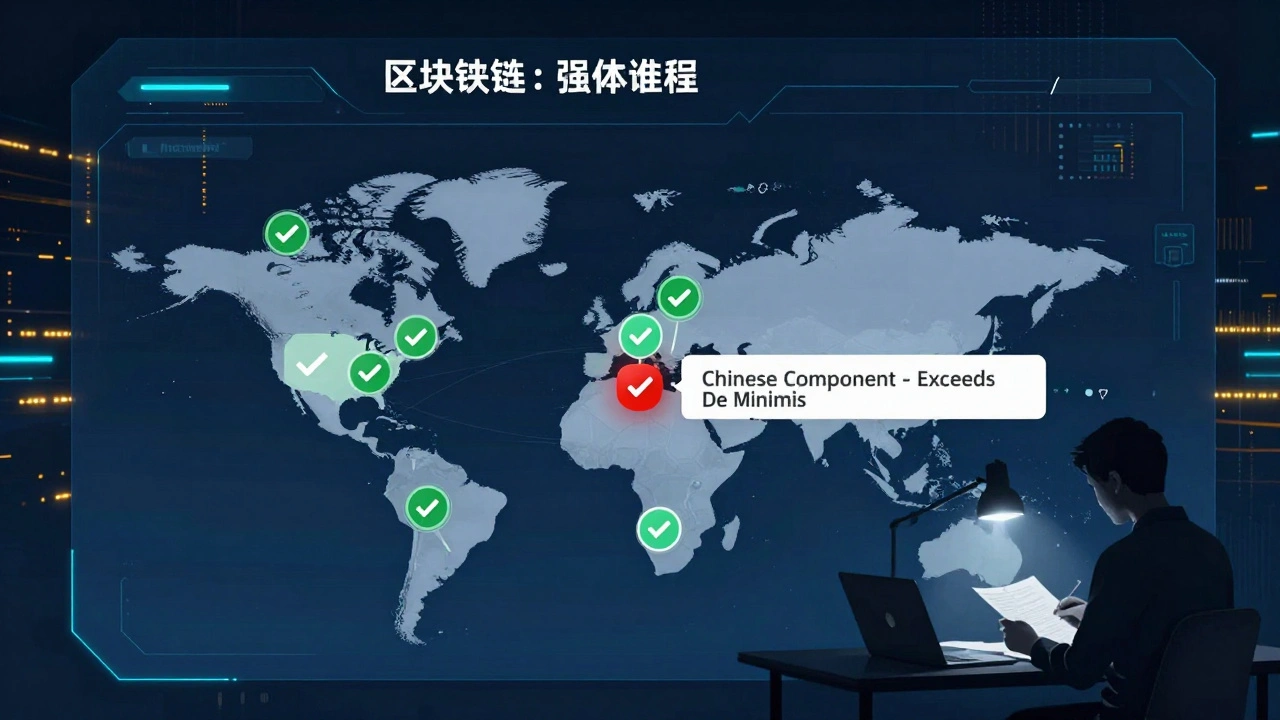
Yes - but only if the final product meets the origin rule. For example, under USMCA, if you assemble a product in Mexico using parts from Canada and the U.S., and the final product meets the rule of change in tariff classification, it qualifies as originating. But if you add a Chinese component that exceeds the de minimis threshold (usually 10%), you lose origin status. It’s not about how many countries you use - it’s about whether the rules are met.
Are there tools to help track origin compliance?
Yes. The World Customs Organization offers a free global database of trade agreements and origin rules. Some ERP systems now include origin modules that auto-check HTS codes against rules. But no tool replaces human oversight. You still need to understand the logic behind each rule and validate your data. Tools help - they don’t replace.