Tariff Cost Calculator
How Tariffs Work
Tariffs are taxes on imported goods. For example, a 10% tariff on a $100 smartphone increases its price by $10. The WTO report shows tariffs have risen to 20-year highs, causing global trade growth to plummet to 0.5% in 2026.
Real-World Example:
The U.S. imposed a 100% tariff on Canadian imports (as mentioned in the WTO report), meaning a $1,000 Canadian-made appliance would cost $2,000 after tariffs.
Calculate Your Impact
Enter values above to see how tariffs affect prices
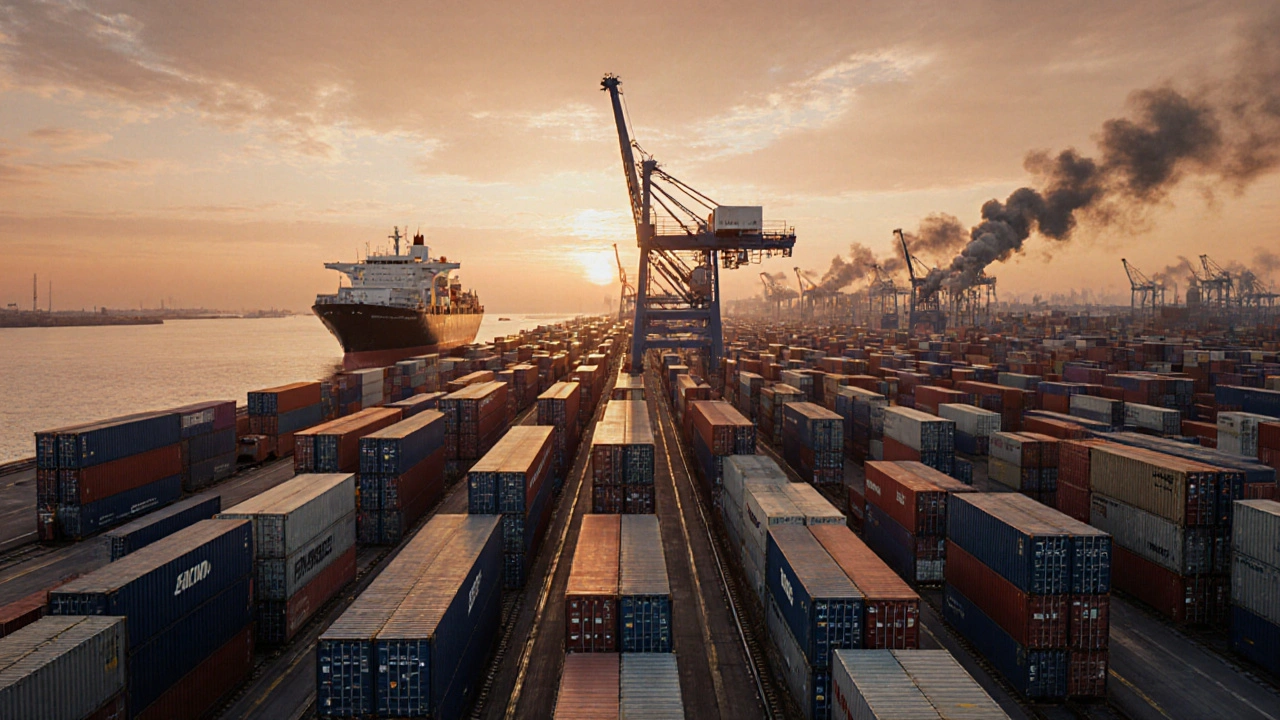
Global trade is stalling. Not because of a recession, not because of a pandemic, but because of tariffs. The World Trade Organization just dropped a sobering report: merchandise trade growth in 2026 is now expected to hit just 0.5%, down from 1.8% just months ago. That’s not a typo. It’s the lowest forecast in over a decade. And the reason isn’t complicated: countries are slapping on more tariffs, and the world is paying the price.
How Tariffs Are Killing Trade Growth
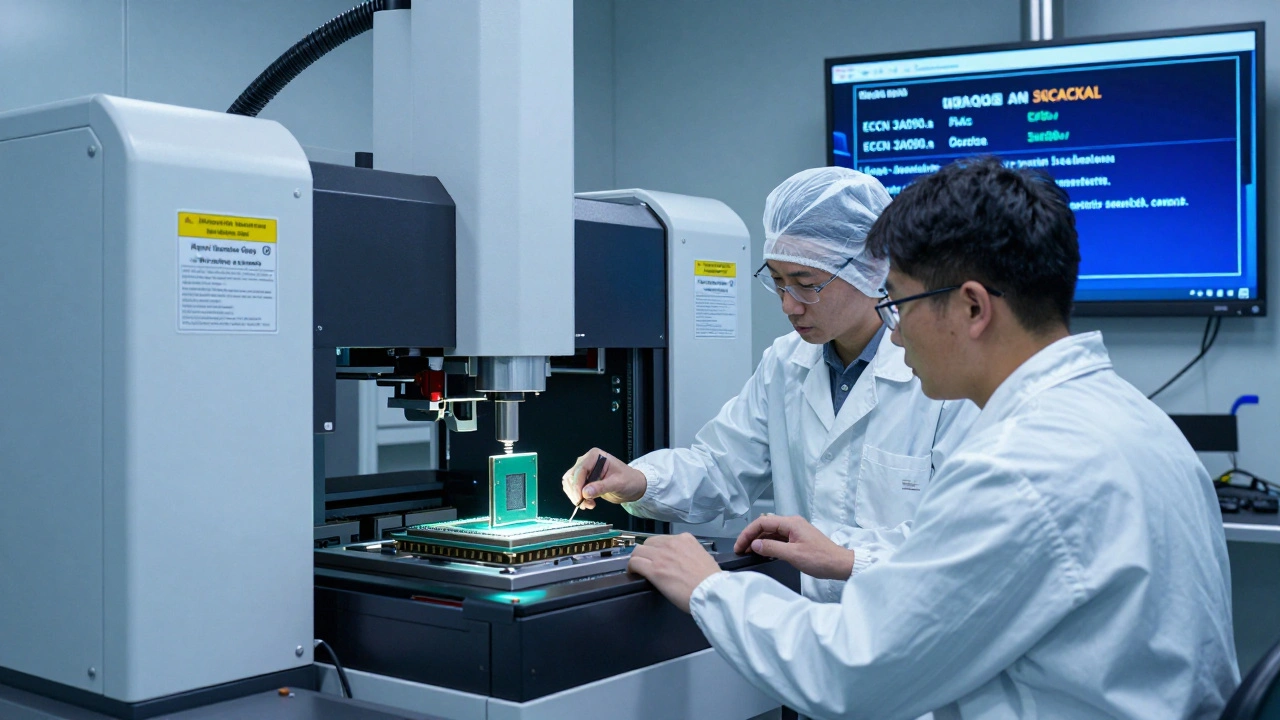
The numbers don’t lie. The WTO blames the collapse in trade momentum squarely on the wave of protectionist policies that started under the Trump administration and never stopped. In 2025, global tariffs jumped to their highest level in 20 years. The U.S. didn’t just raise duties-it expanded them. New threats emerged in early 2026: a 100% tariff on Canadian imports if Ottawa signs a trade deal with China. A 50% tariff on Canadian aircraft. Pressure on South Korea to fully implement a six-month-old trade deal or face a jump from 15% to 25% tariffs. These aren’t isolated moves. They’re part of a broader strategy: using trade policy as a weapon.It’s not just the U.S. The EU is pushing its own agenda with the Critical Raw Materials Act and vague "Made in Europe" rules. China, meanwhile, is tightening export controls on key technologies. Every country is trying to protect its own industries. But when every country does this, trade doesn’t just slow-it fractures.
The result? Global growth in 2026 is stuck at 2.6%. That’s barely above the rate of population growth. For developing economies outside China, growth is slowing to 4.2%. In North America and Europe, imports are actually shrinking. The trade volume that surged in early 2025? It collapsed by the end of the year. Companies rushed to stockpile goods before tariffs hit. Once that front-loaded demand was satisfied, trade froze.
The Supply Chain Domino Effect
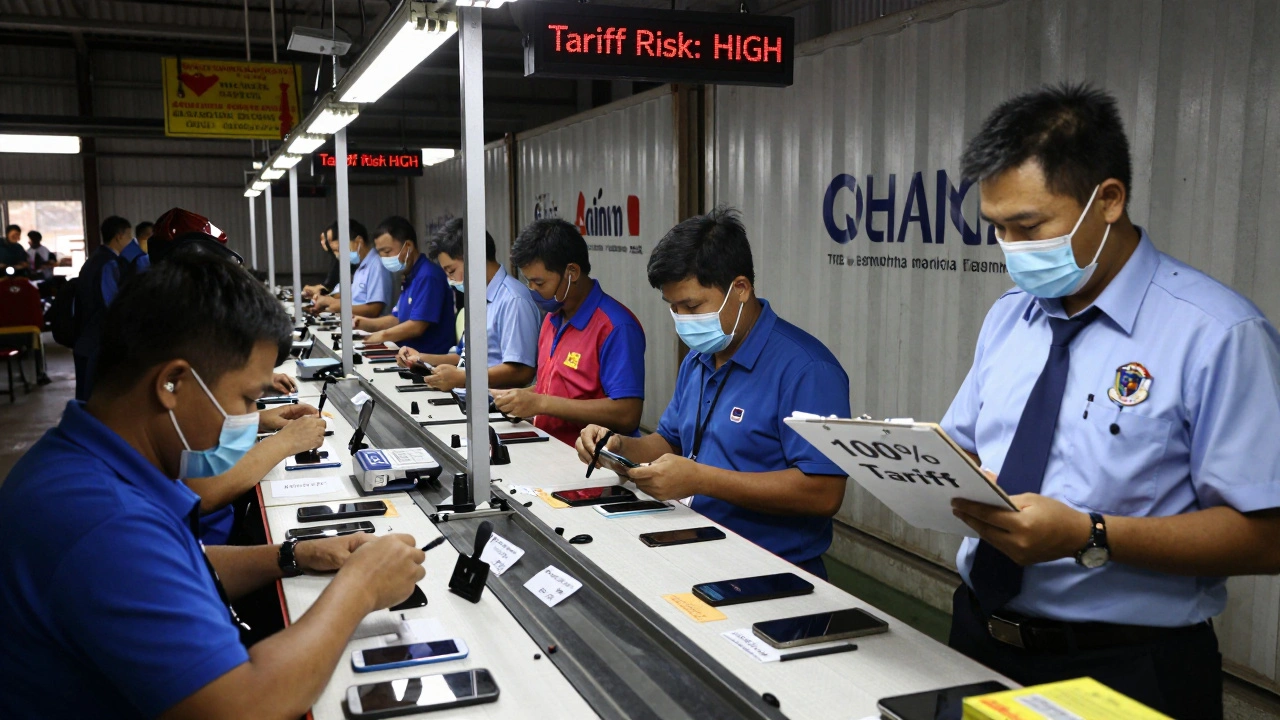
You don’t need to be an economist to feel this. If you’ve waited longer for a new appliance, paid more for a smartphone, or seen your local factory cut shifts-you’ve seen protectionism in action.Supply chains are being ripped apart and stitched back together in real time. Nearly two-thirds of global trade happens through complex networks of parts, components, and finished goods moving across borders. Now, companies are scrambling to find new suppliers, reroute shipments, and avoid tariffs. Vietnam is booming because it’s becoming the go-to hub for electronics made for the U.S. market. But that’s not because Vietnam is suddenly better at manufacturing-it’s because companies are fleeing China to avoid U.S. tariffs.
Here’s the catch: every new supplier introduces new risks. A factory in Malaysia might be cheaper, but if it uses a Chinese component, it could trigger U.S. sanctions. A shipping route through the Middle East might avoid tariffs, but now you’re exposed to geopolitical instability. Forty-one percent of supply chain leaders say geopolitical risk is their biggest nightmare. And they’re right.
The cost? Higher prices. Longer lead times. And fewer choices. A U.S. company that used to source 80% of its parts from China now sources 50% from Vietnam, 20% from Mexico, and 30% from domestic suppliers. That’s not efficiency. That’s damage control. And it’s expensive.
Who’s Winning? Who’s Losing?
Not everyone is losing. Asia is still growing. Intra-Asian trade-trade between Asian countries-is up 7% in 2025. China’s trade surplus hit $1.2 trillion last year, even as exports to the U.S. dropped. How? China didn’t stop selling. It just sold more to Europe, Latin America, and Southeast Asia. Vietnam, Indonesia, and India are all becoming manufacturing outposts for global brands trying to escape U.S. tariffs.Meanwhile, Europe’s trade is barely moving. Energy prices are still high. Industrial exports to China and the U.S. are falling. The EU’s new Mercosur deal with Brazil and Argentina looks good on paper-but most of the tariff reductions won’t kick in until after 2026. Europe is stuck in place.
The U.S. is trying to force reshoring. But here’s the problem: you can’t just move a factory from Shenzhen to Ohio overnight. It takes years. Billions of dollars. And skilled workers. The U.S. doesn’t have enough of either. So instead, companies are doing the bare minimum: shifting production to nearby countries. That’s not reshoring. That’s relocating.
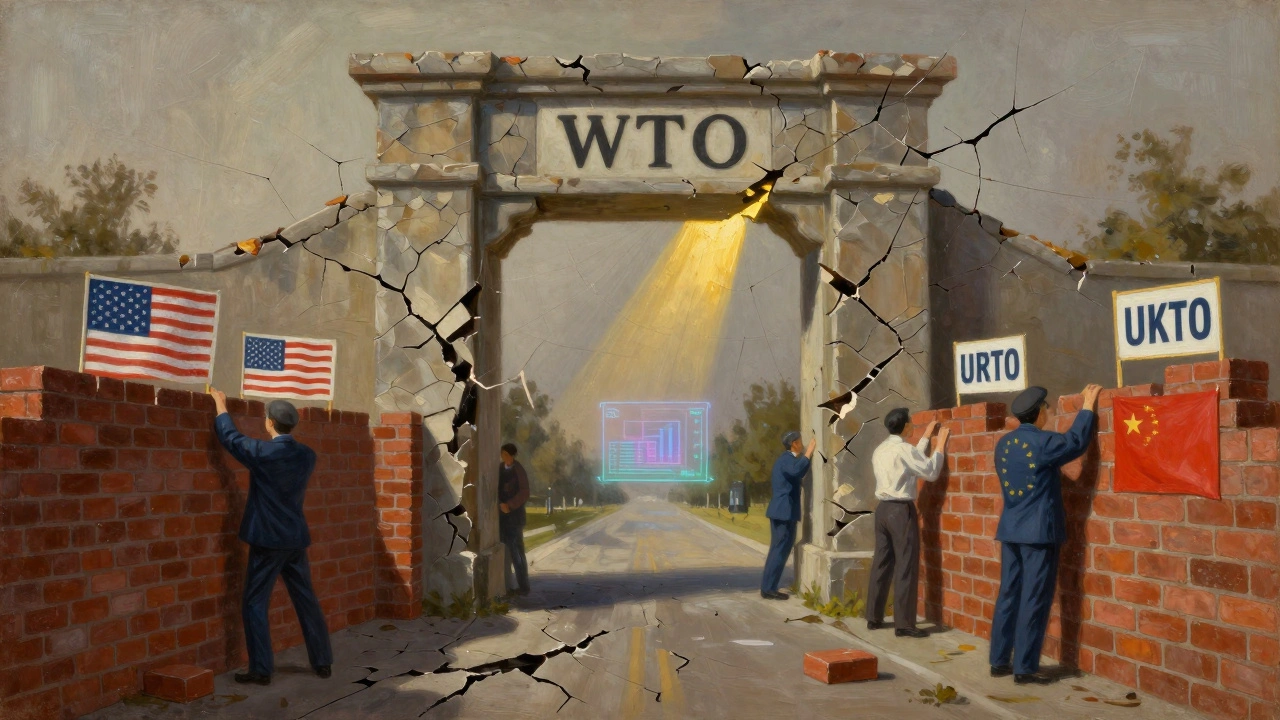
The Bigger Picture: Trade Is Becoming Political
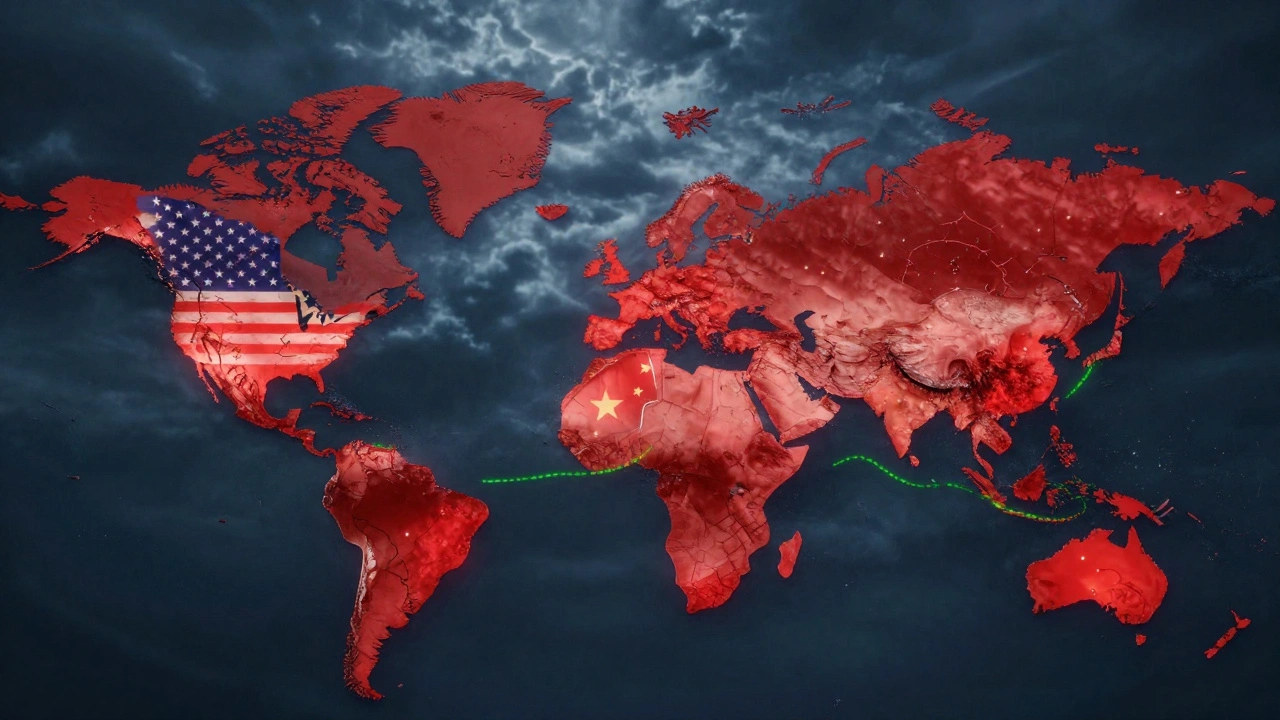
The WTO was built to keep trade rules fair and predictable. But right now, the organization is being sidelined. Countries are acting unilaterally. The U.S. is using the International Emergency Economic Powers Act to justify tariffs that were never approved by Congress. Legal challenges are piling up. Meanwhile, the WTO’s dispute system is broken. Developing countries can’t afford to fight back.Trade is no longer about efficiency. It’s about power. The U.S. wants to reduce dependence on China. The EU wants to build its own tech supply chains. China wants to control critical minerals and rare earths. Everyone is trying to build economic walls. But walls don’t just block imports-they block innovation, investment, and growth.
Even the World Economic Forum admits that global trade will only grow 2.5% per year through 2029-roughly the same pace as the last decade. That’s not progress. That’s stagnation. And it’s happening because countries are choosing political control over economic efficiency.
What Comes Next?
The U.S.-China trade deal expires in October 2026. That’s not just a deadline. It’s a ticking time bomb. If no new agreement is reached, tariffs could jump again. Companies will have to scramble once more. Investors will pull back. Supply chains will break again.There’s one glimmer of hope: AI. The WTO estimates artificial intelligence could boost global trade in goods and services by nearly 40% by 2040. AI can optimize logistics, predict demand, automate customs clearance, and cut red tape. But that’s 14 years away. In the meantime, tariffs are doing real damage.
The world didn’t collapse in 2025. Trade grew anyway. But that resilience is running out. The next few years will be defined by how much more pain the global economy can take. And right now, the answer looks like this: not much.
Why is the WTO’s 2026 trade forecast so low?
The WTO’s 2026 forecast of 0.5% merchandise trade growth is the lowest in over a decade because of widespread protectionist policies, especially from the U.S. Tariffs on Chinese goods, threats against Canada and South Korea, and ongoing uncertainty under Section 301 have disrupted supply chains, raised costs, and discouraged long-term investment. The front-loaded trade surge in early 2025 has reversed, and businesses are now holding back.
How are tariffs affecting everyday consumers?
Tariffs raise the cost of imported goods-from electronics and appliances to clothing and cars. Companies pass those costs to consumers. A smartphone made with components from China and assembled in Vietnam now costs more because of U.S. tariffs on Chinese parts. Even goods made domestically can get pricier if they rely on imported raw materials. Inflation isn’t gone-it’s just wearing a new name: protectionism.
Why is intra-Asian trade growing while U.S.-Europe trade is shrinking?
Asian countries are adapting faster. When the U.S. raised tariffs on China, companies didn’t leave Asia-they just shifted production within it. Vietnam, Thailand, and Indonesia became new manufacturing hubs. China redirected exports to Southeast Asia, India, and Latin America. Meanwhile, Europe’s energy costs remain high, and its industrial base is struggling to compete. The U.S. and Europe are stuck in old trade patterns, while Asia is building new ones.
Can countries really replace China in global supply chains?
Not quickly, and not completely. China produces over 30% of global manufacturing output. No single country can match its scale, infrastructure, or workforce. The U.S. and EU are trying to reduce dependence, but shifting production takes years, billions in investment, and skilled labor they don’t have. Most companies are just diversifying-not replacing. They’re adding suppliers in Vietnam, Mexico, and India, but still rely on China for critical components.
What’s the long-term risk of this protectionist trend?
The biggest risk is fragmentation. The global trading system is splitting into rival blocs: one led by the U.S., another by China, and others trying to stay neutral. This means higher costs, less innovation, and slower growth for everyone. It also makes it harder to respond to global crises-like pandemics or climate shocks-because countries can’t rely on open trade to share resources. Efficiency is being sacrificed for control, and history shows that rarely ends well.