Supply-Demand Sensing Impact Calculator
See How Much You Could Save
Calculate potential inventory cost savings by implementing real-time supply-demand sensing for your business based on industry data from the article.
According to the article, a 10% accuracy gain for a $2B company can mean $15-30 million in reduced waste and lost sales.
When your best-selling product suddenly sells out in three days because of a viral TikTok trend, and your inventory system still thinks demand will be flat next week-you’re not alone. Traditional forecasting doesn’t work anymore. Markets don’t move in smooth patterns. They jump. Spike. Collapse. And if you’re still relying on monthly sales reports to plan your next move, you’re already behind.
What Is Supply-Demand Sensing?
Supply-demand sensing is not a fancy term for better forecasting. It’s a real-time feedback system for your supply chain. Think of it like a thermostat for inventory: instead of waiting for the room to get cold before turning on the heat, it detects the temperature drop before it happens and adjusts automatically.
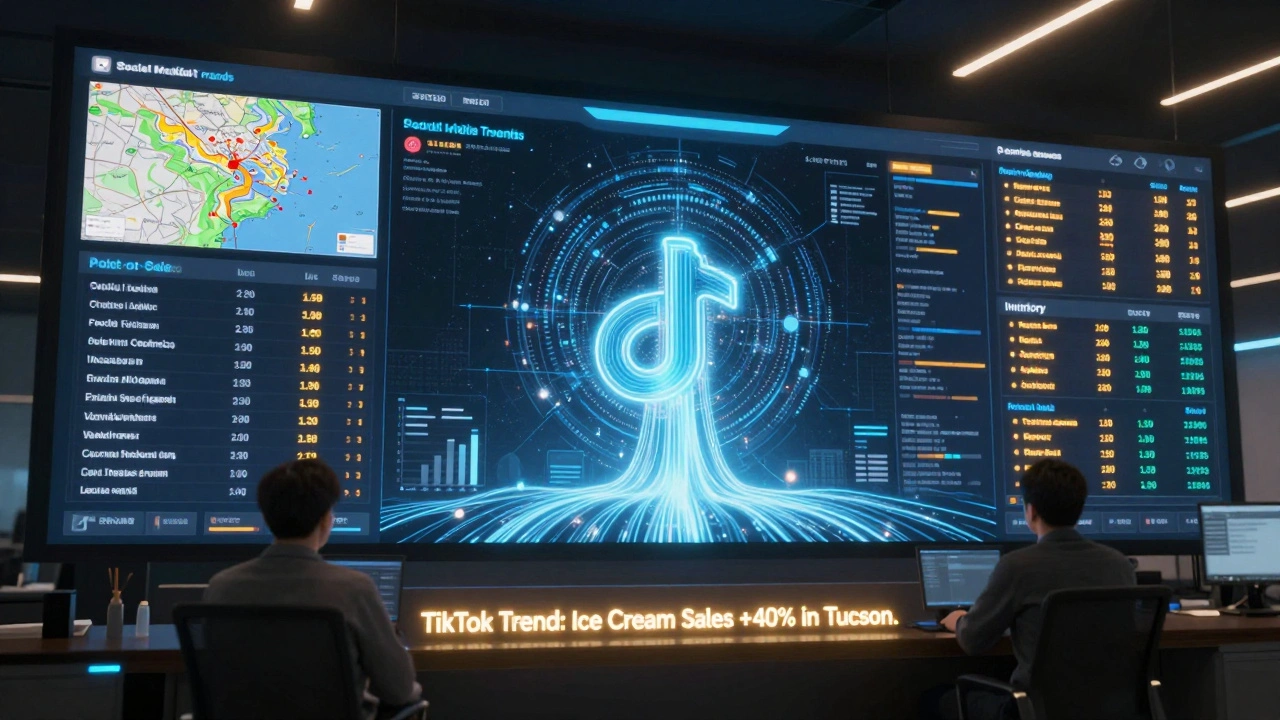
Unlike old-school demand forecasting, which looks backward-using last month’s sales to guess next month’s-demand sensing looks now. It pulls in live data from dozens of sources: point-of-sale systems, weather apps, social media trends, competitor price changes, even local event schedules. Then it uses machine learning to connect the dots. If a heatwave is forecasted for Phoenix, and ice cream sales in Tucson jumped 40% last time this happened, the system doesn’t wait for next week’s report. It adjusts the forecast today.
According to SR Analytics, this approach cuts forecast errors from 10-30% down to 5-15% in the short term. That’s not a small improvement. For a company managing thousands of SKUs across dozens of warehouses, that difference means millions in saved inventory costs and avoided stockouts.
Why Traditional Forecasting Fails in Unstable Markets
Historical data is useful-but only if the past still resembles the present. In 2026, that’s rarely true. A pandemic, a sudden tariff shift, a viral product launch, or a regional power outage can flip demand overnight. Traditional systems update weekly or monthly. They’re built for stability, not chaos.
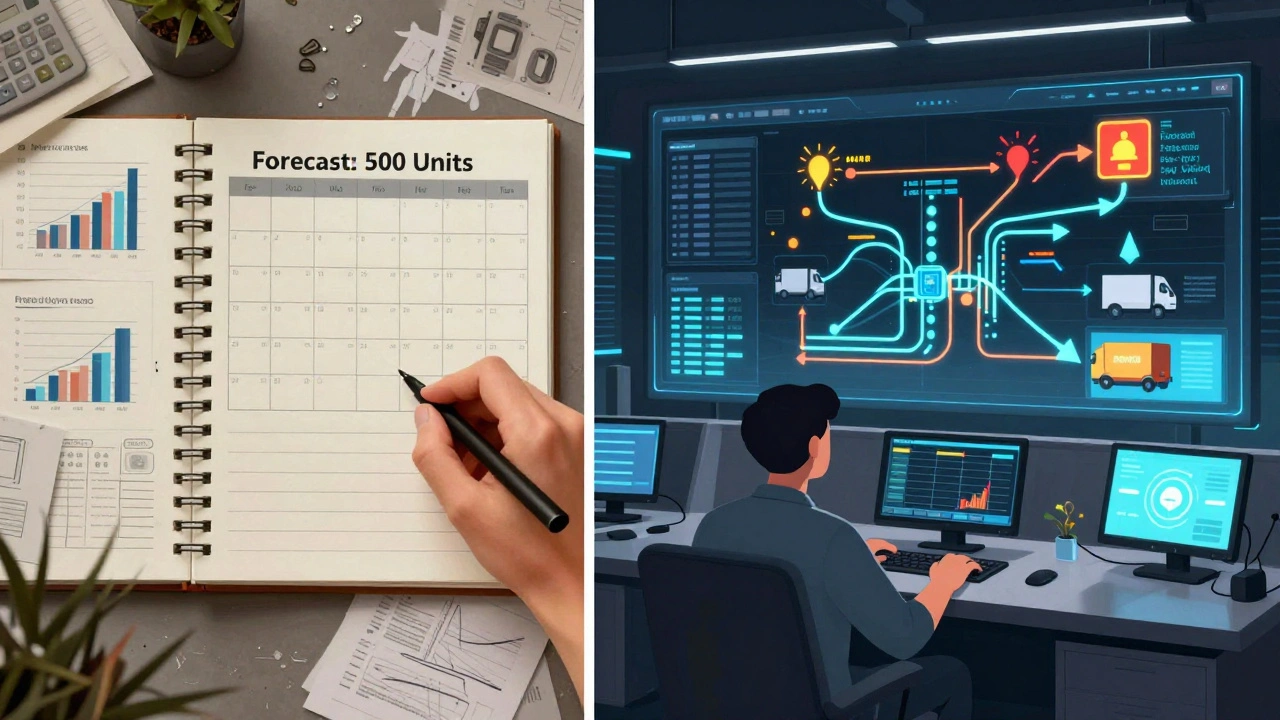
Here’s the problem: if your forecast says you’ll sell 500 units of a product next month, and you order inventory based on that, you’re either overstocked (and tying up cash in unsold goods) or understocked (and losing sales and customer trust). Either way, you’re guessing.
Take Atria, a major food supplier in Northern Europe. Before demand sensing, their weekly forecast accuracy hovered around 85%. Manual adjustments were constant. After implementing real-time sensing, they hit 98.1% accuracy and cut manual tweaking by 13%. Why? Because they stopped relying on last week’s sales. They started reacting to today’s signals: weather changes, delivery delays, even social media buzz around new product flavors.
The Data Behind the Sensing
Demand sensing doesn’t work without data. And not just any data-relevant data. The system doesn’t care that you sold 12,000 units last year. It cares about what’s happening right now.
Internal signals include:
- Real-time point-of-sale transactions
- Inventory levels across distribution centers
- Order fulfillment rates
- Production line output and downtime
External signals are where the magic happens:
- Weather forecasts (heatwaves = more cold beverages)
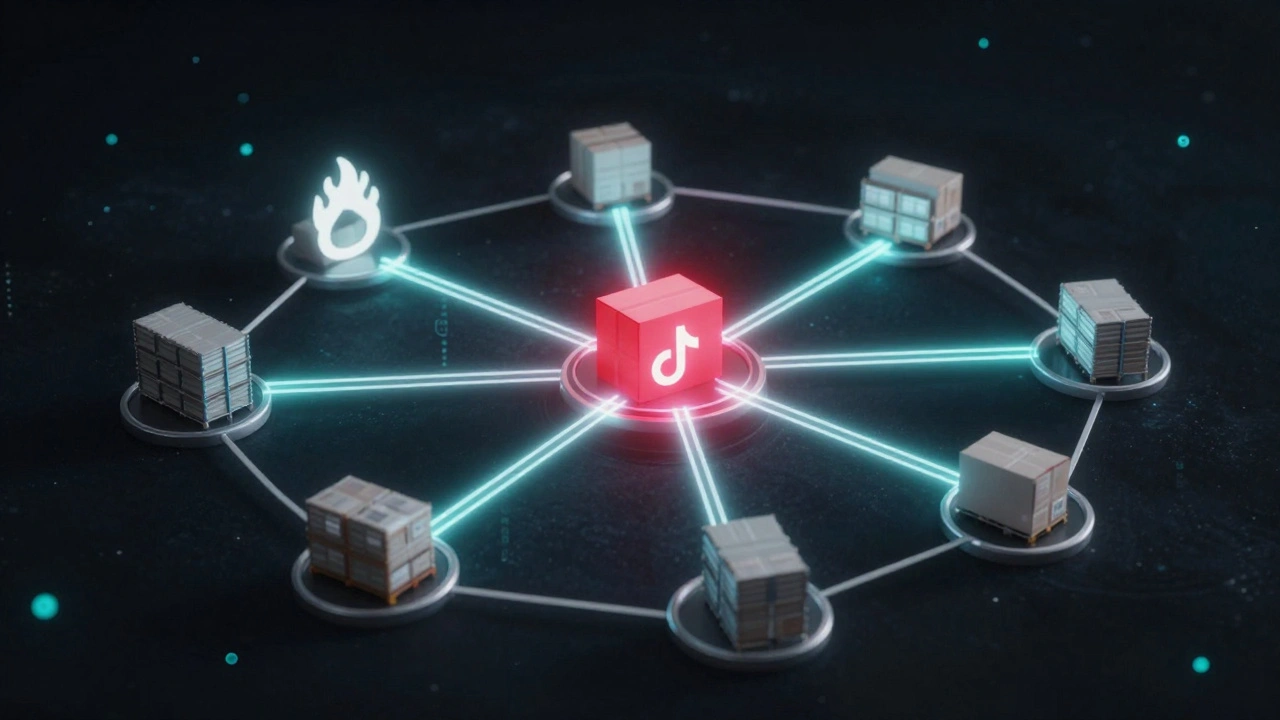
- Social media trends (a TikTok video can spike demand in 48 hours)
- Competitor promotions (if Target drops prices on baby formula, you need to know now)
- Local events (a music festival in Austin? Expect a surge in portable fans and bottled water)
- Economic indicators (fuel prices, unemployment rates, consumer confidence scores)
Here’s the key insight: not all signals matter for all products. Temperature might drive ice cream sales but have zero effect on paper towels. The system learns these relationships automatically. It doesn’t rely on human guesswork. It finds patterns in the noise.
How It Works: Six Steps to Implementation
Building a demand sensing system isn’t plug-and-play. It’s a process. Here’s how companies that succeed do it:
- Data collection: Pull in all relevant internal and external data streams. This means integrating your ERP, POS, CRM, weather APIs, social listening tools, and competitor pricing trackers. If the data isn’t flowing in, the system can’t sense anything.
- Feature engineering: Figure out which signals actually affect demand for each product. This isn’t intuitive. You might assume holiday sales drive everything-but for certain snacks, it’s the weather, not the calendar. The system tests these relationships using historical data.
- Model training: Machine learning models are trained to predict short-term demand-usually at the SKU and location level. A model for bottled water in Florida won’t use the same inputs as a model for winter coats in Minnesota.
- Deployment and governance: Models degrade if they’re not monitored. You need dashboards that track forecast error, flag when models need retraining, and document every change. This isn’t a one-time setup. It’s a living system.
- Integration with planning: The forecast is useless if it doesn’t trigger action. Demand sensing must feed directly into inventory allocation, production scheduling, purchasing, and logistics. If your planner still has to manually adjust numbers, you’re not there yet.
- Organizational alignment: This is the hardest part. Teams need to trust the system. Sales can’t override forecasts because they “feel” demand is up. Finance can’t panic because safety stock dropped 8%. You need process discipline and leadership buy-in.
Accuracy Gains and Financial Impact
Companies that get demand sensing right see measurable results:
- 5-20% improvement in forecast accuracy: This isn’t theoretical. Atria’s 98.1% accuracy is real. For a company with $2 billion in annual sales, a 10% accuracy gain can mean $15-30 million in reduced waste and lost sales.
- 5-10% reduction in safety stock: Traditional planning builds buffers. Demand sensing reduces the need for them by predicting shifts before they become crises. That means less cash tied up in inventory.
- Faster response time: Instead of waiting weeks to react, you adjust within hours. That’s the difference between losing a customer and keeping them.
Amazon, Google, and other logistics leaders use these systems because they can’t afford to be wrong. One missed delivery window costs more than just a refund-it costs trust. And trust is harder to rebuild than inventory.
Complement, Not Replace
Demand sensing doesn’t kill long-term planning. It enhances it.
Traditional forecasting still has value. It helps you plan for next year’s capacity, negotiate long-term supplier contracts, and forecast seasonal trends. But it’s too slow for the short-term chaos.
Think of it this way: traditional forecasting is your GPS map. It tells you the route from New York to Chicago. Demand sensing is your real-time traffic app. It shows you the accident ahead, the detour, the construction zone. You still need the map. But you can’t ignore the traffic.
The best supply chains use both. Long-term plans set the direction. Real-time sensing keeps you on the road.
Who Can Implement This?
You don’t need to be Amazon. But you do need three things:
- Data readiness: Can you pull sales data from every store, warehouse, and channel? Can you access weather, social, and competitor data? If your data is stuck in spreadsheets or siloed systems, start there.
- Process discipline: Are your planning cycles rigid? Do people override forecasts without data? You need rules, not just tools.
- Agility: Can your production, logistics, and purchasing teams respond to a forecast change in 24 hours? If not, you’ll have great insights but no action.
According to SR Analytics, companies that succeed with demand sensing are at Stage 3 demand management maturity. That means they’ve already automated basic forecasting, have consistent data quality, and have cross-functional planning teams. If you’re still struggling with monthly reports, start with data integration before jumping into AI.
The Future Is Real-Time
By 2026, demand sensing isn’t a luxury. It’s table stakes. Markets are too fast, too noisy, too unpredictable for old methods. The companies that win are the ones that turn data into decisions-faster than their competitors.
The next leap? Systems that don’t just predict demand, but automatically adjust orders, reroute shipments, and shift production lines without human input. We’re already seeing pilot programs in logistics hubs where AI triggers restocks based on real-time shelf scans and delivery delays.
If you’re still planning based on last quarter’s numbers, you’re not just behind. You’re at risk.
What’s the difference between demand sensing and traditional forecasting?
Traditional forecasting uses historical sales data updated weekly or monthly to predict future demand. It’s good for long-term planning but too slow for sudden market shifts. Demand sensing uses real-time data-like weather, social media, and competitor pricing-to update forecasts daily or even hourly. It’s designed for short-term agility, not long-term guesswork.
Can small businesses use demand sensing?
Yes, but it depends on data access. Small businesses with digital sales channels, inventory systems, and access to external data (like weather APIs or social listening tools) can start small. Cloud-based platforms now offer demand sensing tools at affordable prices. You don’t need a $10M IT budget-just clean data and a willingness to act on insights.
How long does it take to implement demand sensing?
A basic version can be up and running in 3-6 months if data is already integrated. Full adoption-including process changes and team training-can take 12-18 months. The biggest delays aren’t technical. They’re organizational: getting teams to trust the system and stop overriding forecasts with gut feelings.
What industries benefit most from demand sensing?
Industries with volatile demand and short product lifecycles benefit most: food and beverage, retail, consumer electronics, pharmaceuticals, and seasonal goods. But even manufacturing and B2B suppliers are seeing gains when demand is influenced by external factors like commodity prices, shipping delays, or regional events.
Does demand sensing replace human planners?
No-it frees them. Instead of manually adjusting forecasts or chasing stockouts, planners shift to interpreting signals, managing model performance, and making strategic decisions. The system handles the repetitive work. Humans handle the judgment calls.