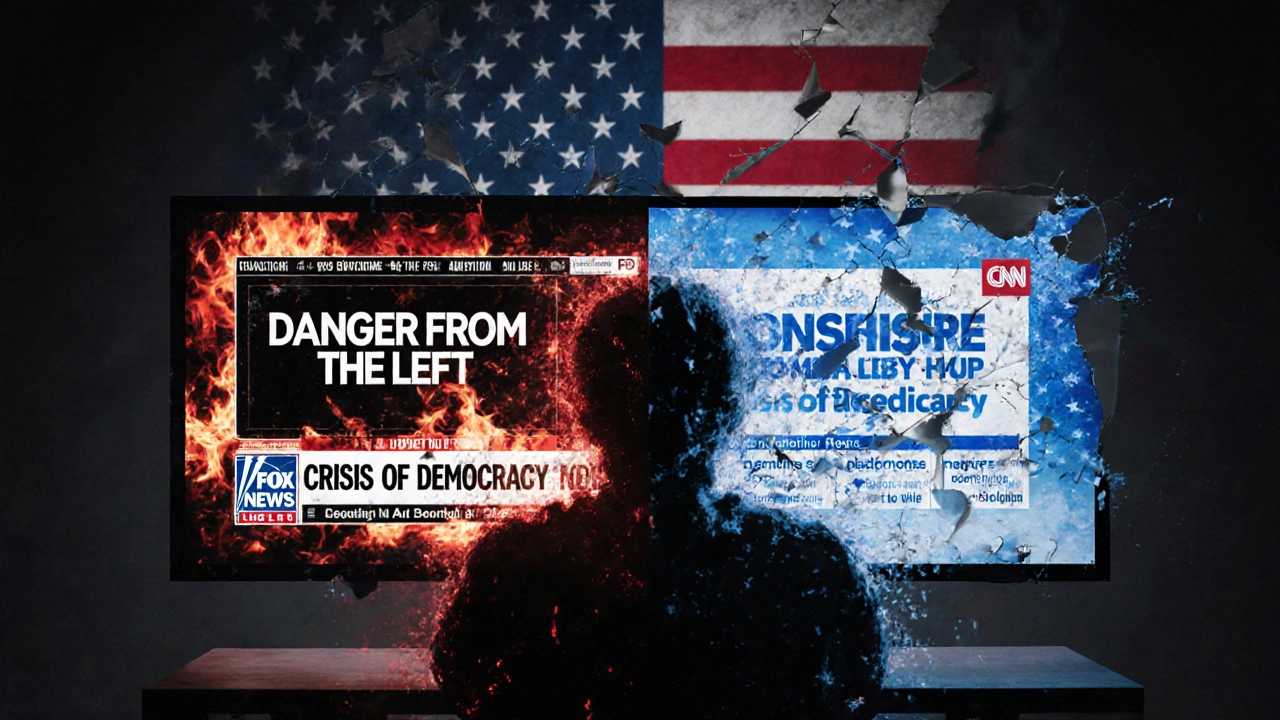
Affective Polarization: How Divided Opinions Are Reshaping Politics and Society
When you think of political disagreement, you might picture debates over tax rates or healthcare plans. But affective polarization, the growing emotional hostility between political groups that turns opponents into enemies. It’s not about policy anymore—it’s about who you are, who you trust, and who you fear. This isn’t just a U.S. problem. From Turkey’s shifting alliances to the EU’s struggle for unity, people are lining up not by ideology, but by identity. You don’t just disagree with the other side—you see them as a threat to your way of life.
partisan animosity, the deep-seated dislike for those in opposing parties is now stronger than loyalty to your own party. Studies show people would rather their child marry someone from a different religion than a different political party. That’s not politics—it’s tribalism. And it’s fueled by algorithms that reward outrage, media that profits from division, and leaders who benefit from fear. social division, the fragmentation of communities along political, cultural, or identity lines shows up everywhere: in workplaces where coworkers avoid talking about elections, in schools where parents boycott events, and in families where Thanksgiving dinners turn into battlegrounds.
What makes affective polarization dangerous isn’t just the anger—it’s the blindness. When you see the other side as evil or stupid, you stop listening. You stop trusting institutions. You stop believing facts that don’t match your side’s story. That’s why countries with high levels of affective polarization struggle to respond to crises—whether it’s climate change, public health, or economic collapse. You can’t build a cool roof or a vaccine hub if half the population thinks the other side is lying about the problem.
And here’s the twist: affective polarization isn’t getting better. It’s spreading. Even in places like Estonia and Latvia, where population loss and economic stress are already pushing people to the edge, political identity is becoming a sharper line than nationality. In the U.S., it’s tearing apart local governments. In Europe, it’s weakening support for Ukraine aid. In Brazil, India, and beyond, it’s turning elections into referendums on hatred.
But it’s not inevitable. Some communities are fighting back—with town halls that focus on shared needs, not slogans. With leaders who admit mistakes instead of doubling down. With policies that address real pain—childcare, wages, housing—instead of culture wars. The posts below show how these forces are playing out in real time: how defense spending in Turkey reflects deeper identity conflicts, how climate migration is deepening divides, how AI in government is either healing or worsening distrust. You’ll see how union contracts protect workers not just from layoffs, but from being dehumanized by the system. How green finance and tech hiring aren’t just economic moves—they’re social ones.
What you’re about to read isn’t just news. It’s a map. A map of where division is strongest, where it’s being challenged, and what’s actually working to bring people back together. Because if we don’t fix affective polarization, no policy, no technology, no treaty will save us.