Medicare Funding Timeline Calculator
Current Situation
Based on current trends from the article
Your Scenario
Adjust variables to see different outcomes
Projected Timeline
Medicare Trust Fund depleted by 2033
This would save $5.2 billion in annual costs compared to current projections
Prevention Impact: Increasing prevention spending by 0.5% could delay depletion by 1.7 years and save $4.7 billion annually.
By 2030, one in five Americans will be over 65. That’s not a distant forecast-it’s the next five years. Right now, over 61 million people in the U.S. are in that age group, and by 2050, that number will jump to nearly 84 million. This isn’t just a numbers game. It’s a full-scale rewrite of how healthcare works. Hospitals, clinics, insurers, and caregivers are all scrambling to keep up. And the truth? We’re not ready.
The Workforce Can’t Keep Up
Think about the last time you visited a doctor. Now imagine that doctor is over 60, has been working 60-hour weeks for 20 years, and is one of the last ones left in their field. That’s not a hypothetical. It’s happening everywhere. The number of workers supporting each Medicare beneficiary has dropped from four in 1980 to just 2.8 today. By 2034, it’ll be 2.4. That means fewer people paying into the system while more people pull out.The shortage isn’t just in doctors. It’s in nurses, home health aides, physical therapists, and social workers. In Wisconsin, the population over 75 is expected to grow by 41% by 2030. But the number of home health aides? It’s not even close to matching that. Training programs are slow. Pay is low. Burnout is high. And when you’re caring for someone with dementia, heart failure, and depression all at once, you need more than a tired nurse-you need a whole team.
And yet, we keep asking the same people to do more. Hospitals are cutting staff. Home care agencies are turning away patients because they can’t find workers. The gap isn’t getting smaller. It’s widening. And no amount of tech can replace the human touch when someone’s scared, confused, or alone.
Medicare Is Running Out of Time
Medicare spent over $1 trillion in 2024. That’s more than the entire GDP of Poland. And it’s only going up. By 2055, Medicare spending could hit 5.2% of the entire U.S. economy. That’s not sustainable. The Hospital Insurance Trust Fund-the part that pays for hospital stays-is projected to run out of money by 2033. That’s seven years from now.Why? Because older people cost more. A person over 85 uses nearly twice as much Medicare money as someone between 65 and 74. Per-person spending for those over 85 is 8.5 times higher than for children. That’s not because they’re wasting care. It’s because they’re sicker. They need more tests, more meds, more visits, more surgeries, more rehab.
And it’s not just Medicare. Employers are dropping coverage. Families are skipping prescriptions. Nearly half of U.S. adults say they can’t afford care. That’s not a luxury problem. It’s a survival problem. When someone can’t afford their blood pressure pills, they end up in the ER. And ER visits cost ten times more than a monthly prescription.

Prevention Is the Only Way Out
We’ve been treating illness like a fire-wait for it to burn, then send in the trucks. But what if we stopped waiting? What if we started building firebreaks?Prevention isn’t a buzzword. It’s a math problem. A person who walks 30 minutes a day, eats real food, sleeps well, and gets their blood sugar checked regularly is far less likely to end up in a nursing home. But right now, Medicare spends less than 2% of its budget on prevention. That’s insane.
Communities that have invested in prevention are seeing results. In Albuquerque, a program that sends nurses and nutritionists into homes for seniors with diabetes cut hospital admissions by 37% in two years. In Oregon, a community-based program that pairs older adults with peer health coaches reduced depression rates by 42%. These aren’t flukes. They’re proof that small, consistent interventions save money and lives.
Prevention means more than flu shots. It means checking for loneliness. It means making sure someone can get to the pharmacy. It means helping them fix their stairs so they don’t fall. It means listening when they say they’re tired all the time-because that might not be aging. That might be depression, or sleep apnea, or a bad drug interaction.
The Shift to Home-Based Care
Hospitals aren’t going away. But they’re no longer the center of care. By 2035, home-based services are expected to grow 32%. That’s bigger than any other care setting. Why? Because older people don’t want to live in a hospital. They want to live in their own homes-with their cats, their photos, their routines.Home health is growing fast. So is telehealth. In 2026, nearly one in five doctor visits for seniors happens over video. Remote monitors track heart rate, oxygen levels, and even falls. AI alerts caregivers when something’s off-like a sudden drop in movement or a missed medication. That’s not sci-fi. It’s happening in real homes right now.
But tech alone won’t fix this. You need people. A robot can’t hold someone’s hand when they’re scared. A sensor can’t tell if someone hasn’t eaten in three days because they’re too depressed to cook. That’s why the best home-based models combine tech with trained human workers who show up, listen, and stay.
Age-Friendly Systems Are the Future
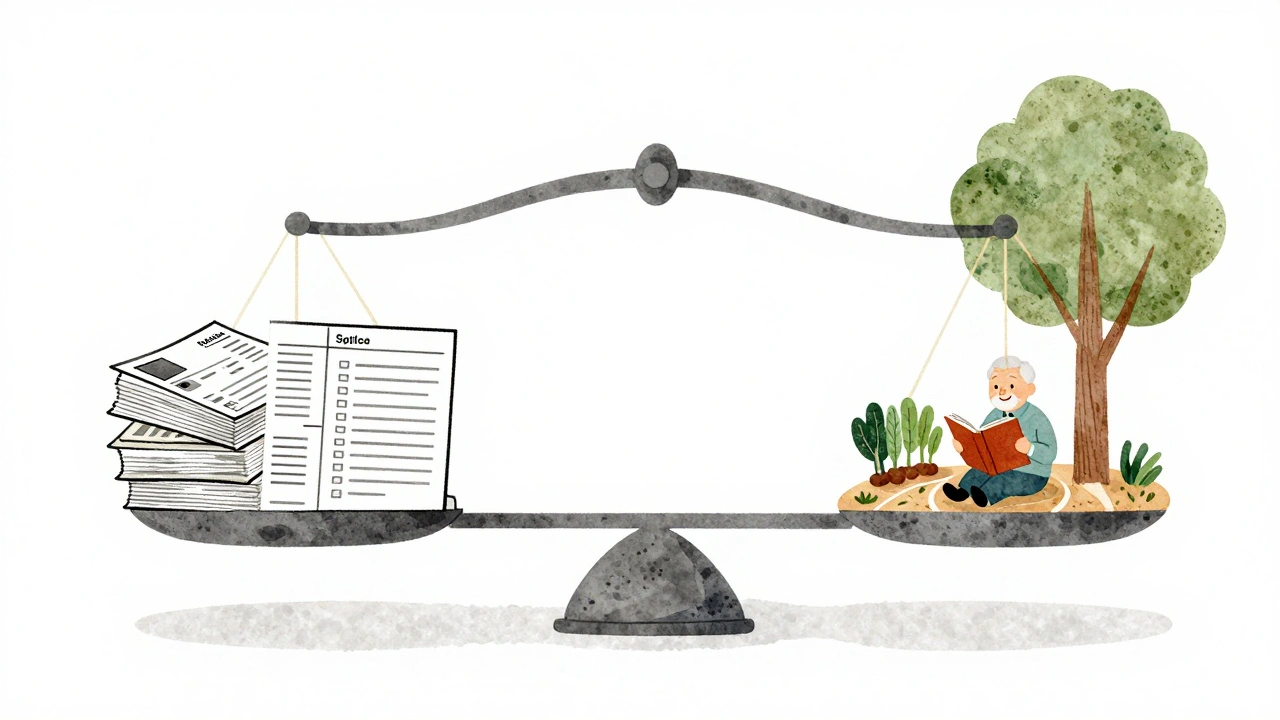
The Institute for Healthcare Improvement calls it “age-friendly health systems.” That’s not a marketing term. It’s a checklist:- Does the care team know what medications the patient is really taking?
- Are they checking for depression, memory loss, or social isolation?
- Can the patient get to appointments without a car or a ride-share?
- Do they understand their diagnosis in plain language?
- Are they involved in their own care plan?
It sounds simple. But most healthcare systems still treat older adults like broken machines that need fixing. Age-friendly care treats them like people who still have goals-like seeing their grandkids, walking in the garden, or reading a book without glasses.
Hospitals that have adopted this model report fewer readmissions, fewer ER visits, and higher patient satisfaction. It’s not about being nice. It’s about being smart. When you design care around what matters to older adults, you save money, reduce waste, and restore dignity.
The Global Picture
This isn’t just an American problem. The World Health Organization says people over 60 now outnumber children under five worldwide. In Japan, over 30% of the population is over 65. In Italy, it’s 24%. Even countries with younger populations-like Nigeria and India-are seeing rapid aging. The systems that work in the U.S. won’t work everywhere. But the lessons will.The key insight? Aging isn’t a crisis. It’s a redesign opportunity. We don’t need more hospitals. We need better coordination. We don’t need more doctors. We need better teams. We don’t need more money. We need smarter spending.
Every country will face this. The question is: Will we build systems that care for people as they age-or just patch together a failing model until it collapses?
Why is Medicare running out of money?
Medicare is running out of money because the number of people using it is growing faster than the number of workers paying into it. In 1980, four workers supported each Medicare beneficiary. Today, it’s 2.8. By 2034, it’ll be 2.4. At the same time, older adults use far more care-especially those over 85, who cost nearly twice as much as those in their mid-60s. The Hospital Insurance Trust Fund, which covers hospital stays, is projected to be empty by 2033 because of this imbalance.
Can technology solve the healthcare workforce shortage?
Technology helps, but it doesn’t replace people. Remote monitors, AI alerts, and telehealth can extend the reach of nurses and doctors, especially in rural areas. But no app can comfort someone who’s lonely or help them eat when they can’t afford groceries. The best solutions combine tech with human care-like a nurse who visits weekly, checks for depression, and calls a food program when needed.
Why is prevention so cheap compared to hospital care?
Prevention costs less because it stops problems before they become emergencies. A $50 blood pressure check prevents a $20,000 heart attack hospitalization. A $100 home safety visit prevents a $100,000 fall-related surgery. Studies show that every $1 spent on prevention saves $5 to $10 in future care costs. But most health systems still spend less than 2% of their budget on prevention because they’re paid to treat illness, not prevent it.
What’s the difference between home-based care and nursing homes?
Home-based care means medical services-like wound care, physical therapy, or medication management-come to the person’s house. It’s personalized, flexible, and lets people stay in familiar surroundings. Nursing homes are residential facilities that provide 24/7 care but often separate people from family, pets, and routines. Home-based care is growing fast because it’s cheaper, safer, and preferred by older adults. Nursing homes are still needed for those with severe dementia or mobility issues, but they’re no longer the default.
How can communities prepare for aging populations?
Communities can start by mapping who’s at risk: people living alone, with limited income, or with chronic illness. Then they can build networks: volunteers for rides, food delivery, wellness checks. They can train local clinics in age-friendly practices. They can partner with libraries, churches, and senior centers to offer health screenings. The goal isn’t to build more hospitals-it’s to make sure no one has to choose between food, medicine, and safety.