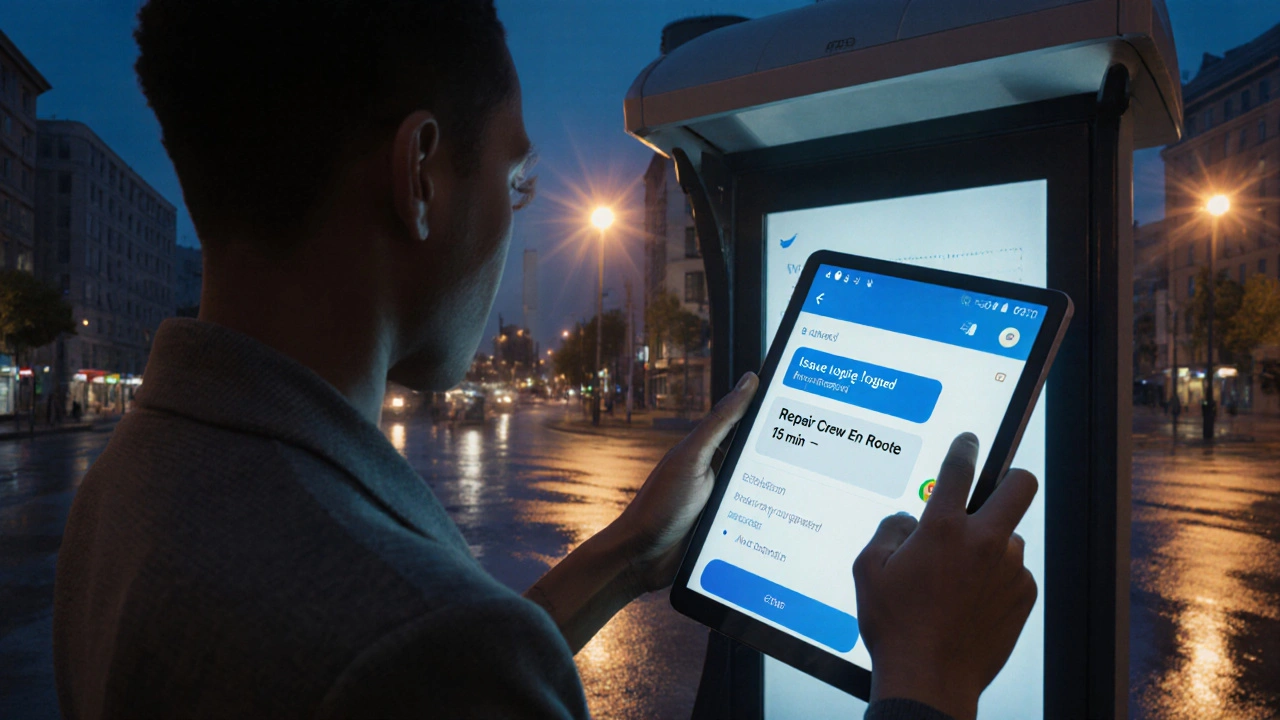
AI Ethics: Fairness, Accountability, and the Real Risks of Automated Decision-Making
When we talk about AI ethics, the set of principles guiding how artificial intelligence systems should be designed, deployed, and monitored to avoid harm and uphold human rights. Also known as ethical AI, it’s not a wishlist—it’s a necessity when algorithms decide who gets a loan, who gets hired, or who gets flagged by police. This isn’t science fiction. It’s happening right now in courtrooms, hospitals, and job portals.
Algorithmic bias, the tendency of AI systems to produce results that reflect and amplify existing social inequalities shows up in hiring tools that downgrade resumes with women’s colleges, or risk-assessment software that labels Black defendants as higher risk—even when they’re less likely to reoffend. These aren’t glitches. They’re the result of training data that mirrors historical discrimination. And when you layer in automated decision-making, the use of AI systems to make consequential choices without meaningful human oversight, the damage becomes invisible and hard to challenge. Who do you call when a computer denies you housing? There’s no manager to talk to, no appeal process built in.
AI accountability, the clear assignment of responsibility for AI outcomes to people or organizations is still missing in most cases. Companies point to the code. Engineers point to the data. Regulators point to the lack of laws. Meanwhile, people lose jobs, get denied care, or end up in jail because of systems no one is held accountable for. That’s why machine learning fairness, the practice of designing AI systems that treat different groups equitably across race, gender, income, and geography isn’t optional—it’s the baseline for any system that touches real lives.
What you’ll find below aren’t theoretical debates. These are real stories from Turkey’s defense diplomacy to climate migration, from vaccine equity to unionized workforces—where AI is quietly shaping outcomes. Some posts show how bias creeps into public systems. Others reveal how companies are starting to fix it. You’ll see how data transparency, human oversight, and legal frameworks are being tested in the real world—not in labs, but in neighborhoods, hospitals, and courtrooms. This isn’t about stopping AI. It’s about making sure it doesn’t stop you.