Black Sea Security: Geopolitics, Military Moves, and Regional Stability
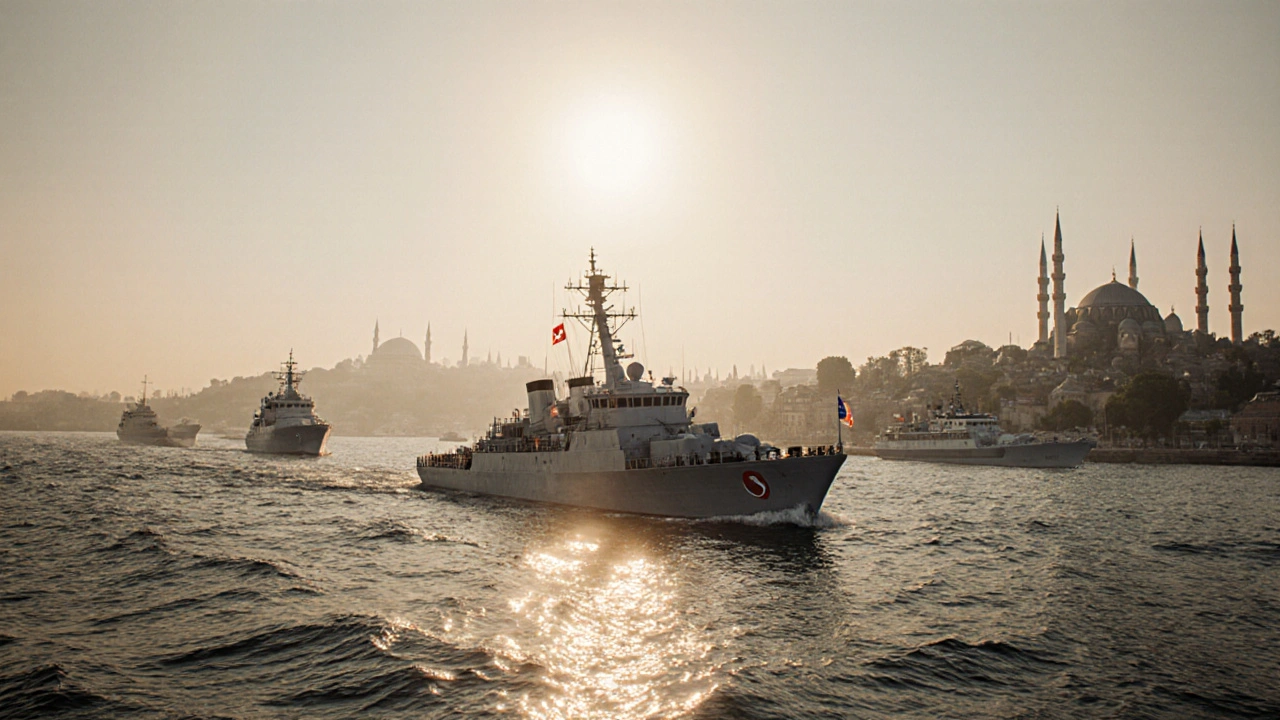
When we talk about Black Sea security, the strategic control and stability of the Black Sea region, which connects Eastern Europe, the Caucasus, and Turkey. Also known as Black Sea regional security, it’s become one of the most volatile flashpoints in Europe since Russia’s full-scale invasion of Ukraine. This isn’t just about naval patrols or border fences—it’s about who controls the waterways, who supplies the energy, and who can move troops without warning. The Black Sea isn’t just a body of water; it’s a chokepoint for global grain exports, a corridor for Russian naval power, and a testing ground for NATO’s ability to respond without triggering wider war.
Key players like NATO, a military alliance formed to defend member states against aggression, now directly manages security operations along the Black Sea’s western and northern shores are stepping up patrols, stationing more ships, and training Ukrainian forces. Meanwhile, EU defense integration, the effort by European Union members to build independent military capabilities outside U.S. leadership is being pushed forward by countries like Romania and Bulgaria, who feel exposed. Russia, on the other hand, has turned Crimea into a heavily armed fortress and uses its navy to block shipping lanes, disrupt grain deals, and test how far the West will push back. The result? A region caught between deterrence and desperation.
What you won’t hear in headlines is how this affects everyday people—fishing communities losing access to traditional waters, ports sitting empty because insurers won’t cover shipments, and civilians caught in the crossfire of drone strikes near Odesa. It’s not just about tanks and missiles. It’s about food prices in Cairo, energy bills in Berlin, and whether a country like Georgia can stay neutral without being squeezed. The posts below dig into the real stakes: how defense spending is shifting, why cyberattacks on port systems are rising, how humanitarian aid gets blocked, and whether Europe can really build its own security without relying on Washington. You’ll find analysis on military buildups, diplomatic efforts, and the quiet ways ordinary life is being rewritten by this conflict. No fluff. Just what’s happening, who’s involved, and what it means for the future of the region.