Citizen Engagement AI: How Technology Is Transforming Public Participation
When citizen engagement AI, the use of artificial intelligence to involve the public in decision-making processes. Also known as civic AI, it helps governments hear from more people, faster, and with less bias than traditional town halls or surveys. This isn’t science fiction—it’s already happening in cities from Barcelona to Seoul, where AI analyzes public feedback from text, voice, and social media to spot real concerns before they turn into protests.
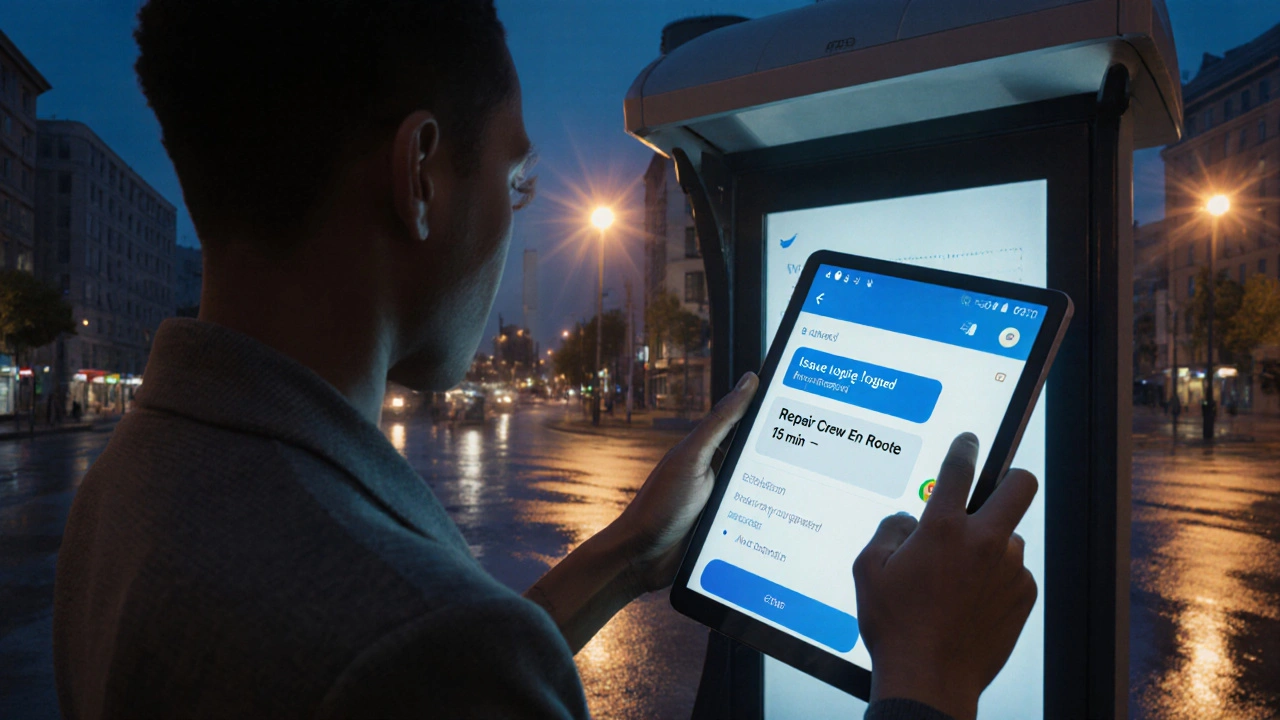
It’s not just about collecting opinions. digital democracy, the use of online tools to enable direct public input in governance is turning passive voters into active participants. Platforms now use natural language processing to group thousands of comments into themes—like traffic safety or school funding—so officials don’t have to read every single one. Meanwhile, civic tech, software built specifically to improve how citizens and governments work together is giving people apps to report potholes, vote on budget priorities, or join virtual town halls without leaving their homes. These tools don’t replace human judgment—they make it better by giving leaders data-rich insights instead of noisy anecdotes.
But it’s not all smooth sailing. Some systems still favor tech-savvy users, leaving behind older populations or those without reliable internet. And when AI misreads sarcasm or ignores minority voices, trust breaks down faster than it builds. That’s why the most successful projects pair AI with human moderators, clear rules, and transparency about how decisions are made. The goal isn’t automation—it’s inclusion. Real citizen engagement AI doesn’t just count votes or comments. It listens, learns, and adapts.
What you’ll find below are real cases where this tech made a difference: from neighborhoods using AI to prioritize infrastructure spending, to regions that cut response times to public complaints by 70% using smart filtering. These aren’t theoretical experiments. They’re working solutions—flaws and all—that are changing how power flows between people and institutions.