Cool Roofs: How Reflective Surfaces Cut Energy Use and Fight Urban Heat
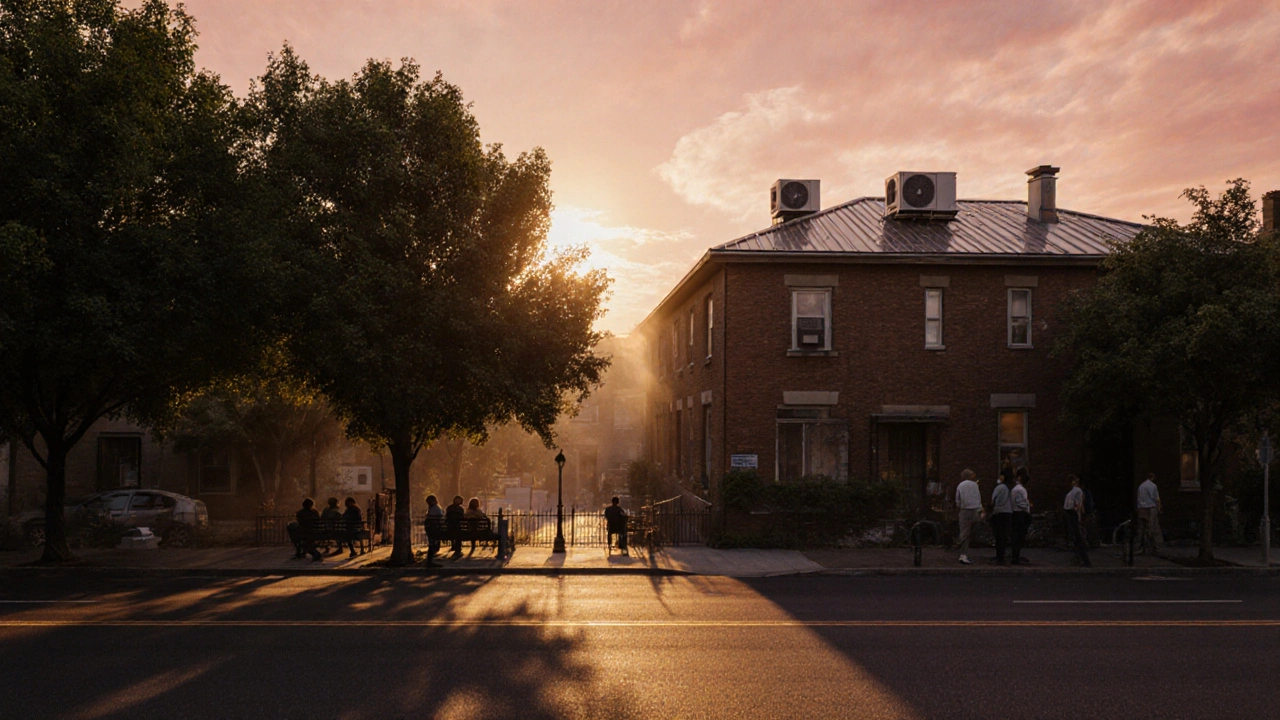
When you think of a roof, you probably picture shingles, tiles, or metal—but cool roofs, a type of roofing designed to reflect more sunlight and absorb less heat than standard roofs. Also known as reflective roofing, they’re not just about looks—they slash cooling costs, reduce strain on power grids, and help fight the urban heat island, a phenomenon where cities become significantly hotter than surrounding rural areas due to absorbed heat from buildings and pavement. In places like Los Angeles, Phoenix, and even parts of Europe, cities are mandating cool roofs on new buildings because they can lower rooftop temperatures by up to 50°F compared to traditional dark roofs.
Cool roofs work by using materials with high solar reflectance and thermal emittance. That means they bounce back sunlight instead of soaking it up, and then they release any absorbed heat quickly. This isn’t magic—it’s physics. White or light-colored coatings, reflective tiles, and even special membranes can turn a regular roof into a heat blocker. And it’s not just for new builds. Many older buildings are being retrofitted with reflective coatings that cost a fraction of a full roof replacement. The result? Lower air conditioning use, fewer power outages during heatwaves, and cleaner air from reduced fossil fuel burning. Cities with strong cool roof policies, like New York and Tokyo, have seen measurable drops in summer energy demand. But it’s not just about saving money. Cool roofs also help vulnerable populations—elderly residents, low-income households, and outdoor workers—stay safer when temperatures spike.
What ties these ideas together? It’s the link between building sustainability, the practice of designing and maintaining structures to minimize environmental impact over their lifetime. and energy efficiency, the goal of using less energy to perform the same tasks, reducing waste and emissions. Cool roofs are one of the simplest, cheapest, and most effective tools in that toolkit. They don’t need solar panels or wind turbines. They just need the right materials and the right policies. And they’re already making a difference in real cities, not just theory.
Below, you’ll find real-world examples of how cool roofs are being adopted, the policies driving them, and the unexpected benefits they bring—from cutting emissions to improving public health. These aren’t hypotheticals. They’re happening now, in places you might not expect.