Government Chatbots: How AI Is Changing Public Services and Citizen Engagement
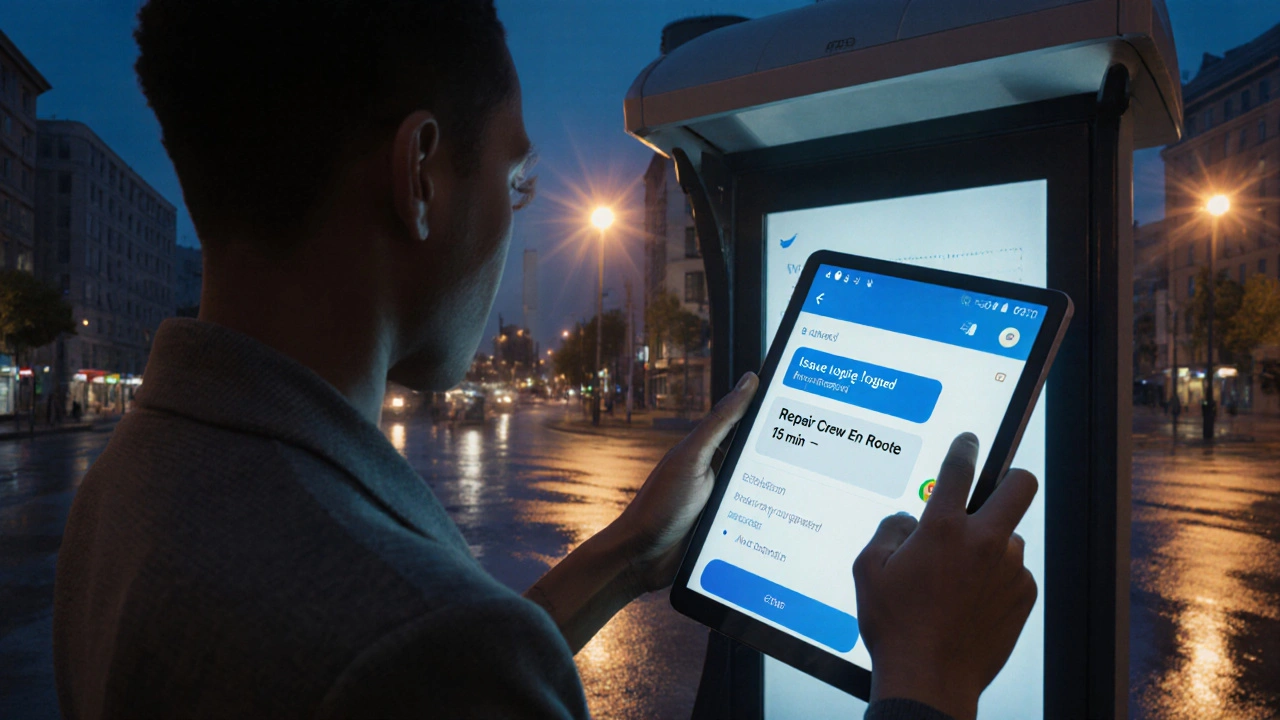
When you need to renew a license, check your benefits status, or report a pothole, you’re not calling a human anymore—you’re talking to a government chatbot, an automated AI system used by public agencies to handle routine citizen inquiries and services. Also known as public service chatbots, these tools are now the first point of contact for millions of people trying to navigate bureaucracy without waiting on hold. They don’t get tired, they don’t need lunch, and they can answer the same question 10,000 times without losing patience. But they’re not just convenience tools—they’re reshaping how governments deliver services at scale.
Behind every effective government chatbot is a mix of public service automation, the use of technology to reduce manual work in civic operations, and citizen engagement, how governments build trust and interaction with the people they serve. Cities like Boston and Helsinki use chatbots to guide residents through housing applications, while national agencies in Canada and Australia deploy them to explain tax rules or immigration steps. These systems don’t replace humans—they free them up to handle complex cases, like helping a veteran navigate disability claims or supporting a family in crisis. The real win? Faster responses, fewer errors, and less frustration for people who just want a clear answer.
But it’s not just about efficiency. When a chatbot gives you the wrong info because it doesn’t understand your accent or dialect, that’s a failure of design—not technology. The best systems learn from real user behavior, adapt to local slang, and integrate with backend databases so your request actually gets processed. That’s why successful deployments rely on digital government, the modernization of public services through integrated tech platforms—not just slapping an AI bot on a website. It means connecting chatbots to social services, tax records, and health databases so one question triggers real action. And it means testing with real people, not just IT teams.
What you’ll find below aren’t theoretical ideas. These are real cases—how a small town in Georgia cut call center costs by 60% using a simple chatbot, how Spain’s national portal handles 2 million queries a month, and why some governments are pulling back because the tech wasn’t built for the people it was meant to serve. There’s no magic here. Just smart design, honest data, and a focus on what actually helps someone standing in line, scrolling on their phone, or crying over a lost benefit letter. This isn’t the future of government. It’s the present—and it’s working, or failing, right now.