Green Innovation: Climate Finance, Clean Tech, and the Real Shifts Driving Change
When we talk about green innovation, the practical application of technology, policy, and finance to reduce environmental harm and build resilient systems. Also known as sustainable innovation, it's not just about electric cars or reusable bags—it’s about reengineering how economies work at the deepest level. This isn’t a trend. It’s a rewrite of the rules. Countries and companies that still treat climate action as a cost center are falling behind. Those building green finance, financial systems designed to fund projects with measurable environmental benefits are pulling ahead. The $2.9 trillion in green bonds issued so far isn’t just a number—it’s a signal that capital is moving. And it’s not just about renewables anymore. It’s about how steel is made, how crops are grown, how cities cool down, and who gets paid when disasters hit.
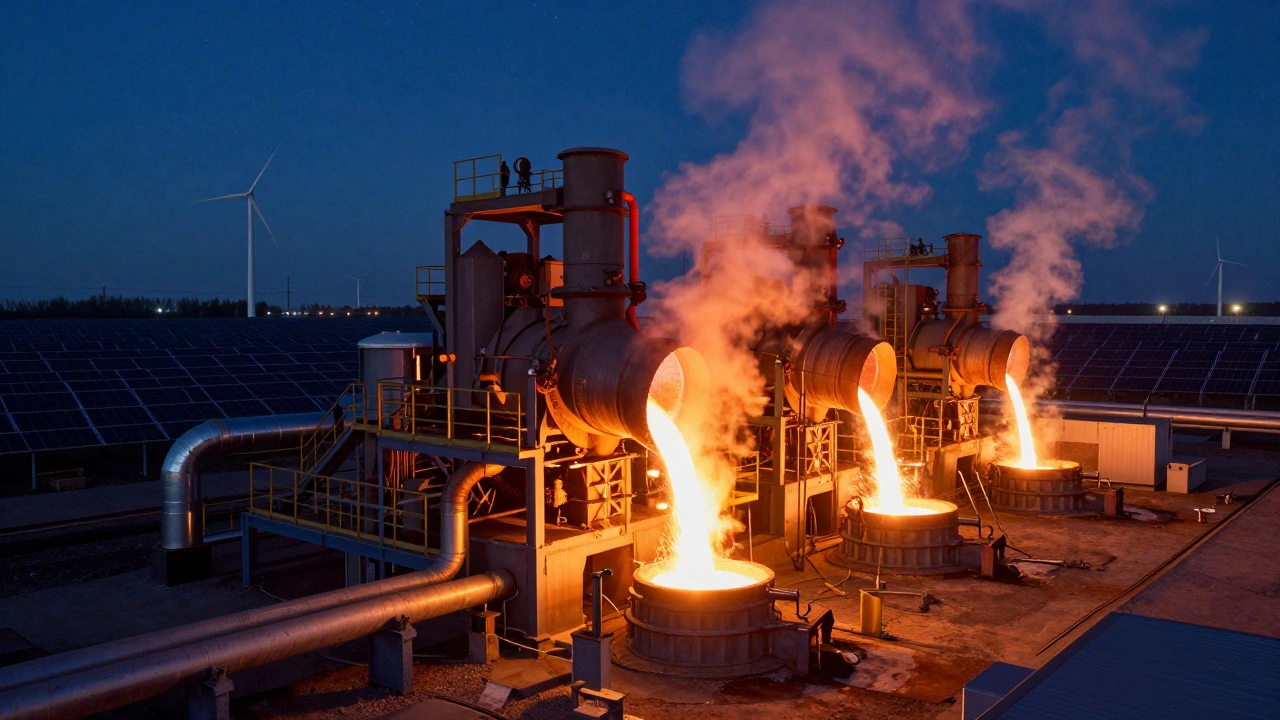
Real green innovation requires more than good intentions. It needs transition finance, funding that helps high-emitting industries shift to low-carbon operations without collapsing. Think coal plants becoming hydrogen hubs, or farms using AI to slash fertilizer waste. These aren’t sci-fi dreams. They’re happening in Europe, Canada, and parts of the U.S., backed by institutions like the Green Climate Fund, a multilateral body that channels money from wealthy nations to vulnerable regions for climate adaptation and mitigation. But here’s the catch: without clear rules, green finance becomes a playground for greenwashing. That’s why frameworks like the EU AI Act and NIST guidelines are now being adapted for climate finance—standardization is the only way to stop fake solutions from stealing real funding.
What you’ll find in this collection isn’t fluff. It’s the gritty, real-world stuff: how loss-and-damage funds are finally getting structured after years of delays, how climate-aligned bonds are being used to rebuild Ukraine’s energy grid, and why Israel’s deep-tech startups are outpacing bigger nations in clean energy R&D. You’ll see how rural towns are using green infrastructure to pull people back, how central banks are factoring climate risk into monetary policy, and why the next wave of innovation isn’t coming from Silicon Valley—it’s coming from Belém, Jakarta, and Nairobi. This isn’t about saving the planet in some abstract way. It’s about who gets to thrive when the old systems break down. And the answers are already here—in the data, the deals, and the policies that actually work.