Loss and Damage Fund: How Climate Finance Is Helping Vulnerable Nations Recover
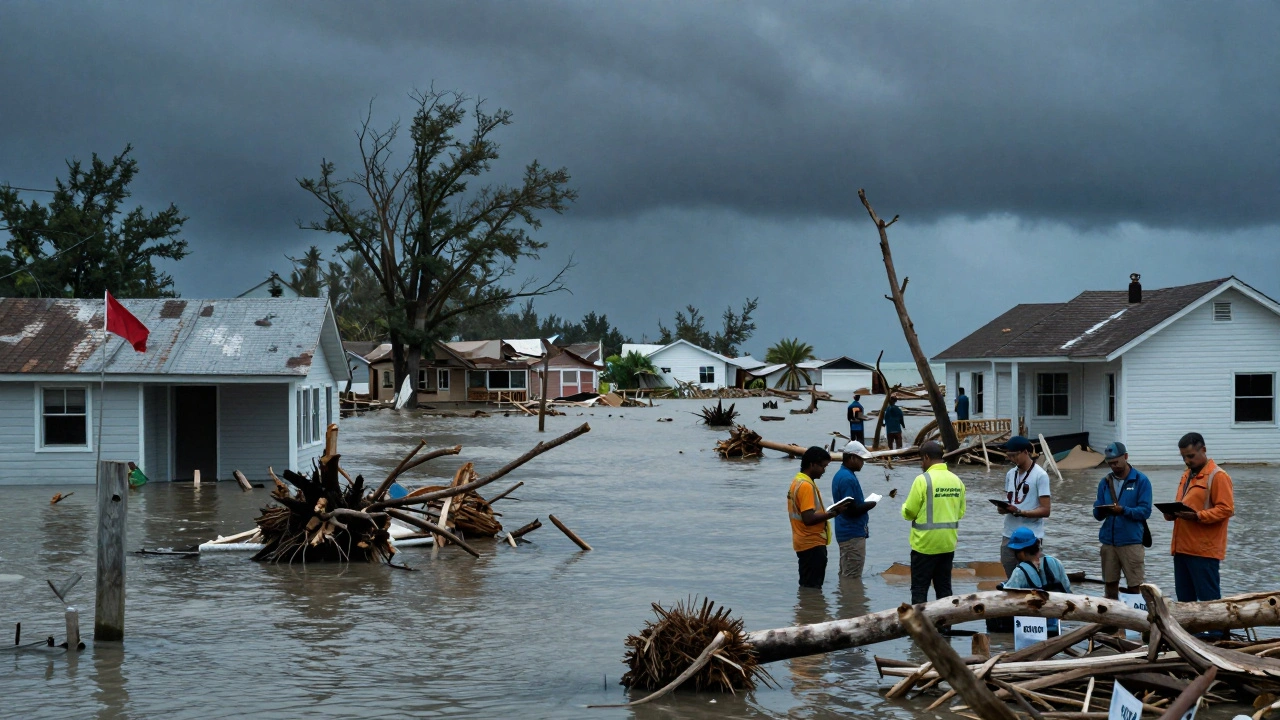
When extreme weather wipes out homes, crops, and entire communities, the people who did the least to cause climate change often pay the highest price. That’s where the loss and damage fund, a global financial mechanism created to support countries recovering from climate-driven disasters they didn’t cause. Also known as climate reparations, it’s the first time the world has formally acknowledged that some nations need more than promises—they need real money to rebuild. This isn’t charity. It’s accountability. The fund was officially launched at COP27 in 2022 after decades of pressure from small island states, African nations, and other vulnerable regions. It’s not about future prevention—it’s about fixing what’s already broken.
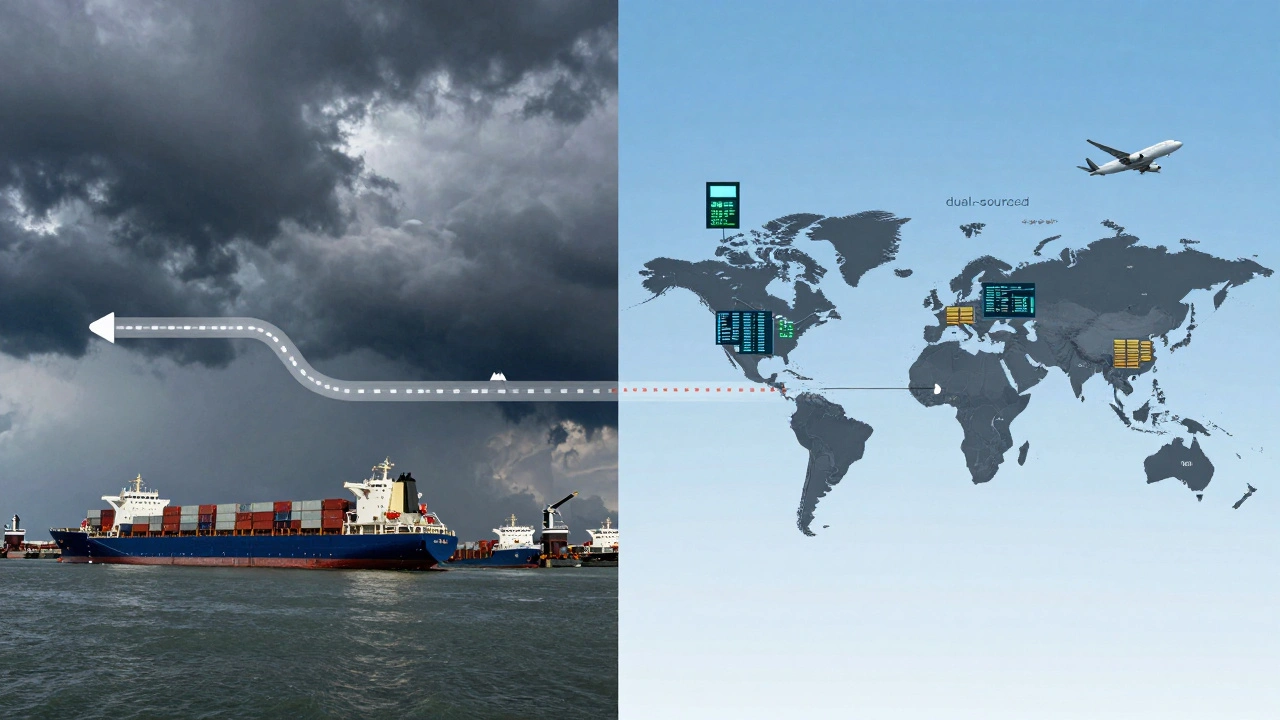
The climate finance, the flow of money from wealthy to developing nations to address climate change impacts behind this fund is different from traditional aid. It’s tied directly to verified losses: flooded villages in Pakistan, salted farmland in Bangladesh, drought-stricken herding communities in the Sahel. Unlike green bonds or carbon credits, this money doesn’t require repayment or offsets. It’s grants—no strings attached—to cover things like rebuilding schools, restoring water systems, or relocating entire towns. The climate justice, the principle that those most affected by climate change should lead the response and receive fair support movement pushed hard for this. It’s not just about weather events—it’s about power, history, and who gets to decide who gets help.
Some countries have already started receiving payouts. The fund’s first wave of grants went to nations like Vanuatu, which lost 200% of its GDP to Cyclone Harold, and Pakistan, where floods submerged a third of the country in 2022. But the system is still young. Questions remain: Who decides who qualifies? How fast can money move after a disaster? Will wealthy nations keep funding it, or will promises fade after headlines disappear? The climate adaptation, the process of adjusting to unavoidable climate impacts to reduce harm efforts in these countries are already happening—schools are being built on stilts, farmers are switching to salt-tolerant crops, and communities are mapping flood zones. But without funding, those efforts stall.
What you’ll find in this collection are real stories from the frontlines: how a small island nation negotiated its first payout, how a drought in Kenya forced a government to rethink its entire budget, and why some countries are refusing to accept loans disguised as grants. These aren’t abstract policy debates—they’re about mothers choosing between feeding their kids or repairing their roof after a hurricane. This isn’t the future of climate action. It’s the present. And it’s already here.