Supply Chain Resilience Calculator
Strategic Inputs
Resilience Assessment
Resilience Score
62
Resilience Level: Moderate
Optimize dual sourcing for high-risk components only
Cost & Risk Analysis
Dual Sourcing Impact
+22-35% administrative costs
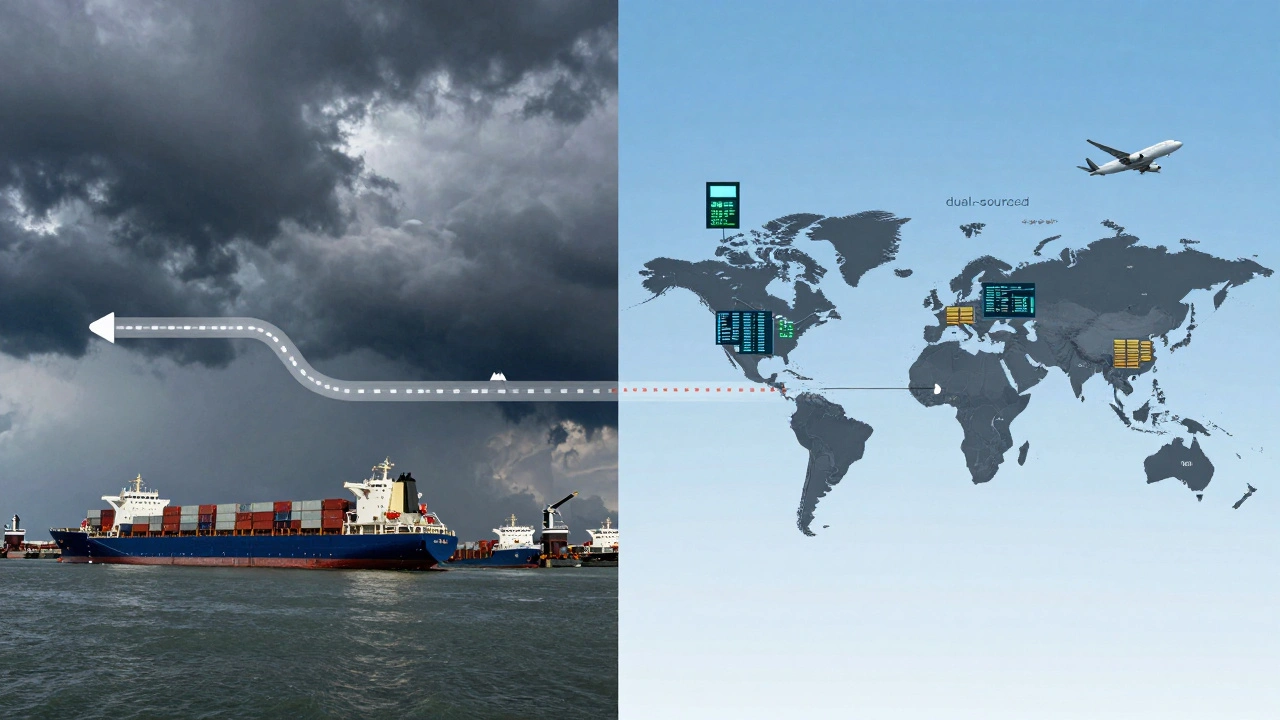
47% fewer disruptions with dual sourcing
Inventory Buffer Impact
-29% inventory costs with dynamic buffers
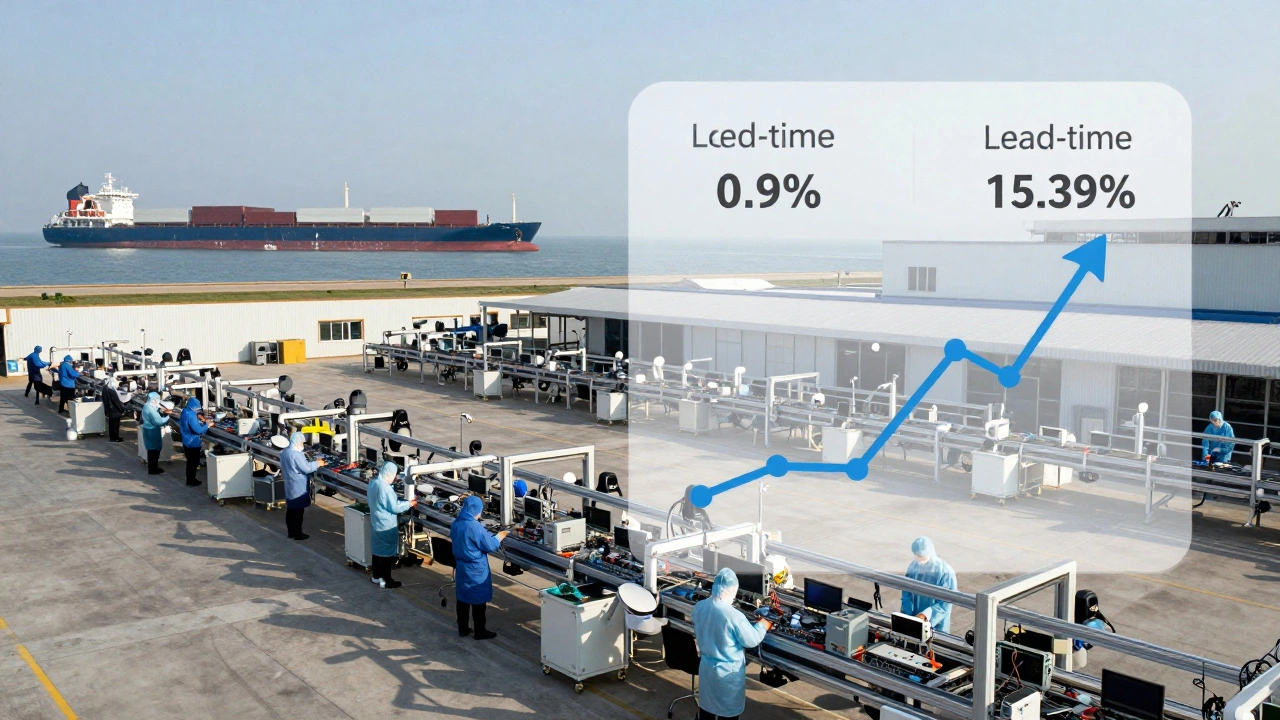
37% lead time reduction
Nearshoring Impact
-7-11% total landed costs
32% faster delivery times
When your biggest supplier shuts down overnight because of a political crisis, or a storm knocks out a port for weeks, how do you keep making products and delivering to customers? That’s the reality companies face today. The old model - finding the cheapest source, shipping everything across oceans, and holding just enough inventory to get by - doesn’t work anymore. Resilient supply chains are no longer optional. They’re the difference between surviving disruption and collapsing under it.
Why Resilience Isn’t Just a Buzzword Anymore
In 2020, the world saw what happens when supply chains break. Factories closed. Ships piled up at ports. Empty shelves became normal. Since then, things haven’t calmed down. Geopolitical tensions, climate events, and tariff wars keep hitting. According to McKinsey’s 2025 Supply Chain Risk Pulse survey, tariffs are now the #1 issue for global supply chains. Thirty percent of companies are already changing how they source because of them. And it’s not just about cost anymore. The real question is: can you keep running when things go wrong? The 2025 Oliver Wyman survey of 150 global supply chain leaders found that 80% say their supply chains are "very resilient." But here’s the twist: only 4% plan to spend more on resilience. Over a third expect to cut budgets. That’s like saying your car has great tires - but you’re not replacing the brakes. The truth? Resilience isn’t about being perfect. It’s about being flexible. It’s about having options when the world flips upside down. And that’s where dual sourcing, inventory buffers, and nearshoring come in.Dual Sourcing: The New Minimum Standard
Dual sourcing means having at least two suppliers for every critical part. Not just "backup." Not just "maybe." Two real, active, qualified suppliers - preferably in different regions. This isn’t theory. Automotive and medical device companies have been doing it for years. When the Red Sea crisis blocked shipping routes in 2024, companies with dual sourcing saw 47% fewer disruptions than those relying on a single supplier. That’s not luck. That’s design. But here’s what most companies get wrong: they try to dual source everything. That’s a mistake. BCG’s research shows the sweet spot is 15-20% of your highest-risk components - the ones that stop production if they’re late. For those, dual sourcing pays off big. One European automaker cut recovery time by 18% just by applying this rule. The catch? Managing two suppliers costs more. Maersk’s 2025 report found administrative costs jump 22-35% when you add a second supplier. Quality control gets harder. Communication doubles. That’s why you need systems - not just relationships. You need shared dashboards, real-time data, and clear performance metrics. Otherwise, you’re not building resilience. You’re just adding chaos.Inventory Buffers: From Static Stock to Smart Networks
Remember when safety stock meant stacking boxes in a warehouse and hoping for the best? That’s over. Today, smart companies use inventory like a living system. Leading retail and lifestyle brands now run tri-coastal networks: East Coast, West Coast, and Midwest hubs. Why? Because if a storm hits one coast, you pivot to another. Lead times drop 37%. Delivery speed shoots up. And you’re not overstocking everywhere - just where it matters. The OECD says the key is dynamic buffer levels. Not fixed numbers. AI-driven analytics that adjust stock based on real-time risk signals: a port strike, a supplier delay, a sudden spike in demand. Companies using this method cut inventory costs by 29% while hitting 99.2% fulfillment rates - even during chaos. But there’s a price. Holding more inventory means more cash tied up. Between 2023 and 2025, manufacturing inventory-to-sales ratios jumped from 12.3% to 15.7%. That’s $18-25% more working capital needed. And if you overdo it - say, keeping 25+ days of stock - you’ll see 19% lower returns on that capital during normal times. The smartest companies blend models. They use global hubs for low-cost, high-volume items. And regional satellites for fast-moving, high-risk products. Consumer goods firms using this hybrid approach cut excess inventory by 22% compared to those stuck in old forecasting models.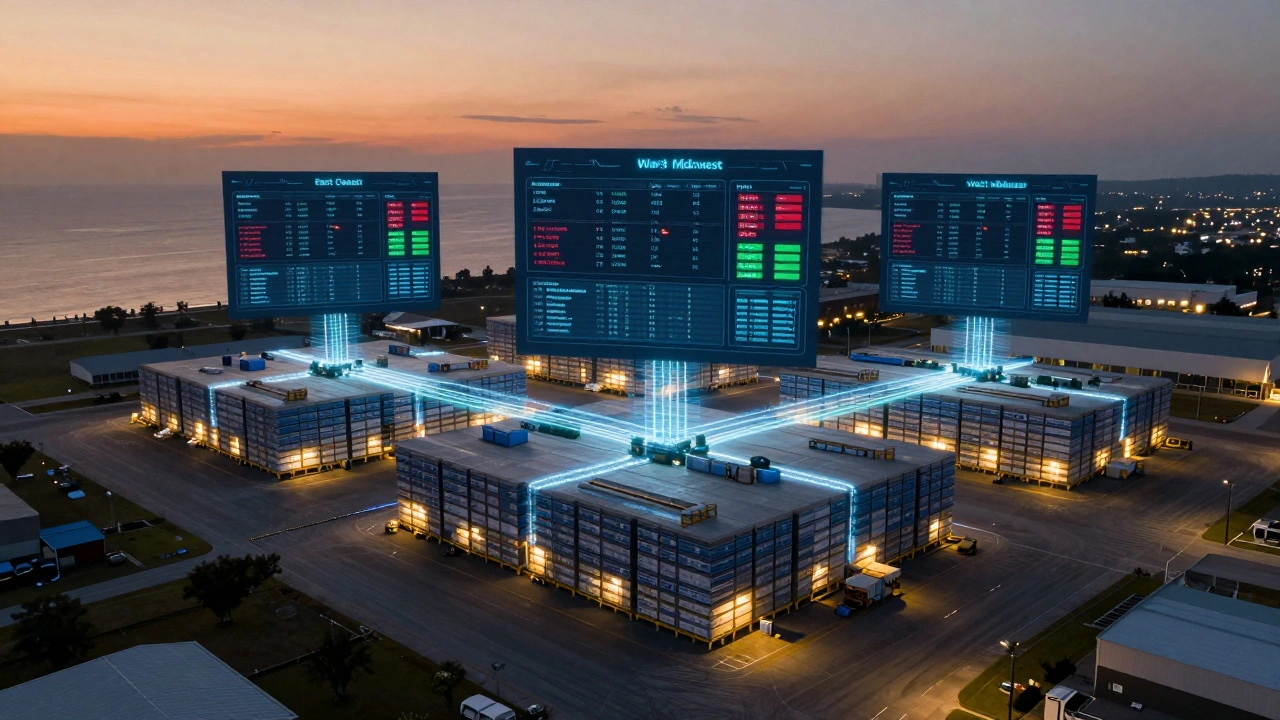
Nearshoring: Cheaper Than You Think - If You Do It Right
Nearshoring means moving production closer to your main market. For U.S. companies, that’s Mexico. For European firms, it’s Turkey or Eastern Europe. It’s not about bringing everything home. It’s about cutting the long, fragile middle. BCG’s analysis shows nearshoring from Asia to Mexico increases unit production costs by 12-18%. Sounds bad? Wait. When you add in lower shipping costs, reduced inventory needs, and avoiding tariffs, total landed costs drop 7-11%. That’s profit you didn’t have before. Sixty-three percent of North American manufacturers are already nearshoring - or planning to. Electronics and auto companies lead the way because their high-value parts make logistics costs a smaller slice of the pie. A U.S. electronics maker nearshoring to Mexico cut inventory turns from 45 days to 28 days. That’s faster cash flow. Less risk. But here’s the trap: nearshoring takes time. Oliver Wyman found it takes 14-22 months to get fully operational. And labor costs in places like Mexico are rising faster than expected. Forty-one percent of companies hit unexpected wage hikes. The real winners? Companies that don’t go all-in. They build blended models. Keep big-volume production overseas. Move only critical, high-value, or fast-turning items closer. Retailers using this hybrid approach saw delivery times improve 32% - while keeping cost increases under 6%. That’s the balance.The Power of Combining All Three
You don’t have to pick one. The strongest companies use all three - together. Dual sourcing keeps parts flowing when one supplier fails. Inventory buffers give you breathing room while you switch sources. Nearshoring shortens the chain so you react faster. Oliver Wyman’s data shows companies using this combo had 53% better operational continuity during the Q1 2025 disruptions than those using just one. The catch? It costs more upfront. This integrated approach needs 22% higher initial investment. But the payoff? Companies with full resilience strategies saw 14.3% higher operational margins during disruptions. And by 2027, BCG predicts they’ll gain 19-23% more market share in volatile industries.