Media Polarization
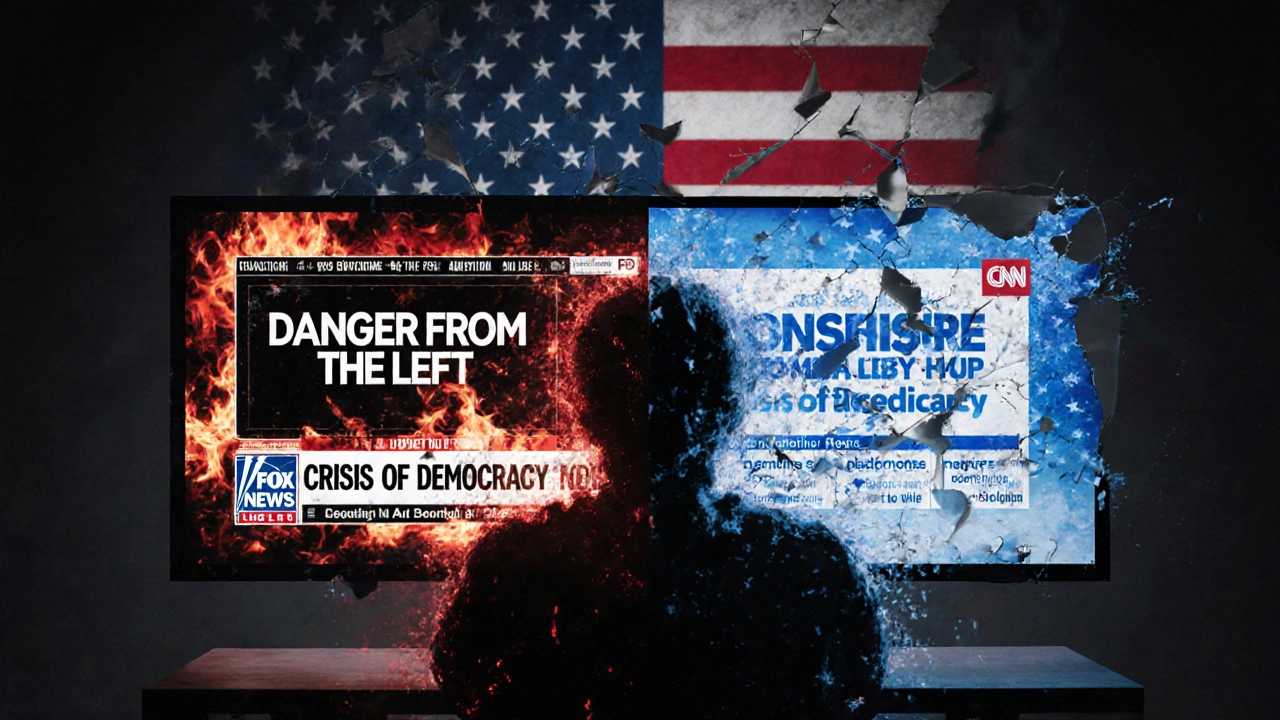
When you hear the same event described as a media polarization, the growing divide in how different groups consume and interpret news, leading to conflicting realities. Also known as information polarization, it's not just about partisan headlines—it's about entire ecosystems of content that reinforce one side while dismissing the other. This isn’t new, but it’s faster, louder, and more personal than ever. Algorithms don’t care if you’re informed—they care if you’re engaged. And outrage? That’s the currency.
What makes this dangerous isn’t just the anger. It’s the information echo chambers, closed loops where people only encounter views that match their own, making facts feel optional. You start believing what your feed tells you, not what independent sources verify. And when your news source is a political movement disguised as journalism, trust in institutions crumbles. Look at how public trust, the level of confidence people have in media, government, and science has dropped in the U.S., the UK, and across Europe. It’s not because people are cynical. It’s because they’ve been fed two different versions of reality—and been told the other side is lying, or evil, or stupid.
This isn’t just a social problem. It’s a policy problem. When half the country believes climate change is a hoax and the other half sees it as an emergency, how do you pass laws? When one group thinks vaccines are a government tool and another sees them as lifesavers, how do you run a public health system? The news bias, systematic favoritism in reporting that favors one ideology, narrative, or interest group isn’t just in headlines—it’s in how stories are framed, which experts get airtime, and which voices are silenced. And the worst part? You don’t even notice it happening. It’s like water to a fish.
What you’ll find in these articles isn’t a rant about fake news. It’s a look at real cases: how Turkey’s media landscape shifted under pressure, how climate negotiations get distorted by partisan spin, how AI-driven content amplifies division, and how public services struggle when citizens can’t agree on basic facts. These aren’t abstract theories. They’re live systems—breaking down, rebuilding, and reshaping democracy as we watch.