Multilateral Climate Finance
When we talk about multilateral climate finance, funding provided by multiple governments through international institutions to help countries adapt to and reduce climate change. It's not charity—it’s a shared responsibility built into treaties like the Paris Agreement, and it’s the main way poor nations get the money they need to build flood defenses, switch to clean energy, and protect their people. This money flows through groups like the Green Climate Fund, the World Bank, and regional development banks, not just from rich countries to poor ones, but with rules that demand transparency, local control, and measurable impact.
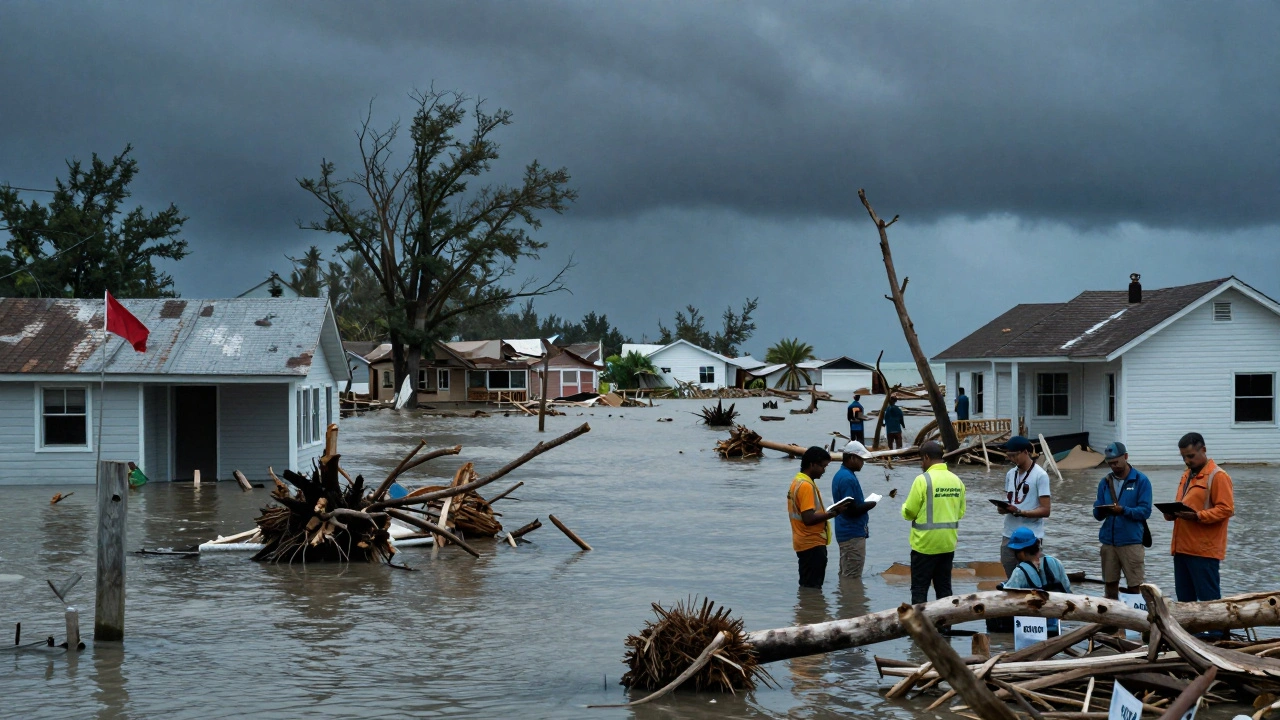
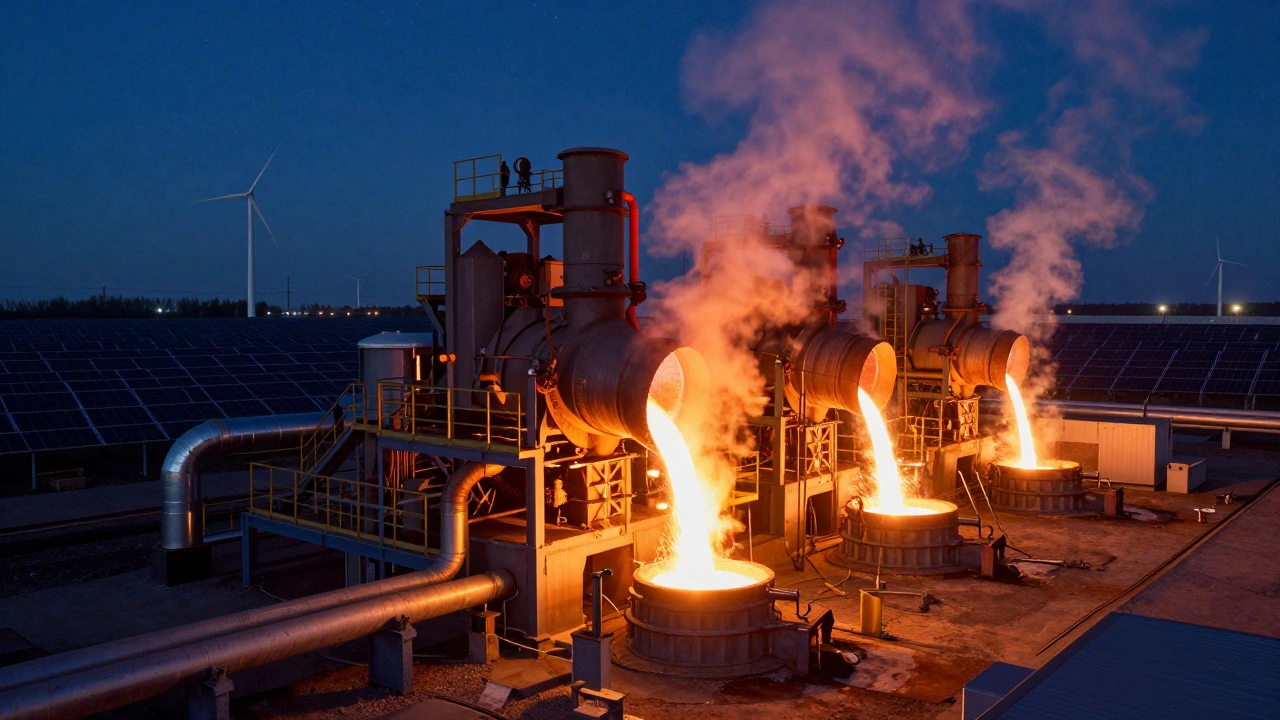
It’s closely tied to climate justice, the idea that those who contributed least to global warming should not bear the worst consequences. environmental justice is at the heart of how this money gets spent. For example, a $50 million project in Bangladesh might fund early-warning systems for cyclones, while a $30 million grant in Senegal helps small farmers switch to drought-resistant crops. These aren’t abstract goals—they’re real projects funded by multilateral climate finance. And it’s not just about adaptation. The same system supports green finance, financial tools like climate-aligned bonds and transition loans that steer private capital toward low-carbon economies. When countries issue green bonds backed by multilateral guarantees, they lower borrowing costs and attract investors who care about both returns and impact.
But it’s not working perfectly. Too much of the money still gets tied up in red tape, delayed by bureaucracy, or funneled through contractors in wealthy nations instead of local groups on the ground. That’s why recent reforms push for direct access—letting communities in Malawi or Papua New Guinea apply for funds themselves. And with multilateral climate finance expected to hit $100 billion a year by 2025, the pressure is on to make sure every dollar counts. The next big test comes at COP30 in Belém, where the Amazon’s survival and the future of this funding system are on the table. What you’ll find below are real stories of how this money moves, who wins, who gets left out, and what’s changing as the world scrambles to keep warming under 1.5°C.