Partisan Media: How Bias Shapes News, Trust, and Democracy
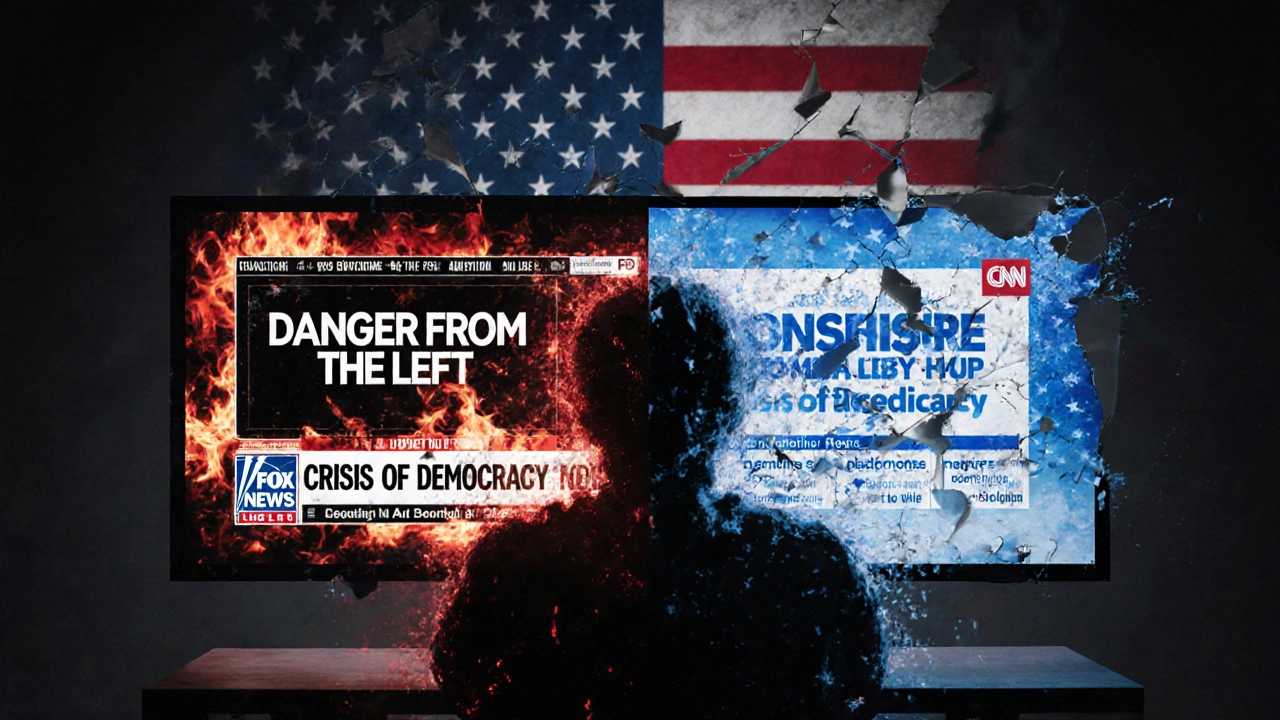
When you hear partisan media, news outlets that prioritize political loyalty over factual balance. Also known as ideological media, it doesn't just report the news—it frames it to fit a side. This isn't about occasional slant. It's about entire news ecosystems built to confirm what people already believe, not challenge it. And it's not just happening in the U.S. From Turkey’s state-aligned outlets to Europe’s polarized public broadcasters, partisan media is rewriting how societies understand truth.
It works because media bias, the systematic favoring of one political perspective over others in content selection and framing feels personal. You’re not just reading a headline—you’re seeing your values reflected. That’s why people trust their preferred outlet more than neutral fact-checkers. But that trust comes at a cost. political polarization, the deepening divide between groups with opposing ideologies, often fueled by media narratives isn’t just growing—it’s being engineered. Algorithms push outrage. Editors pick stories that anger the base. And when every side sees the other as a threat, compromise becomes betrayal.
And then there’s echo chambers, closed information loops where people only encounter views that reinforce their own. These aren’t accidental. They’re designed. A news site that only covers climate change as a hoax won’t link to IPCC reports. A channel that calls elections stolen won’t show audit footage. The result? People don’t just disagree—they live in different realities. And when reality is optional, democracy gets fragile.
Look at the posts below. You’ll see how partisan media isn’t just about headlines—it’s tied to everything from Turkey’s diplomatic balancing act to how public trust in AI tools crumbles when people think the government is hiding something. You’ll find how climate negotiations stall when trust in media is broken, and why teacher shortages get worse when education becomes a culture war issue. This isn’t a list of articles. It’s a map of how bias leaks into policy, markets, and everyday life.
What you’re about to read isn’t about who’s right or wrong. It’s about how the system works—and why so many of us feel like we’re losing touch with the same world.