Preparedness Learning: Building Resilience Through Real-World Skills and Systems
When we talk about preparedness learning, the process of acquiring practical knowledge and adaptive behaviors to anticipate, respond to, and recover from disruptions. Also known as resilience training, it's not about panic buying or bunker mentality—it's about designing systems that keep functioning when everything else breaks. Think of it like learning to ride a bike: you don’t just memorize the rules, you practice falling, adjusting, and getting back up until it becomes second nature.
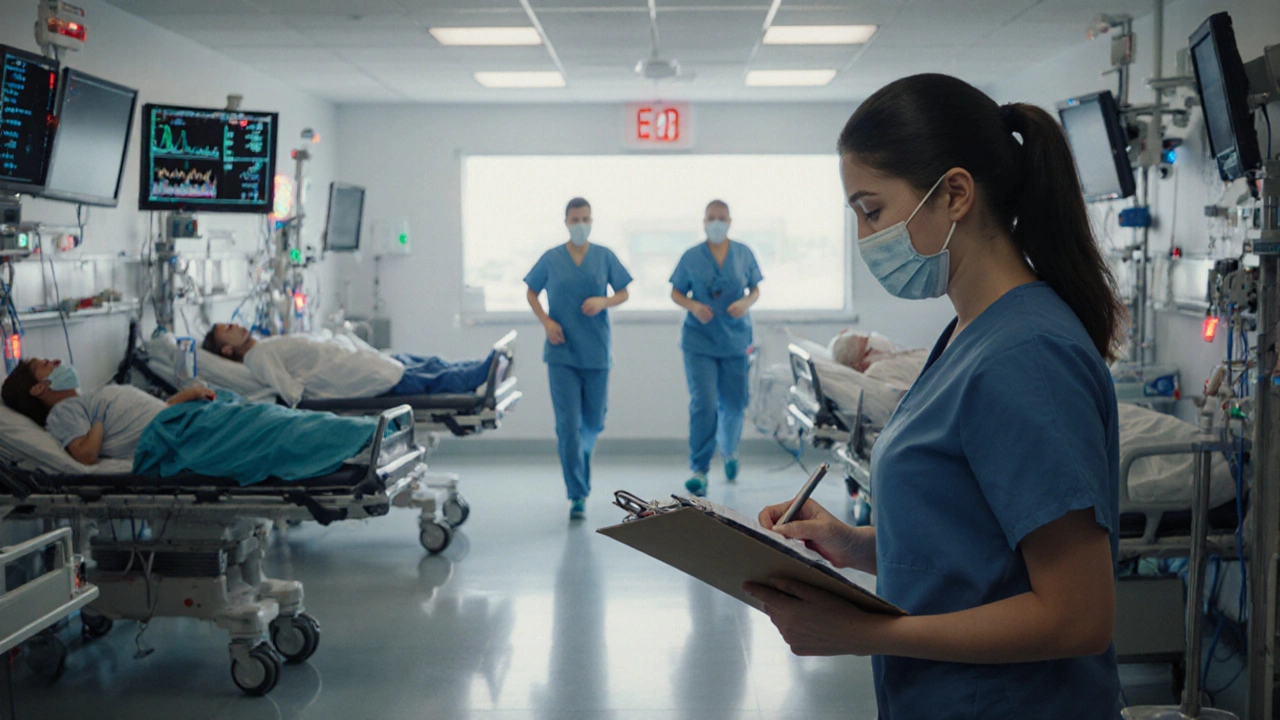
True preparedness learning connects directly to resilience planning, the structured effort to strengthen infrastructure, teams, and decision-making under pressure. You see it in cities building cool roofs and green infrastructure to handle heat waves, or in hospitals training staff to manage vaccine supply chains when global logistics fail. It’s also why companies are redesigning KPIs to measure agility, not just growth—because in a volatile world, speed and adaptability matter more than quarterly targets.
This kind of learning doesn’t happen in classrooms alone. It’s built through real-world testing: Estonia’s digital citizenship programs, Baltic States fighting population decline with rural work hubs, or communities using microgrids to stay powered when the main grid fails. Crisis response, the ability to mobilize resources and people quickly during emergencies isn’t a single skill—it’s a mix of logistics, communication, trust, and leadership. And it’s why places with strong care infrastructure—like paid leave and affordable childcare—see higher workforce participation. When people aren’t drowning in personal crises, they’re better able to help their communities through collective ones.
What separates effective preparedness from empty drills? It’s the focus on risk mitigation, identifying vulnerabilities before they become disasters. That’s why Turkey is balancing NATO commitments with Black Sea security—not because it’s being opportunistic, but because it knows dependency is a liability. Same with private credit replacing bank loans: when traditional systems crack, alternatives must be ready. Preparedness learning means accepting that no system is permanent, and the best defense is constant adaptation.
And it’s not just governments or corporations doing this. It’s teachers fighting shortages with better pay and input, communities pushing back against digital personas with real transparency, and investors shifting capital to protect against volatility. Every article in this collection shows the same pattern: people aren’t waiting for permission to get ready. They’re building tools, policies, and habits that work when the worst happens.
What follows isn’t a list of theory—it’s a map of real actions taken by real people facing real threats. Whether it’s cyber resilience roadmaps, humanitarian access protocols, or climate migration frameworks, each piece shows how preparedness learning turns uncertainty into actionable steps. You won’t find fluff here. Just what works, what’s failing, and what’s being built next.