Tree Canopy: How Forest Layers Shape Climate, Biodiversity, and Urban Living
When you look up at a dense forest, what you’re seeing isn’t just a bunch of trees—it’s a tree canopy, the upper layer of a forest formed by the crowns of trees that intercept sunlight, regulate temperature, and create microhabitats for countless species. Also known as forest canopy, it’s the most biologically active zone on Earth, doing more to absorb CO2 and support life than most people realize. This isn’t decorative greenery. It’s a working system that cools cities, filters rainwater, and keeps entire ecosystems alive.
The tree canopy, the upper layer of a forest formed by the crowns of trees that intercept sunlight, regulate temperature, and create microhabitats for countless species. Also known as forest canopy, it’s the most biologically active zone on Earth, doing more to absorb CO2 and support life than most people realize. This isn’t decorative greenery. It’s a working system that cools cities, filters rainwater, and keeps entire ecosystems alive.
Behind every healthy tree canopy is a chain of dependencies. Birds nest in its branches, insects pollinate flowers hidden among the leaves, and fungi connect roots underground through mycelial networks. In the Amazon, one square kilometer of intact canopy can host over 1,500 plant species and 750 types of trees. In cities, just 10% more canopy cover can drop summer temperatures by up to 5°F—cutting energy use and saving lives during heatwaves. And it’s not just about trees: the canopy acts like a sponge, catching 15–40% of rainfall before it hits the ground, reducing floods and recharging groundwater.
But here’s the catch: we’re losing it fast. Urban development, wildfires, and logging are thinning canopies faster than they can regrow. In places like Los Angeles and Sydney, city planners are now treating canopy cover like infrastructure—planting trees with the same urgency as fixing roads or upgrading sewers. Meanwhile, in the tropics, scientists are using LiDAR drones to map canopy density down to the individual tree, tracking how much carbon each patch stores. The data shows that old-growth canopies hold up to 10 times more carbon than young plantations.
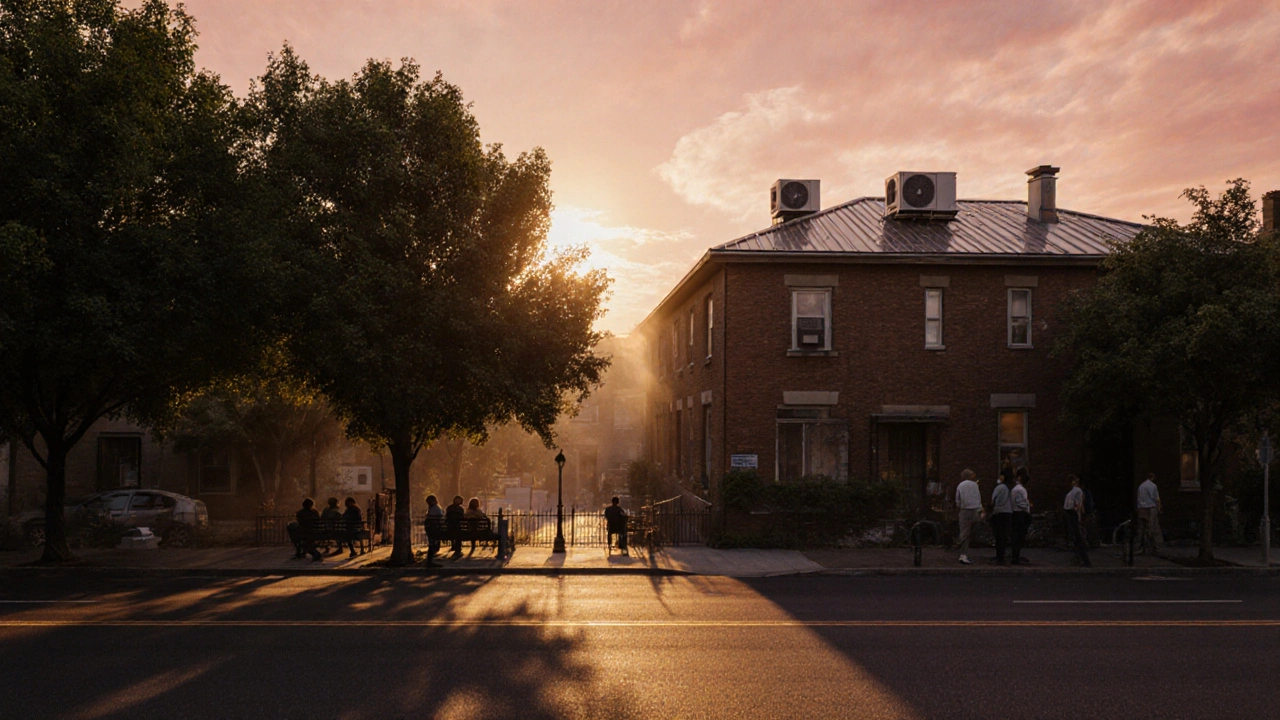
And it’s not just forests. Even small urban canopies—like those lining streets in Portland or Melbourne—have been proven to reduce asthma rates in kids, lower stress levels in adults, and even boost property values. Communities that invest in canopy restoration don’t just get shade—they get resilience. When storms hit, trees with deep-rooted canopies hold soil in place. When heat spikes, they act as natural AC units. When pollution rises, they trap airborne particles.
What you’ll find in the articles below isn’t just a list of stories about trees. It’s a collection of real-world efforts to protect, restore, and measure this invisible lifeline—from how Indigenous groups manage canopy ecosystems in the Pacific Northwest, to how Singapore turned a city into a vertical forest, to why a single missing canopy layer in the Congo Basin could unravel global climate patterns. These aren’t abstract ideas. They’re urgent, measurable, and already changing how we live.