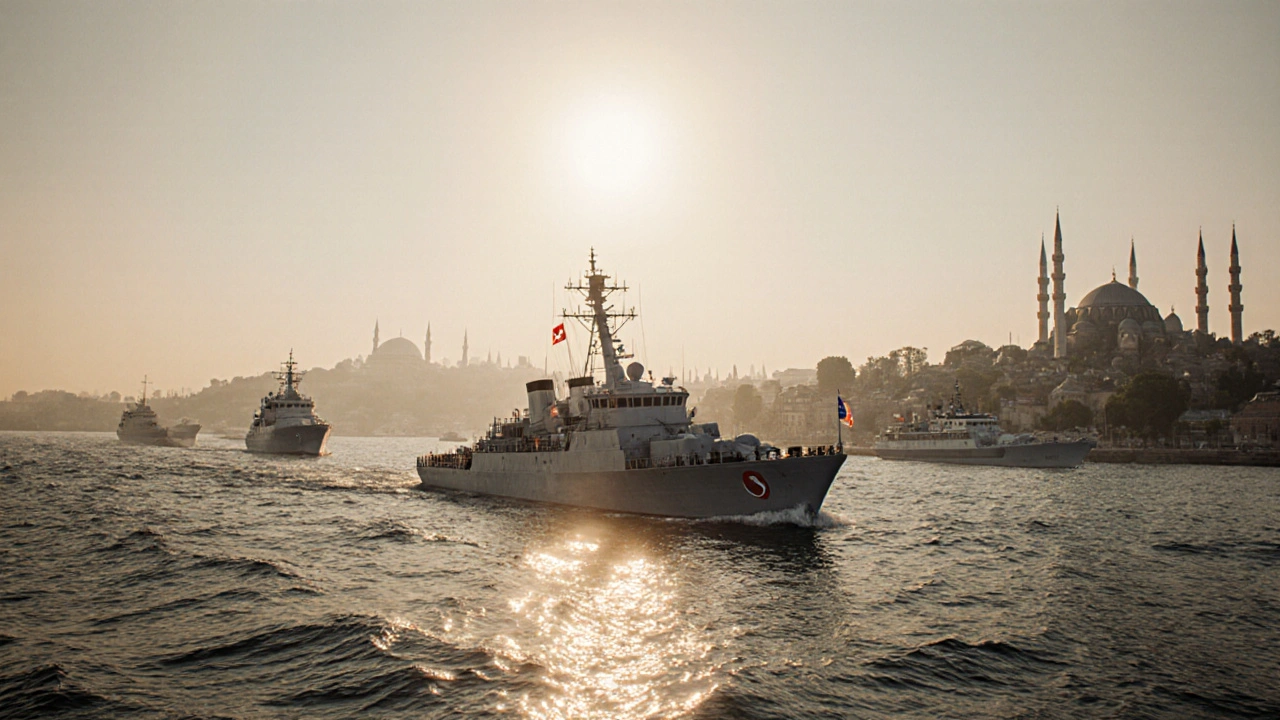
Turkey Defense Spending: Military Budgets, NATO, and Regional Security Trends
When we talk about Turkey defense spending, the annual budget allocated by Turkey to its military for equipment, personnel, and operations. Also known as Turkish military expenditure, it's one of the largest in NATO and a key indicator of how Ankara sees its role in global security. Unlike many European nations that cut defense budgets after the Cold War, Turkey has steadily increased its spending—reaching over $20 billion in 2024, with projections climbing toward $25 billion by 2026. This isn’t just about keeping up with neighbors. It’s about projecting power across the Eastern Mediterranean, Syria, Iraq, and the Black Sea.
Behind the numbers are real strategic choices. Turkey buys drones from its own defense industry—like the Bayraktar TB2—that have changed modern warfare. It also invests heavily in domestic arms production, reducing reliance on U.S. and European suppliers. This shift ties directly to NATO military spending, the collective defense budgets of NATO member states, with a target of 2% of GDP per member. Turkey meets and often exceeds that target, while many allies don’t. That creates tension: Washington and Brussels push for burden-sharing, but Ankara says its geographic position and ongoing conflicts—like the fight against Kurdish militias—justify higher costs. Meanwhile, regional security, the stability of geopolitical zones shaped by military presence, alliances, and arms races. in the Middle East and Caucasus is directly affected by Turkey’s moves. Its operations in northern Syria, its naval presence near Cyprus, and its growing ties with Qatar and Azerbaijan all ripple through regional power dynamics.
What’s often missed is how domestic politics shape this spending. The military has long been a pillar of Turkish identity, and defense contracts support thousands of jobs. When inflation hits, defense becomes one of the few sectors that still gets funding. That’s why even during economic turmoil, Turkey’s defense budget stays protected. It’s not just about war—it’s about national pride, industrial policy, and political survival.
What you’ll find below are deep dives into how Turkey’s defense choices compare to other NATO members, how its drone exports are reshaping global arms markets, and what happens when a country bets big on military self-reliance. These aren’t abstract policy papers—they’re real stories about money, power, and what happens when a nation decides to stand alone on its own terms.