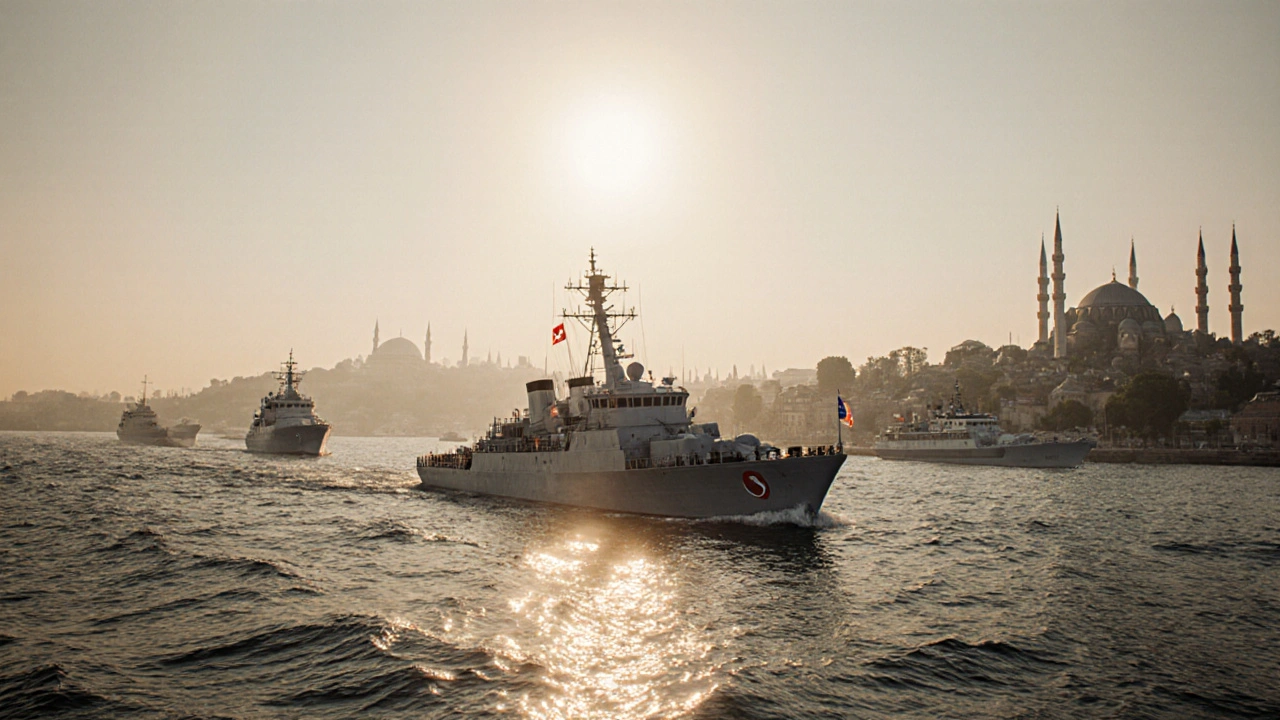
Turkey NATO: Alliance Tensions, Defense Shifts, and Strategic Autonomy
When you think of Turkey NATO, Turkey’s membership in the North Atlantic Treaty Organization since 1952, anchoring the southern flank of Western defense. Also known as NATO’s southern anchor, it has long been a critical player in regional security, border control, and military logistics. But today, that relationship isn’t what it used to be. Turkey still wears the NATO badge, but its actions—buying Russian S-400 systems, pushing back on Sweden’s membership, and quietly expanding ties with non-NATO states—have raised real questions about alignment. This isn’t just about politics. It’s about who controls defense tech, who funds military projects, and whether loyalty is still based on shared values or shared interests.
The EU defense integration, Europe’s push to build independent military capabilities outside U.S. command structures. Also known as strategic autonomy, it’s the quiet revolution happening across Brussels and Berlin is directly challenging Turkey’s traditional role. While Europe tries to build its own drones, missile systems, and cyber units, Turkey is doing the same—just with different partners. This isn’t just competition. It’s a realignment. Turkey’s defense industry is booming, with Bayraktar drones sold to over 20 countries, and its military budget now rivals some EU members. Meanwhile, the EU’s own defense projects, like the European Peace Facility and Permanent Structured Cooperation, are designed to reduce reliance on Washington—and by extension, on Turkey’s unpredictable stance.
And then there’s the defense sovereignty, a nation’s ability to make independent military decisions without external pressure. Also known as national defense independence, it’s the core issue behind every Turkey NATO debate. Turkey doesn’t want to be a base. It wants to be a leader. It wants to decide when to open or close the Bosporus, when to support Ukraine, and whether to buy weapons from Moscow or Paris. The U.S. and NATO expect loyalty. Turkey expects respect. That gap is widening. And it’s not just about tanks and treaties—it’s about who gets to shape the rules of the next decade’s security order.
What you’ll find below isn’t just news. It’s a collection of real analyses on how Turkey’s choices ripple through global defense, from NATO’s internal fractures to how Europe is scrambling to build alternatives. You’ll see how private credit funds are backing Turkish defense startups, how AI is being used in border surveillance, and why the Baltics are watching Turkey’s moves closely. This isn’t theoretical. It’s happening right now—and the stakes are higher than ever.