Turkey Russia relations
When you talk about Turkey Russia relations, the complex, often contradictory partnership between two major regional powers with opposing alliances but shared economic interests. Also known as Ankara-Moscow ties, it’s not an alliance, not a feud—it’s a high-stakes balancing act that affects everything from gas prices to war zones. Turkey is a NATO member. Russia is its frequent rival. Yet they trade billions in energy, coordinate in Syria, and even sell weapons to each other. How does that even work?
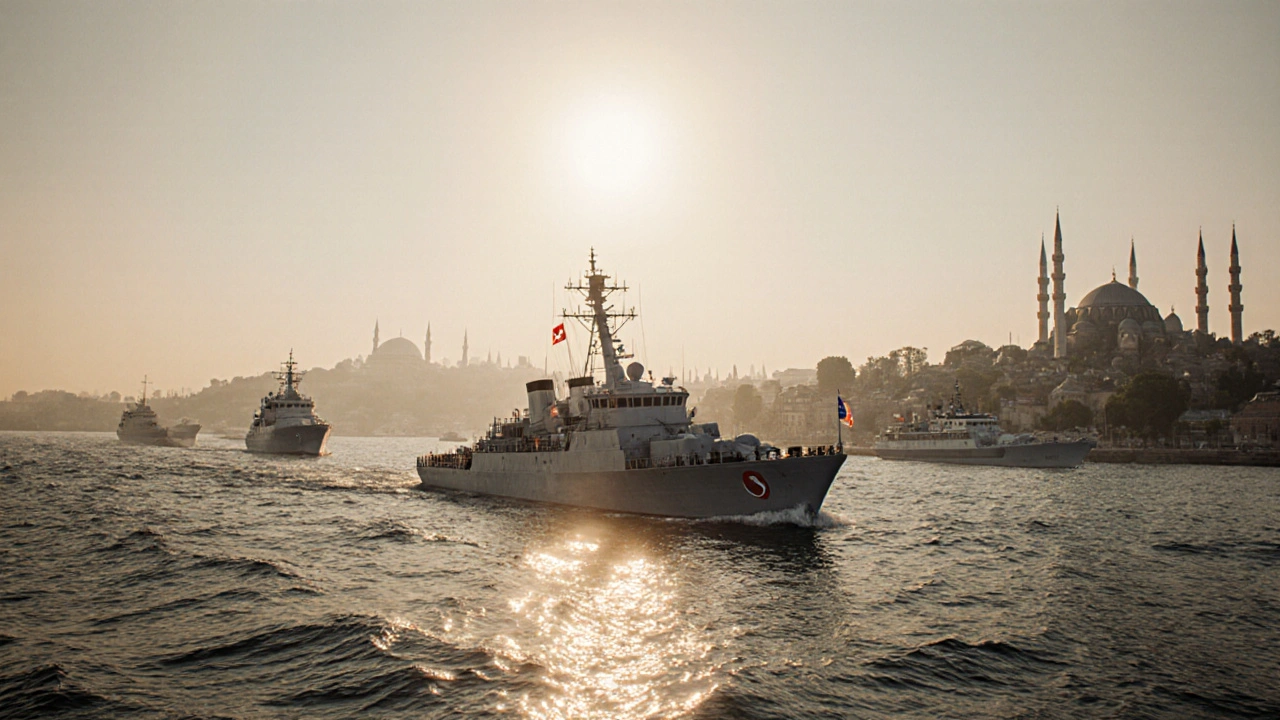
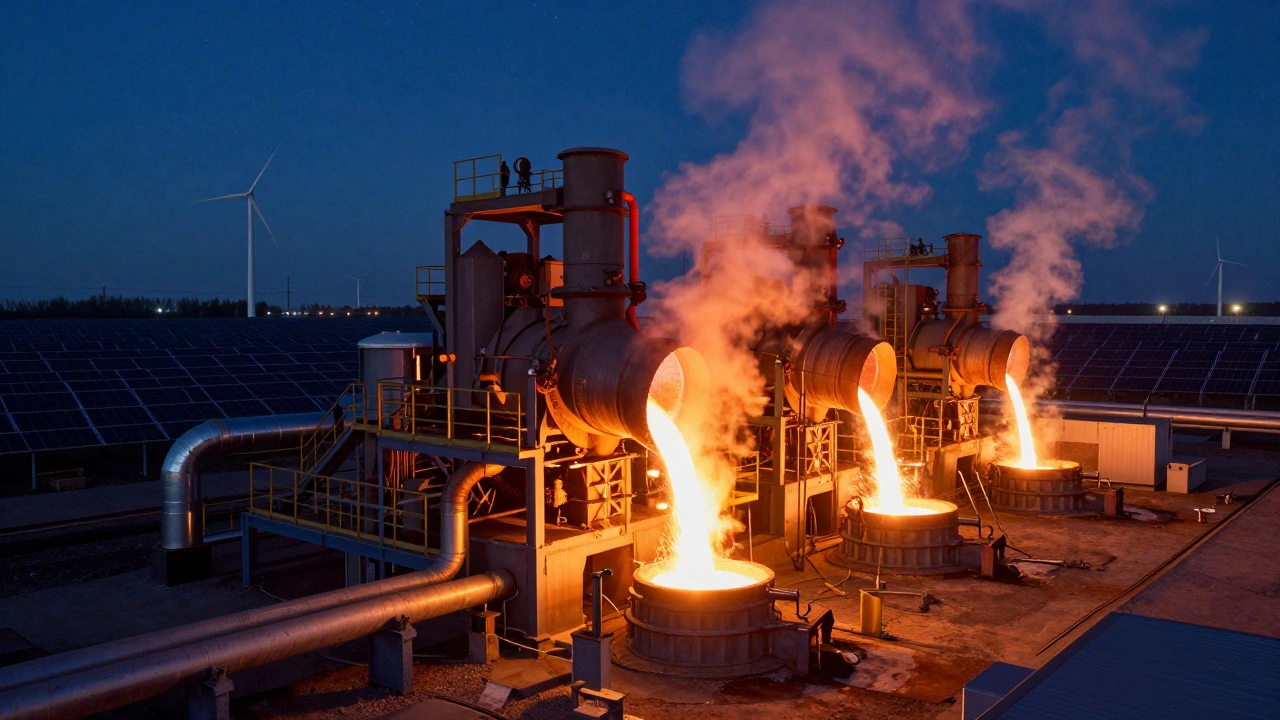
It works because both sides see opportunity where others see conflict. Energy diplomacy, the strategic use of oil and gas deals to build political leverage. Also known as pipeline politics, it’s the backbone of their relationship. Turkey buys nearly 50% of its natural gas from Russia. In return, Russia gets a reliable customer that won’t join Western sanctions. The TurkStream pipeline isn’t just infrastructure—it’s a political shield. Meanwhile, Turkey uses its control over the Bosporus Strait to influence Black Sea security, a key chokepoint for Russian naval movement. Russia needs access. Turkey knows it.
Then there’s NATO tensions, the growing friction between Turkey’s membership in the alliance and its military cooperation with Russia. Also known as the NATO-Russia triangle, it’s a puzzle no one has solved. Turkey bought Russian S-400 missile systems in 2019, angering the U.S. and triggering sanctions. It didn’t back NATO’s stance on Ukraine. It still talks to Russia while hosting Ukrainian refugees. This isn’t betrayal—it’s realpolitik. Turkey doesn’t want to pick sides. It wants leverage. And Russia? It’s happy to exploit that.
Even in war, they find common ground. In Syria, their forces are on opposite sides of the conflict—but they coordinate de-escalation zones. In Libya, they backed different factions but ended up negotiating a ceasefire together. In the Black Sea, Russian ships sail past Turkish patrols without incident. These aren’t accidents. They’re calculated. Both countries know that open conflict would hurt their economies and destabilize the region. So they keep talking, even when they’re fighting elsewhere.
And then there’s the arms trade. Turkey sells drones to Ukraine. Russia sells drones to Azerbaijan. But Turkey also buys Russian fighter jets and air defense tech. It’s messy. It’s contradictory. And it’s completely normal in their world. No one else in NATO does this. No one else in the region has this kind of dual-track strategy.
What you’ll find in the posts below aren’t headlines. They’re deep dives into the real mechanics behind this relationship: how energy deals shape military decisions, how NATO pressure forces Ankara to rethink its alliances, and why this partnership survives even when global powers try to break it. There’s no fairy tale here. Just hard choices, hard deals, and hard realities.