Urban Heat Island: How Cities Trap Heat and What’s Being Done About It
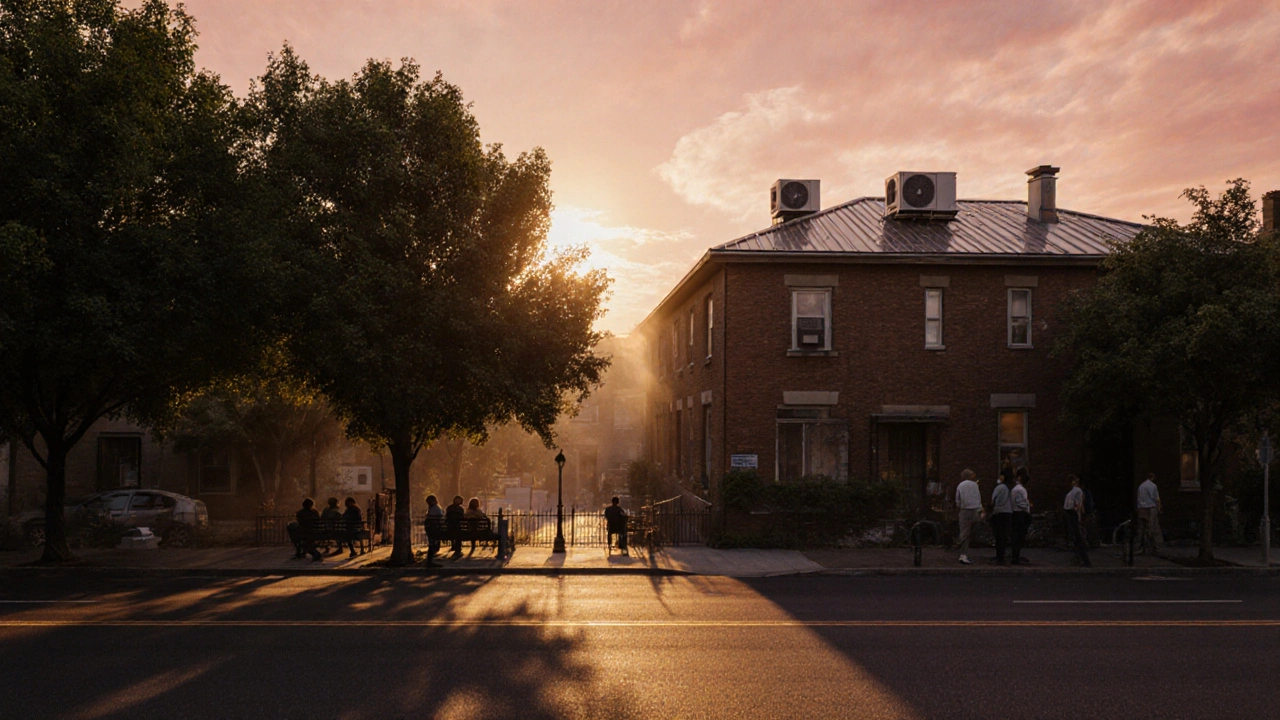
When you step out in the city on a summer evening and it feels like a furnace—even after the sun goes down—you’re feeling the urban heat island, a phenomenon where built-up areas absorb and retain heat, making them significantly warmer than nearby rural areas. Also known as city heat effect, it’s not just uncomfortable—it’s dangerous, especially for older adults and people without air conditioning. This isn’t a minor weather quirk. In places like Phoenix, Los Angeles, or Istanbul, nighttime temperatures in the city center can be 10 to 22 degrees Fahrenheit hotter than just a few miles outside. The main culprits? Pavement, rooftops, and buildings made of materials that soak up sunlight during the day and slowly release it at night. Add in car exhaust, air conditioners blowing hot air outside, and the lack of trees or grass, and you’ve got a perfect storm of trapped heat.
The green infrastructure, the network of natural and semi-natural features like parks, green roofs, and tree-lined streets that help cool urban areas is one of the most effective counters. Cities like Singapore and Toronto are planting trees along sidewalks and turning rooftops into gardens—not just for looks, but because each tree can lower local temperatures by up to 10 degrees. urban planning, the design and regulation of land use in cities to improve livability and resilience is starting to catch on. New building codes in places like Portland and Tokyo now require reflective roofing or mandatory green space ratios. Even small changes, like painting roads with cool coatings or installing permeable pavement, help reduce surface temperatures. But it’s not just about materials—it’s about equity. Low-income neighborhoods often have fewer trees, more asphalt, and older buildings that trap heat. That means the people who can least afford it are hit hardest by heatwaves.
What you’ll find in the posts below aren’t just stories about hot weather. They’re real-world case studies on how cities are tackling this invisible crisis. From how Berlin is using data to map heat hotspots, to how Tokyo is rethinking public housing to stay cool, to how local governments are linking heat resilience to public health budgets—you’ll see what’s working, what’s failing, and why this isn’t just an environmental issue, but a survival one.