Vibe Signature Calculator
Define Your Brand's Vibe
This tool helps you identify and measure your brand's emotional signature alignment based on the article's framework.
Quiet Confidence
Muted tones, minimalist design, calm language. Example: Luxury coffee brand for morning rituals.
Nostalgic Hope
Warm colors, vintage textures, optimistic language. Example: Travel brand evoking childhood memories.
Rebellious Calm
Bold contrasts, low-fi audio, short declarative phrases. Example: Activist fashion brand.
Chaos to Peace
Dynamic transitions, soothing color shifts, narrative storytelling. Example: Wellness app.
Rate how well your current content aligns with your chosen emotional signature (0-100)
Your Vibe Alignment
By early 2025, the loudest noise in marketing wasn’t about new apps, bigger budgets, or viral hooks. It was about silence. Not the absence of sound, but the absence of pressure. Brands stopped chasing trends and started tuning into vibe. This wasn’t just another buzzword. It was a full reset of how companies connect with people - not by selling features, but by sharing feelings.
Think about it. You scroll past 50 ads in a day. Most don’t stick. But one? The one that made you pause because it felt like a quiet Sunday morning, or like walking through a rain-soaked city at midnight, headphones on, lost in thought. That’s vibe marketing. It doesn’t shout. It whispers. And people lean in.
What Is Vibe Marketing, Really?
Vibe marketing flips the script. Instead of asking, "Who is your customer?" it asks, "How do they want to feel?"
It’s not about age, income, or location. It’s about mood. Is your audience craving comfort? Adventure? Nostalgia? Peace? A brand’s emotional signature - its core feeling - becomes more important than its product specs. A coffee brand doesn’t sell beans. It sells the quiet warmth of a first sip before the alarm goes off. A sneaker brand doesn’t sell cushioning. It sells the freedom of running without thinking.
This shift started gaining real traction after OpenAI’s Andrej Karpathy used the term "vibe coding" in February 2025 to describe losing himself in creative flow. Marketers heard it and instantly translated it: stop over-engineering. Start feeling. By summer, 90% of top-performing brands were using AI to generate content aligned to specific emotional states - not just keywords.
How AI Powers the Vibe Revolution
You can’t scale emotion without technology. And that’s where AI stepped in - not as a replacement for humans, but as a translator of feeling.
Tools like ChatGPT, Claude, and NotebookLM now analyze everything: the rhythm of a sentence, the tilt of a smile in a video, even the ambient noise in a background clip. Benchmark Email found that AI can detect sentiment from emojis with 87% accuracy. That’s not magic. It’s data. And it’s fast.
Where traditional campaigns took weeks - shooting, editing, reviewing, approving - vibe campaigns now run in hours. One marketer, using AI tools, produced 12 variants of a TikTok ad in under four hours. Each variant targeted a different emotional tone: melancholic, hopeful, rebellious, serene. The one with the highest engagement? The one that didn’t try to sell anything. It just showed a person sitting on a fire escape, watching the sunset, with no voiceover. Just wind.
Platforms like Salesforce now use translation APIs that preserve emotional intent across languages. A phrase that feels cozy in English doesn’t become cold in Japanese. It stays warm. That’s 92% fidelity in emotional translation - something literal translation could never do.
Why It Works (And Where It Fails)
Vibe marketing crushes traditional methods in consumer-facing spaces. On TikTok and Instagram Reels, campaigns built around mood see 5.8 times more engagement. Conversion rates jump 34% when the emotional alignment hits 80% or higher.
But here’s the catch: it doesn’t work everywhere.
Try selling a medical device with a vibe. "Feel the calm of recovery"? No. People need specs, safety data, FDA approvals. In B2B tech, traditional marketing still wins by 22% in conversion, according to eMarketer. Why? Because logic still matters when lives are on the line.
Vibe marketing thrives where emotion drives decisions - fashion, travel, beauty, entertainment. Gen Z, in particular, makes 68% of their purchases based on how a brand makes them feel, not what it does. That’s not a trend. That’s a new standard.
Meanwhile, industries like finance and healthcare struggle. Compliance rules freeze real-time adaptation. You can’t tweak an ad to match a viral mood if it violates regulatory guidelines. That’s not a flaw in vibe marketing. It’s a boundary.
The Emotional Signature Framework
Successful brands don’t guess at vibes. They define them.
Here’s how:
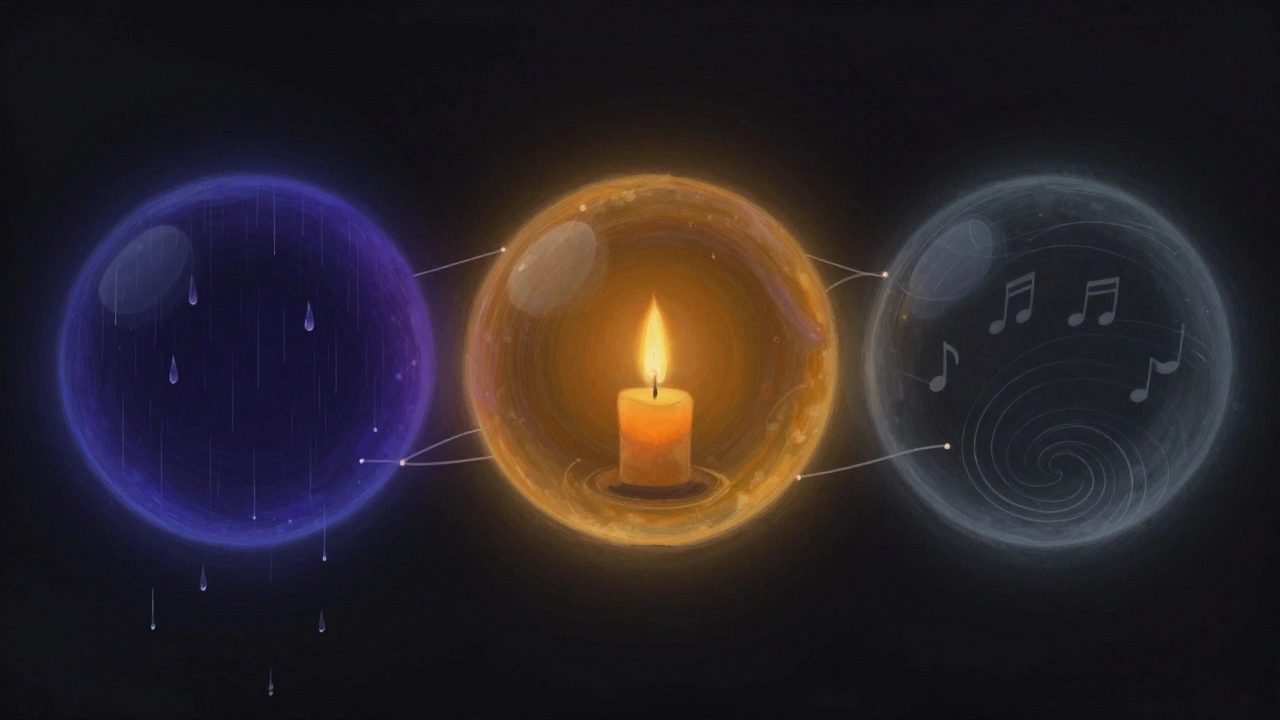
- Define Your Emotional Signature - Pick one to three core moods. Not "fun" or "cool." Be specific. Is it "quiet confidence"? "Nostalgic hope"? "Rebellious calm"? Then map it: What colors? What sounds? What words? A brand that feels "rebellious calm" might use muted grays, low-fi jazz, and short, blunt phrases like "We don’t ask permission."
- Track Moods in Real Time - Use tools like Brandwatch and Meltwater to monitor cultural shifts. Is "cozy" trending? Is "chaotic joy" spiking? Don’t chase trends. Tune into them.
- Use AI Creatively - Midjourney for visuals, Persado for copy, Lovable for tone. But don’t let AI decide. Let it suggest. You still choose what feels true.
- Test, Don’t Assume - Run A/B tests on emotional variants. Each needs at least 5,000 impressions. One version might feel nostalgic. Another, futuristic. Which one makes people linger? That’s your signal.
- Optimize for Social SEO - Use aesthetic keywords: "soft lighting," "slow motion," "rainy window," "warm filter." These aren’t just tags. They’re emotional cues. Aim for 70%+ mood alignment in your captions and hashtags.
Brands that nailed this saw engagement jump 217% and content time drop from 20 hours a week to 3.5. But those who skipped the emotional signature? They got lost. One company tried to ride a TikTok dance trend without matching it to their core vibe. Result? A 19% drop in brand trust.
The Dark Side of Vibe
Not everyone’s excited.
Dr. Lena Chen at Stanford found that after three months of AI-generated vibe content, 43% of consumers couldn’t tell one brand apart from another. The vibes became too similar. Too smooth. Too safe. Emotional homogenization. That’s the risk.
When every brand feels "cozy," nothing feels special. When every ad has the same golden-hour lighting and lo-fi beat, you stop noticing. You start tuning out.
That’s why human oversight matters. AI can suggest a vibe. But only a human can ask: "Does this feel like us? Or just like everyone else?"
And then there’s regulation. The FTC stepped in July 2025 with new guidelines: if an ad uses AI to generate emotional content with 75%+ mood certainty, you must disclose it. No more hidden manipulation. Transparency is now part of the vibe.
Who’s Winning in 2025?
By Q3 2025, 68% of Fortune 500 companies had some form of vibe strategy. Adoption was highest among Gen Z brands - 89% - and social-first platforms - 94%. Meanwhile, enterprise software companies? Only 27%.
Startups like Seize Marketing Agency, founded in January 2025, exploded by specializing in nothing but vibe strategy. Established giants like WPP and Omnicom quickly created vibe divisions. The market for vibe-focused services is projected to hit $82 billion by 2027, growing at 34% annually.
But the real winners aren’t the agencies. They’re the brands that didn’t chase the hype. They doubled down on authenticity. They defined their vibe, stuck to it, and let AI amplify it - not replace it.
What Comes Next?
Google’s "Project Aura," announced in September 2025, is already testing real-time ad adjustments based on viewers’ heart rate and facial expressions. Ads that slow down when you sigh. Ones that brighten when you smile. It’s not sci-fi. It’s coming.
By early 2026, the Marketing Research Association will launch the first "Certified Vibe Strategist" program. Certification won’t mean you know how to use AI. It means you understand human emotion well enough to guide it.
Gartner warns that without authentic foundations, vibe marketing becomes just another trend. Forrester disagrees. They say the efficiency gains - one marketer doing the work of ten - are too powerful to disappear.
Maybe both are right. Vibe marketing isn’t going away. But its form will evolve. The brands that survive won’t be the ones with the fanciest AI. They’ll be the ones who stayed true to how they really feel - and let their audience feel it too.
Is Vibe Marketing Right for Your Brand?
Ask yourself:
- Do we sell feelings more than functions?
- Do our customers choose us because of how we make them feel?
- Can we define our emotional signature in three words or less?
- Are we willing to do less - but do it with more heart?
If you answered yes to most of these, you’re already halfway there. The rest? Just tools. The vibe? That’s yours to own.