Integration Impact Calculator
This calculator shows how different integration programs affect community trust and economic outcomes based on real case studies from cities like Berlin, Barcelona, and Bologna.
Community Trust
Job Placement Rate
Economic Benefit
When a new family moves into your neighborhood, what do you notice first? Maybe the language they speak at the kitchen window, or the unfamiliar smells drifting from their porch. These small moments matter more than you think. In cities across the U.S. and Europe, migration isn’t a distant policy issue-it’s happening on your street, in your schools, and at your local grocery store. The real challenge isn’t helping newcomers settle. It’s keeping communities from fracturing when fear, misinformation, or economic anxiety take root.
There’s a myth that says more immigrants means less belonging. That’s not true. But it’s also not enough to just say, "We’re welcoming." You need structure. You need trust. And you need to show people-both newcomers and long-time residents-that integration isn’t a one-way street.
Integration Isn’t About Assimilation
Too often, integration is framed as asking newcomers to erase their past. Learn the language. Dress like us. Stop celebrating your holidays. That approach doesn’t work. It creates resentment on both sides. Research from the Migration Policy Group shows that successful integration happens when it’s seen as a mutual learning process. Host communities learn too-about new foods, parenting styles, work ethics, even how to say "thank you" in a different tongue.
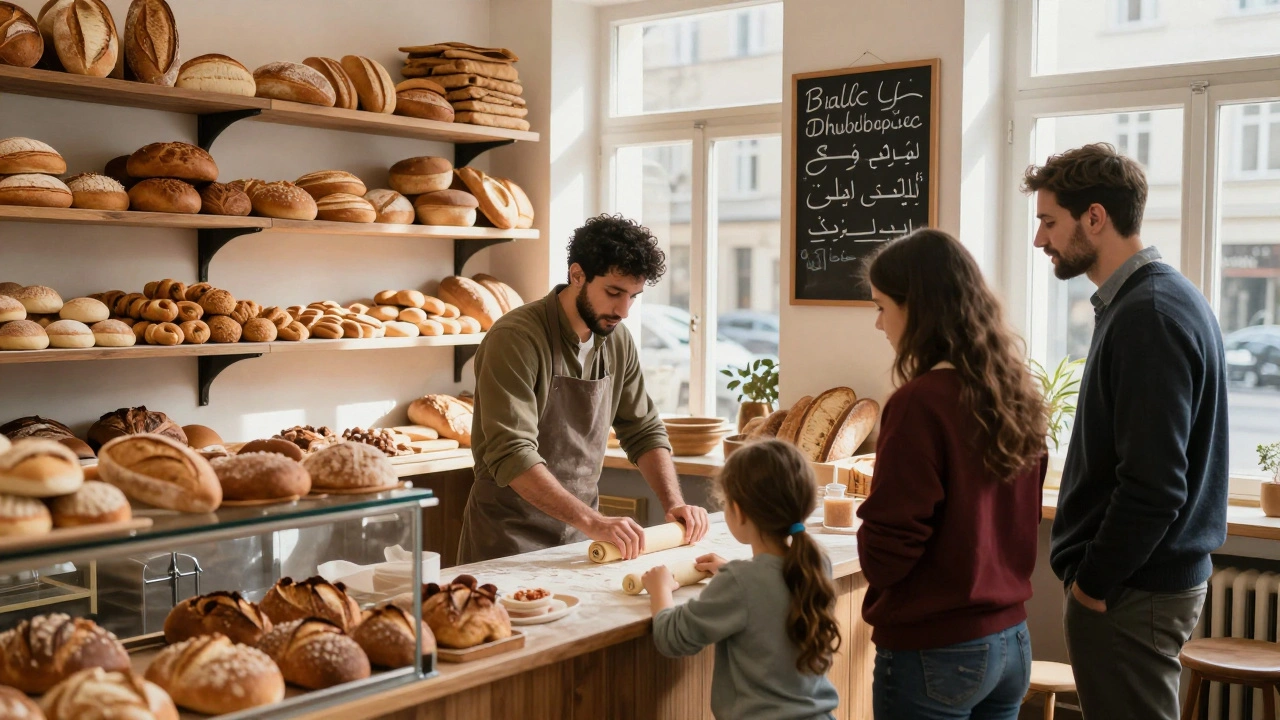
Think about it: when a refugee from Syria opens a bakery in Berlin, they’re not just selling pastries. They’re creating a space where German neighbors stop by for coffee, ask about Aleppo, and maybe even bring their kids to learn how to roll dough. That’s not assimilation. That’s connection.
Start With Jobs-Not Just Paperwork
One of the fastest ways to build trust is through work. A person who can support themselves doesn’t become a burden. They become a neighbor. But getting a job isn’t just about filling out forms. Many newcomers arrive with years of experience-nurses, engineers, teachers-but their credentials don’t transfer. Or they don’t speak the language well enough to pass an interview.
Successful cities use "one-stop shops"-places where migrants can walk in and get help with job matching, language training, childcare, and credential recognition all in one visit. In Ireland, pilot programs paired migrant electricians with local apprenticeships. Within six months, half were working legally. The rest were enrolled in certification courses. No one was left waiting.
And don’t forget women. Many migrant women have skills but face extra barriers: no childcare, no transport, no network. Programs that offer on-site daycare during language classes or job fairs see participation jump by 60% or more. It’s not charity. It’s smart economics.
Education Is the Long Game
Schools are where the future of cohesion is built. Unaccompanied minors, refugee children, and teenagers who’ve missed years of schooling need more than a desk. They need tailored language support, trauma-informed teachers, and peers who see them as classmates-not problems.
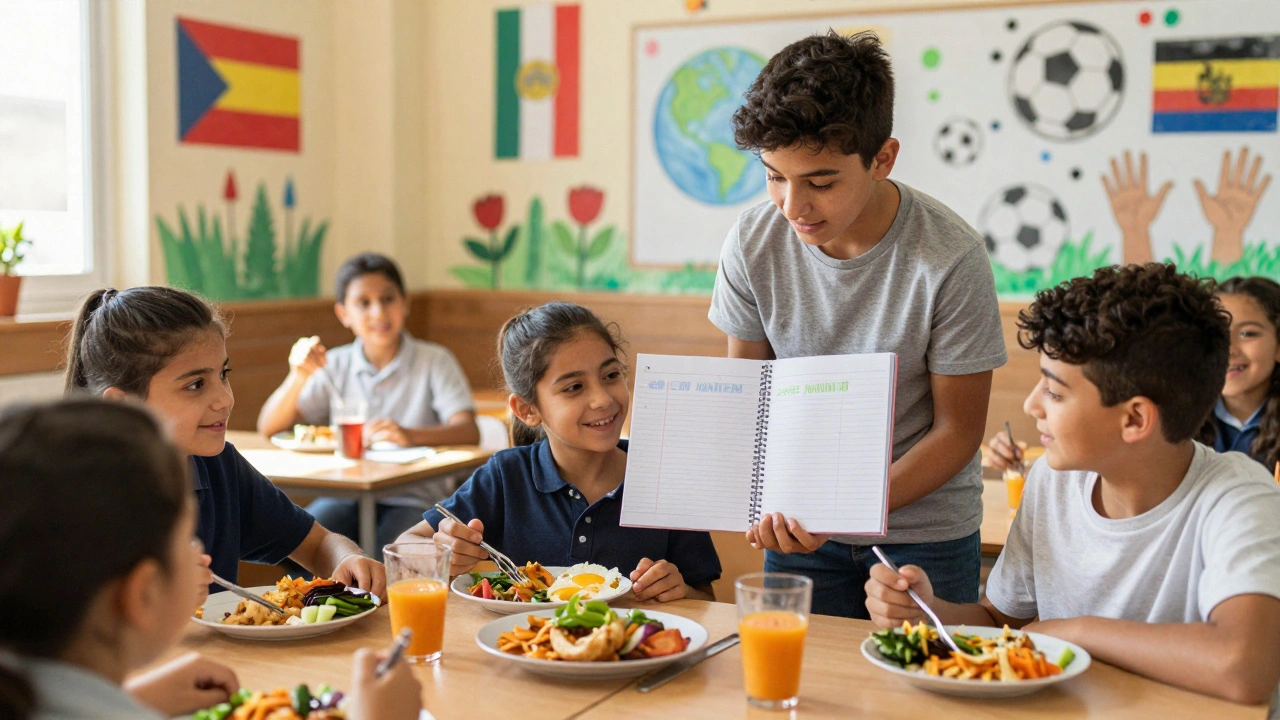
Take Spain. In Barcelona, schools began assigning "buddy systems"-each newcomer was paired with a local student who helped them navigate the day, translate notes, and even invite them to weekend soccer games. Within a year, bullying incidents dropped by 45%. Attendance rose. Teachers reported better classroom dynamics.
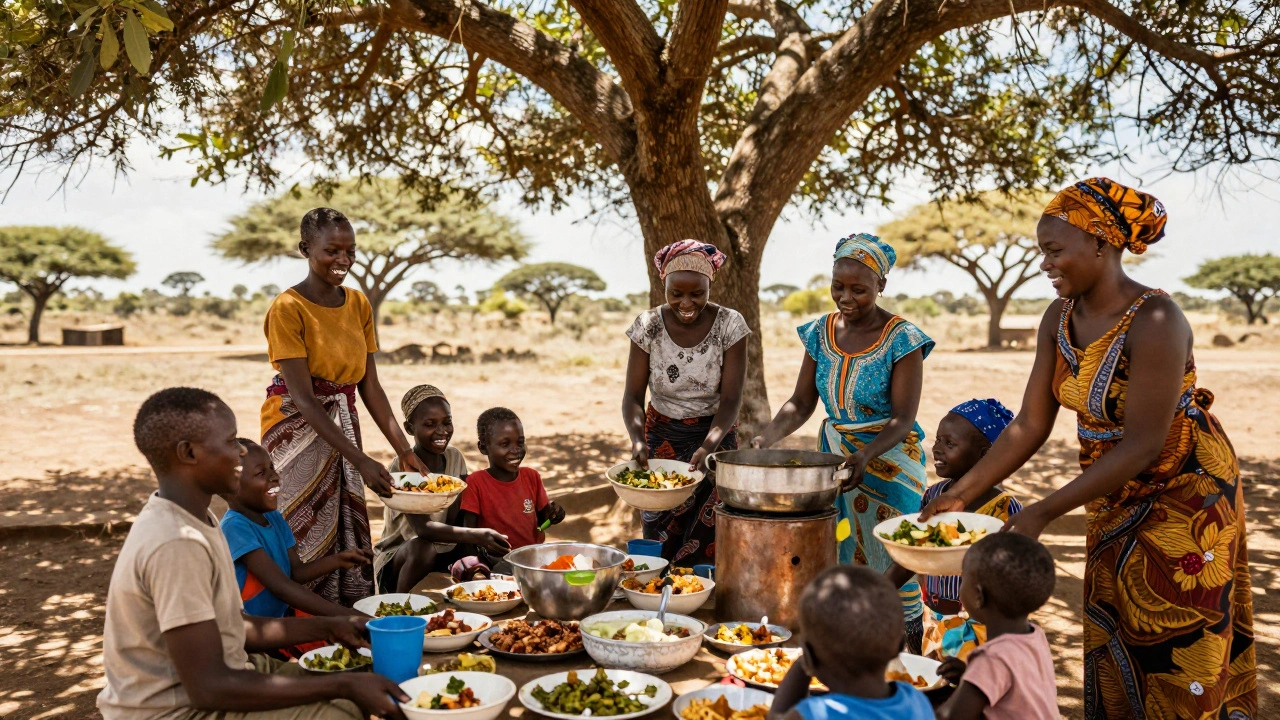
Online learning tools help too. Free apps that teach vocabulary through cooking videos or job interviews make language learning feel practical, not like homework. And when schools host cultural days where families share food, music, or stories, it shifts the narrative. Kids don’t see "the new kid" as foreign. They see their friend’s mom’s empanadas or their classmate’s dad’s drumming.
Healthcare Is a Bridge, Not a Barrier
When a migrant avoids the doctor because they fear being reported, or can’t find someone who speaks their language, the cost isn’t just medical. It’s social. Untreated illness spreads. Stress grows. Distrust builds.
Healthcare workers need training-not just in translation, but in cultural context. A woman from Somalia might not speak up about postpartum depression because she’s taught to endure silently. A man from Afghanistan might avoid mental health services because trauma is seen as weakness. Training staff to recognize these patterns saves lives.
And it’s cheaper. A study in Greece found that providing interpreters and culturally adapted care to migrant populations reduced emergency room visits by 30% over two years. That’s not just compassion. It’s fiscal responsibility.
Build Spaces for Real Contact
People fear what they don’t know. But they also fear what they’ve been told. Media often amplifies the worst cases: crime, welfare abuse, overcrowding. Meanwhile, the quiet successes-migrant teachers, local business owners, volunteers at food banks-go unnoticed.
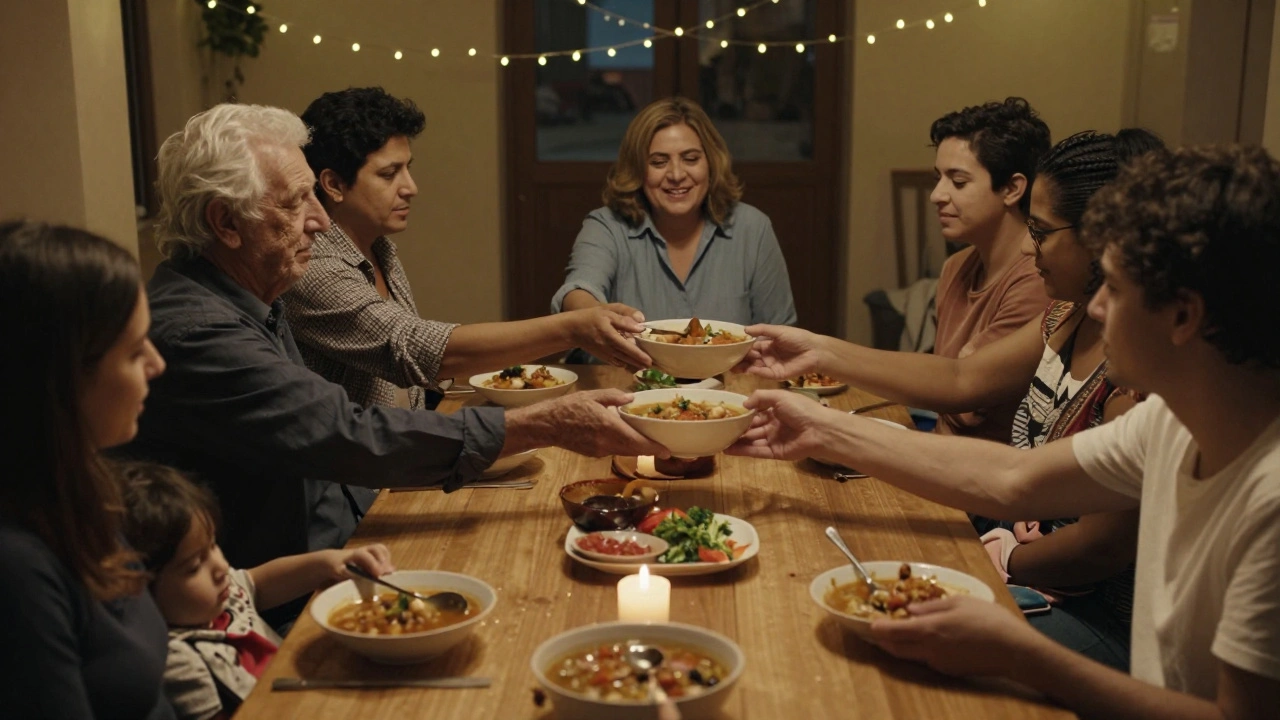
That’s why cities like Bologna, Italy, started "Story Circles." Local residents and newcomers sat together, shared meals, and told stories about where they came from and what they hoped for. No politicians. No panels. Just people. Over 80% of participants said their views on migration changed after one session.
Art helps too. Murals painted by migrant youth in public squares. Theater groups that perform plays written by refugees. Film festivals where stories are told in the original language-with subtitles. These aren’t just cultural events. They’re tools for rewriting the narrative.
Let People Participate-Really Participate
When you exclude people from decision-making, they become outsiders. Even if they have papers, even if they pay taxes, even if their kids go to your schools. They still feel like guests.
Some cities now include migrant representatives on city councils. Not as token voices, but as voting members. Others hold monthly town halls in multiple languages, with interpreters and childcare provided. In Cyprus, a migrant-led advisory group helped redesign housing policies after showing how current rules pushed families into unsafe apartments. The changes? Lower income thresholds, faster processing, no more 90-day waiting periods.
And don’t forget civic education. Teaching newcomers about local laws, voting rights, and how to file complaints isn’t about control. It’s about dignity. When people know how to navigate systems, they stop feeling powerless. And when locals see them using those systems responsibly, fear turns to respect.
Stop Fighting Stereotypes-Replace Them
Politicians love to talk about "the migrant problem." But the real problem is the story we keep telling ourselves. That migrants take jobs. That they drain resources. That they don’t want to belong.
Here’s what the data says: migrants in the U.S. are 80% more likely to start businesses than native-born citizens. In Germany, migrant workers filled 30% of open nursing positions in 2024. In Spain, over 60% of seasonal farm workers are migrants-and they keep the food supply running.
So why does the fear persist? Because we don’t hear these facts. We hear headlines. That’s why storytelling matters. Platforms where migrants film their own videos-showing their daily routines, their children’s first school plays, their quiet acts of kindness-are more powerful than any press release. When a woman from Honduras shows her neighbors how she saved $500 to send back home while working two jobs, it doesn’t fit the "burden" narrative. It fits the human one.
Local Action Beats National Rhetoric
Don’t wait for Congress or Parliament to fix this. Real change happens at the city level. A mayor in Albuquerque, for example, started a "Neighbor-to-Neighbor" program that matched long-time residents with new arrivals for monthly coffee meetups. No agenda. Just conversation. Over 1,200 pairs joined in the first year. Many became friends. Some even helped each other with taxes or car repairs.
These programs don’t cost much. They just need commitment. And they work because they’re personal. When someone says, "I used to think they were all here for handouts," and then meets Maria, who runs the laundromat and tutors kids after hours-that belief doesn’t survive.
What Happens When You Don’t Act?
Ignoring integration doesn’t make migration disappear. It makes resentment grow. Communities that don’t build bridges become divided. Schools become segregated. Businesses lose talent. Health systems get overwhelmed. And politicians? They feed the fear.
Look at cities that tried to block integration: housing shortages got worse. Schools became overcrowded without support. Local economies stalled. Public trust in government dropped. The backlash didn’t stop migration. It just made it harder-and more painful-for everyone.
The Real Secret? Fairness
People don’t mind newcomers. What they mind is unfairness. When the rich get tax breaks and the poor get blamed. When the system works for some and not others. When the same rules don’t apply to everyone.
Integration works when it’s built on fairness. Equal access to jobs. Equal support in schools. Equal respect in hospitals. Equal voice in meetings. When newcomers see that the rules apply to them-and that they’re allowed to help shape those rules-they stop being "the other." They become part of the fabric.
And when long-time residents see that their neighbors are working, paying taxes, raising kids, and contributing? The fear fades. The community gets stronger. And politics? It starts to reflect that reality-not the fear.