Renewable Energy Workforce Gap Calculator
The U.S. renewable energy sector isn’t just growing-it’s reshaping the entire labor market. As solar panels cover rooftops, wind turbines spin across the Great Plains, and power lines get upgraded to handle clean electricity, the demand for skilled workers is outpacing supply. This isn’t a future forecast. It’s happening right now. In 2024, over 3.6 million Americans worked in clean energy, and that number is climbing fast. But here’s the problem: we don’t have enough trained people to keep up.
Solar Jobs: More Than Just Installing Panels
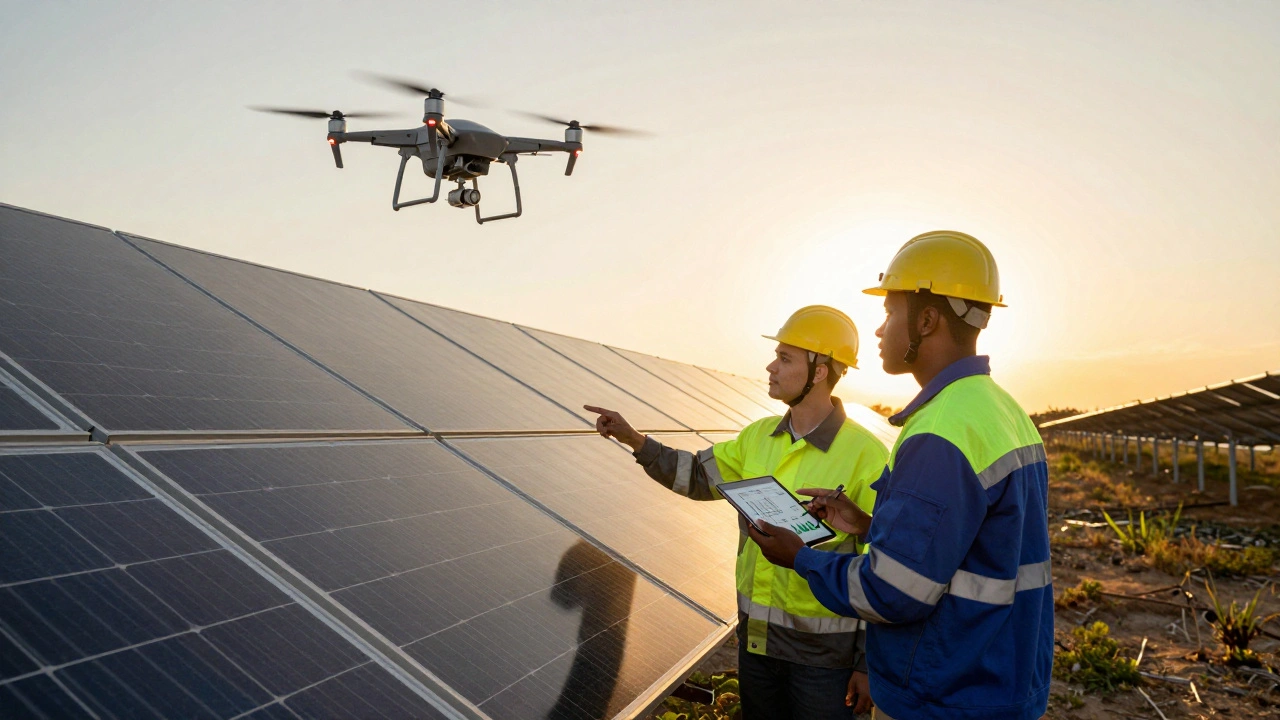
Solar energy employs nearly 370,000 workers in the U.S., but that number hides a deeper shift. The biggest growth isn’t in installing panels anymore-it’s in operations and maintenance. In 2019, there were just over 11,000 O&M jobs. By 2024, that jumped to 21,800. Why? Because we’ve installed so many systems that keeping them running has become a full-time job. Solar farms now need technicians to monitor performance remotely, clean panels, replace inverters, and fix wiring issues. These aren’t entry-level gigs. They require electrical knowledge, diagnostic skills, and comfort with digital tools.
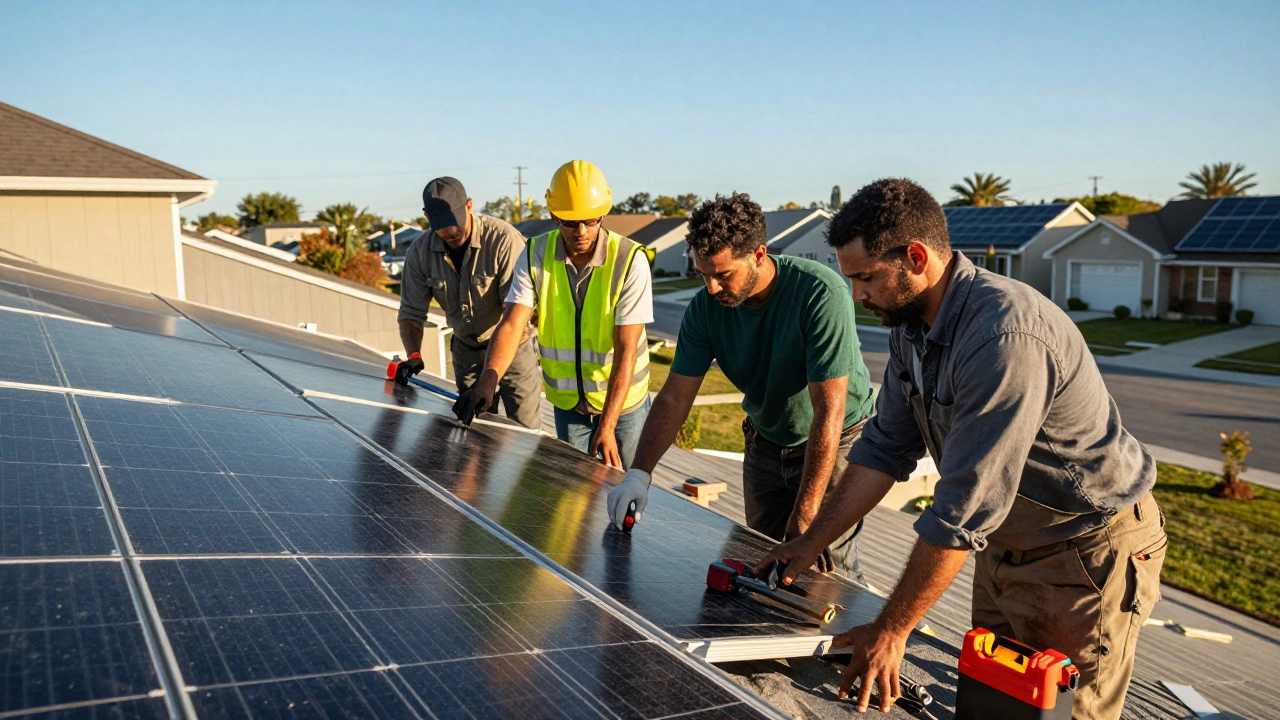
Installation jobs still dominate the numbers, with 178,000 workers in 2024. But even here, things are changing. Residential solar installers used to work in teams of four or five. Now, thanks to modular components and better scheduling software, teams of two or three can do the same job faster. That’s good for efficiency-but bad for job growth. The industry is getting smarter, not just bigger. And that means fewer hands needed per project, even as the number of projects surges.
Manufacturing is where things could explode. Right now, only 32,500 people work in solar panel and battery production. But if every factory announced since 2022 actually opens, that number could jump to 75,000 by 2030. That’s tens of thousands of new jobs in welding, assembly, quality control, and logistics. But we’re not ready. There’s a shortage of welders, electricians, and CNC operators. Without them, those factories stay empty.
Wind Energy: The Silent Job Engine
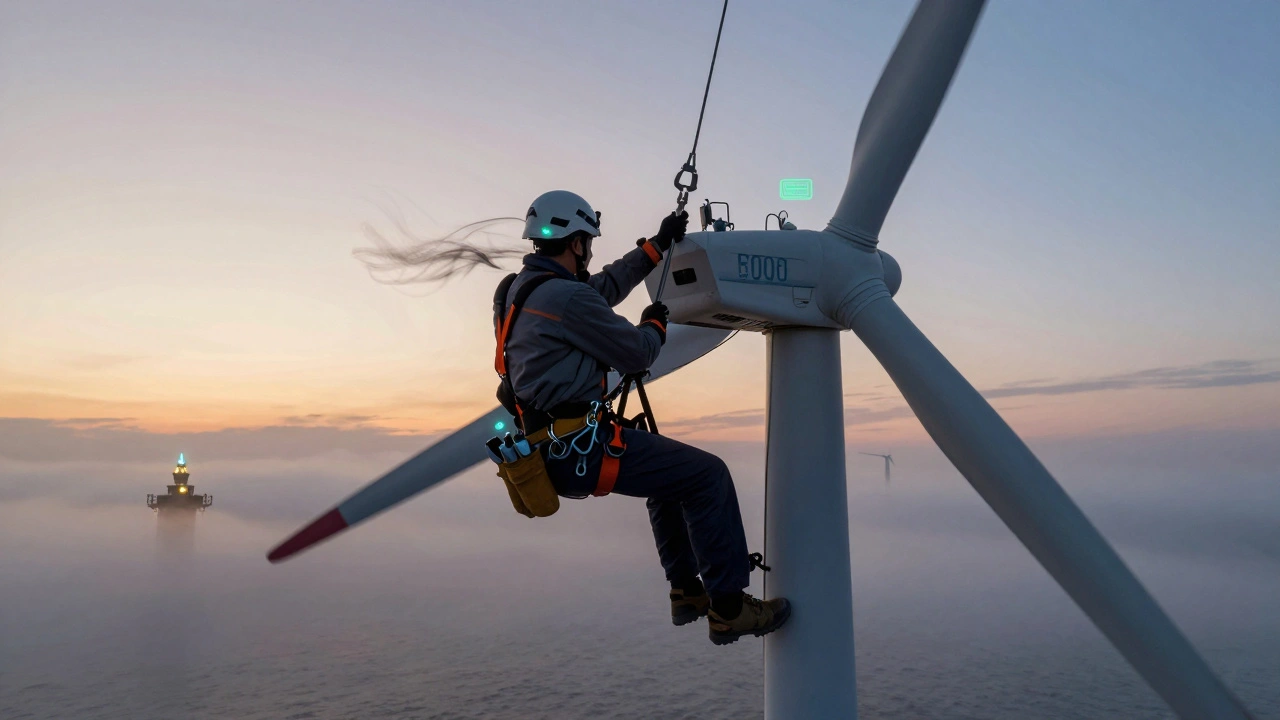
Wind energy doesn’t get as much attention as solar, but it’s a powerhouse for hiring. Wind turbine service technicians are the fastest-growing job in the entire U.S. energy sector between now and 2034. That’s not a guess-it’s a federal labor forecast. These workers climb turbines, sometimes over 300 feet high, to repair gearboxes, replace blades, and fix electrical systems. It’s dangerous, physical work. And it pays well. Median wages for wind techs hit over $57,000 in 2024, with top earners making more than $80,000.
But here’s the catch: there aren’t enough people trained to do this. Most wind techs come from the military, aviation maintenance, or heavy equipment backgrounds. Community colleges don’t have enough wind-specific programs. Apprenticeships are slow to scale. And many of the current workers are nearing retirement. The average age of a wind technician is 46. That means we’re looking at a wave of retirements just as demand peaks.
Wind farms are also getting bigger. Offshore turbines now reach 15 megawatts-three times the size of a decade ago. These machines need specialized crews, advanced diagnostics, and remote monitoring systems. That’s not just a job-it’s a new career track. We need people who can read sensor data, interpret AI-driven maintenance alerts, and work with drones that inspect blades from the air.
Grid Modernization: The Hidden Workforce Crisis
Here’s what most people don’t realize: solar and wind alone won’t power the future. You need a smarter grid. That means upgrading transformers, replacing old poles, adding battery storage hubs, and installing smart meters that balance supply and demand in real time. That’s where 173,000 clean energy workers are already employed-and where we need 500,000 more by 2030.
Electricians are the backbone of this effort. But there’s a looming shortage. By 2034, the U.S. will need 77,400 new electricians just to keep up with general demand. And 30% of union electricians will retire in the next ten years. That’s not a gap-it’s a cliff. The same goes for linemen, substation technicians, and control room operators. These aren’t jobs you can learn from a YouTube video. They require years of hands-on training, apprenticeships, and certifications.
Grid modernization also means integrating storage. Battery systems now make up nearly 10% of all clean energy jobs. But installing a 10-megawatt battery array isn’t like hooking up a home solar system. It involves high-voltage safety protocols, thermal management systems, and cybersecurity protections. Workers need to understand both electrical engineering and data networks. That’s a rare skill set-and we’re not training enough people for it.
Who’s Hiring? And Who’s Missing?
The renewable energy workforce is aging. Nearly half of all workers are over 45. Only 19% are under 35. That’s not sustainable. Younger workers aren’t walking into these jobs because they don’t know they exist-or they think they’re too hard, too dangerous, or not worth the effort.
Wages are rising. Over 51% of energy workers got a raise in 2025. Twenty percent got more than a 5% bump. And 73% expect another raise in 2026. But that’s not enough to pull in new talent. The problem isn’t pay-it’s perception. People still think of solar jobs as “temporary” or “niche.” They don’t realize these are skilled trades with pensions, benefits, and long-term career paths.
And then there’s the geographic divide. Most new jobs are in the South and West. Texas, California, Florida, and Arizona are seeing the biggest spikes. But in the Midwest and Northeast, training programs are underfunded. Rural communities lack access to community college programs. Apprenticeships are harder to find. If we don’t fix this, we’ll end up with a clean energy economy that only works in a few states.
What’s Holding Us Back?
We have the money. We have the technology. We have the demand. What we don’t have is a workforce pipeline.
High school counselors aren’t talking about wind tech or grid modernization as viable careers. Vocational schools don’t have enough funding to buy turbine simulators or battery testing rigs. Labor unions are struggling to recruit new members. And federal training grants are too slow to scale.
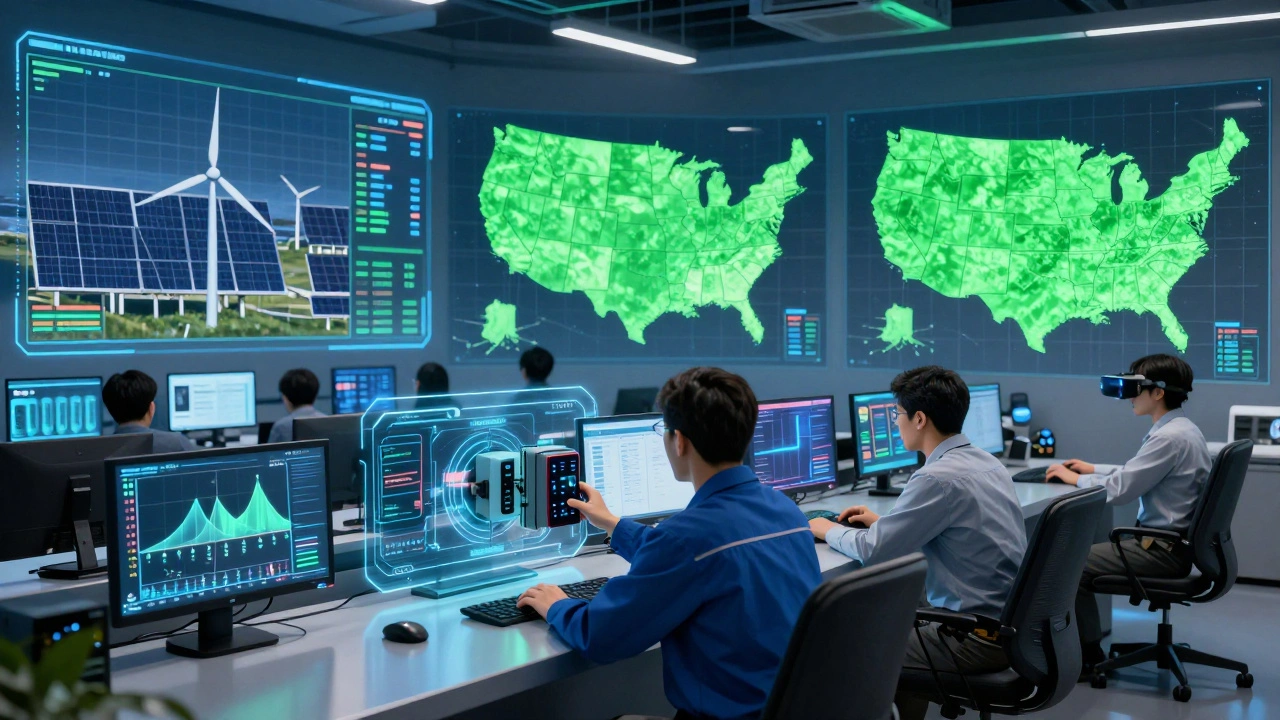
Automation is helping-robots now handle panel cleaning, drones inspect wind blades, and AI predicts maintenance needs. But automation doesn’t replace workers-it changes them. The next generation won’t be lifting panels. They’ll be programming robots, analyzing data streams, and managing remote operations. That requires a whole new kind of training. Not just hands-on skills-but digital fluency.
The solution isn’t more slogans. It’s investment. In community colleges. In apprenticeships. In partnerships between utilities, manufacturers, and local governments. We need programs that don’t just teach how to install a solar panel-but how to maintain a smart grid.
What Needs to Happen Next
- Expand apprenticeships-Link every new solar or wind project to a local training program. Make it mandatory, not optional.
- Modernize vocational education-Give community colleges funding for real-world equipment: battery systems, smart inverters, drone kits.
- Target younger workers-Launch national campaigns showing wind techs and grid engineers as high-paying, respected careers-not just “green jobs.”
- Support rural access-Mobile training units, online certifications, and regional hubs can bring skills to places where colleges don’t reach.
- Partner with unions-Electricians, welders, and linemen unions have decades of training experience. Let them lead.
The renewable energy revolution isn’t about panels or turbines. It’s about people. We’re building the future, but we’re doing it with a workforce that’s too old, too small, and too unprepared. The jobs are there. The pay is good. The future is bright. But if we don’t train the next generation now, we’ll be stuck with empty factories, stalled projects, and a grid that can’t keep up.