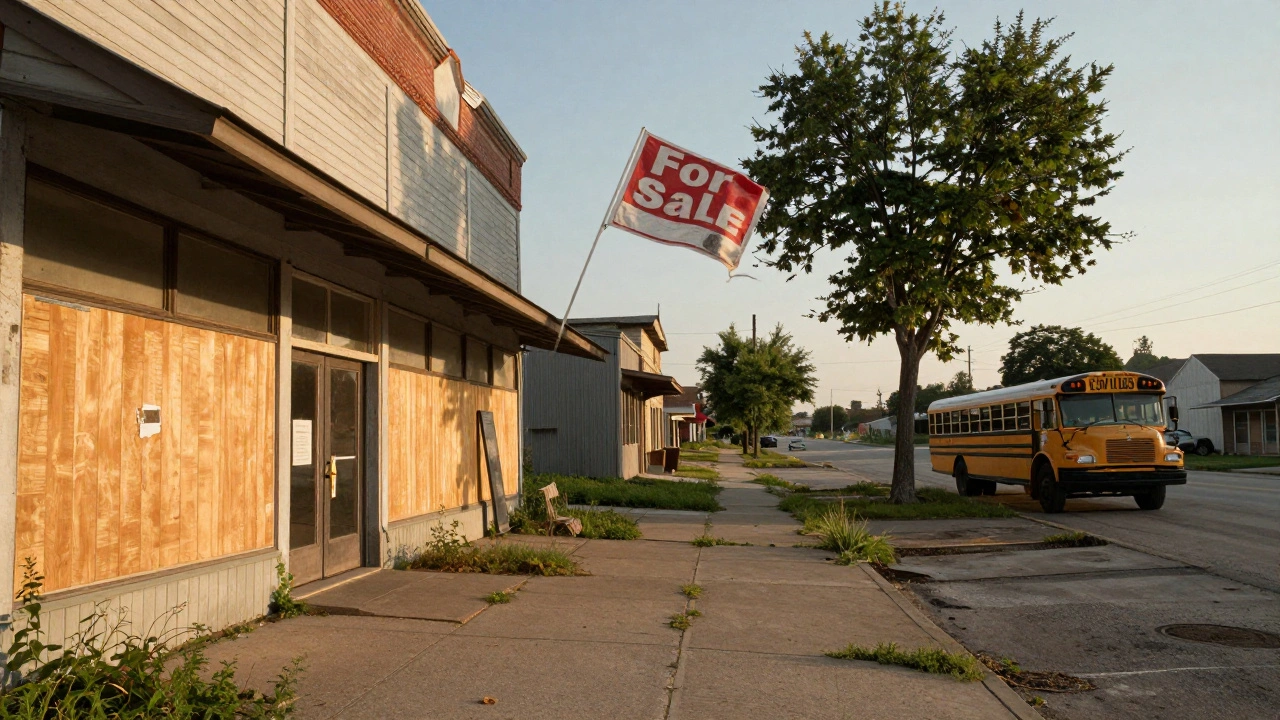
By 2023, rural depopulation had turned into a quiet crisis. In two out of every three rural U.S. counties, fewer people lived than in 2010. Schools closed. Clinics shut down. Main streets sat empty. And the people who stayed? Most were over 60. The young workers-the ones who could fix the roads, teach the kids, or open a new coffee shop-were gone. They moved to cities for jobs, for healthcare, for a sense of possibility. But here’s the thing: it doesn’t have to be this way. Some towns are turning things around. Not with big federal handouts, but with smart, local moves that actually work.
Why Young People Leave-And Why It’s Hard to Get Them Back
It’s not that rural areas are boring. It’s that they’re missing the basics. A 25-year-old with a degree in nursing or engineering doesn’t stay because there’s no job that pays enough, no reliable internet to work remotely, and no pediatrician nearby if they have a kid. In 77% of rural counties, the working-age population has shrunk over the last 20 years. That’s not a coincidence. It’s a system failure.
And it’s not just about jobs. It’s about the whole ecosystem. If a town loses its high school, parents leave. If the nearest hospital closes, families pack up. Even if someone moves back-say, a 32-year-old who got tired of city rent-they find the same problems: no daycare, no grocery store open after 7 p.m., and no one their age to hang out with.
Meanwhile, the population that’s left is aging fast. Since 2017, rural counties have had more deaths than births every single year. In 2020-2024 alone, rural areas saw 563,550 more deaths than births. That’s like a small city vanishing-not from a disaster, but from slow, steady decline.
Who’s Actually Moving In-And What’s Changing
Here’s the surprising part: rural America isn’t shrinking everywhere. Between 2023 and 2024, rural counties gained 134,000 people. That’s not a boom, but it’s the first net gain in nearly a decade. And who’s moving in? Not just retirees. A lot of them are prime-age adults-30 to 49 years old-working remotely, looking for space, lower taxes, and quieter streets.
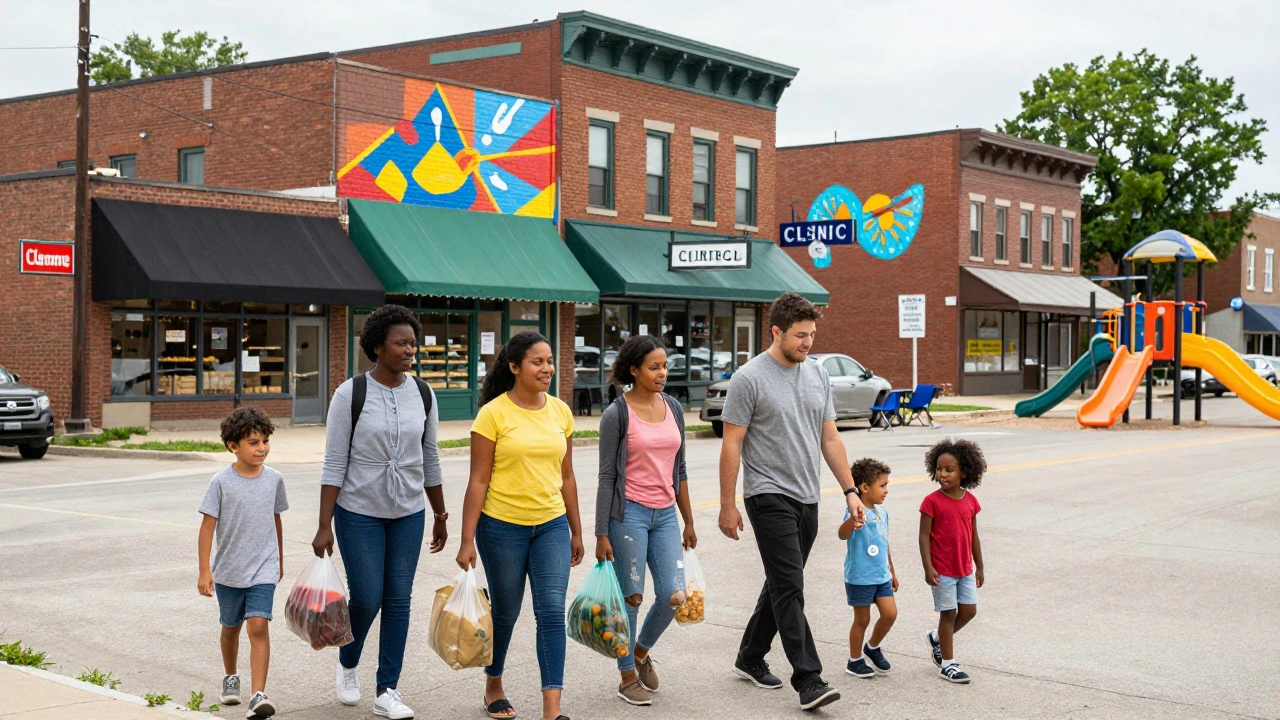
Take Minnesota’s Marshall. A town of 14,000, it lost 1,200 people between 2000 and 2015. Then, in 2021, it started actively recruiting immigrants from Africa, Latin America, and Southeast Asia. The town didn’t just open its doors. It built housing. It trained local staff to help new families enroll kids in school. It opened a bilingual clinic. By 2024, Marshall’s population had grown by 6%. And 17 new small businesses opened-most owned by newcomers.
Same story in Nebraska. A former meatpacking town called North Platte brought in refugees from Somalia and Bhutan. They turned empty storefronts into bakeries, laundromats, and auto shops. The school district, which had been down to 12 students in one grade, now has enough kids to reopen a second kindergarten class.
This isn’t charity. It’s economics. FWD.us found that adding just 200 to 300 new residents per county can reverse decades of decline. And those people? They’re not just filling seats. They’re paying taxes, buying gas, and hiring local contractors.
The Housing Problem-And How Some Towns Are Solving It
Every single community trying to bring people back says the same thing: we don’t have enough housing. In 67% of rural revitalization efforts, housing shortages are the #1 roadblock.
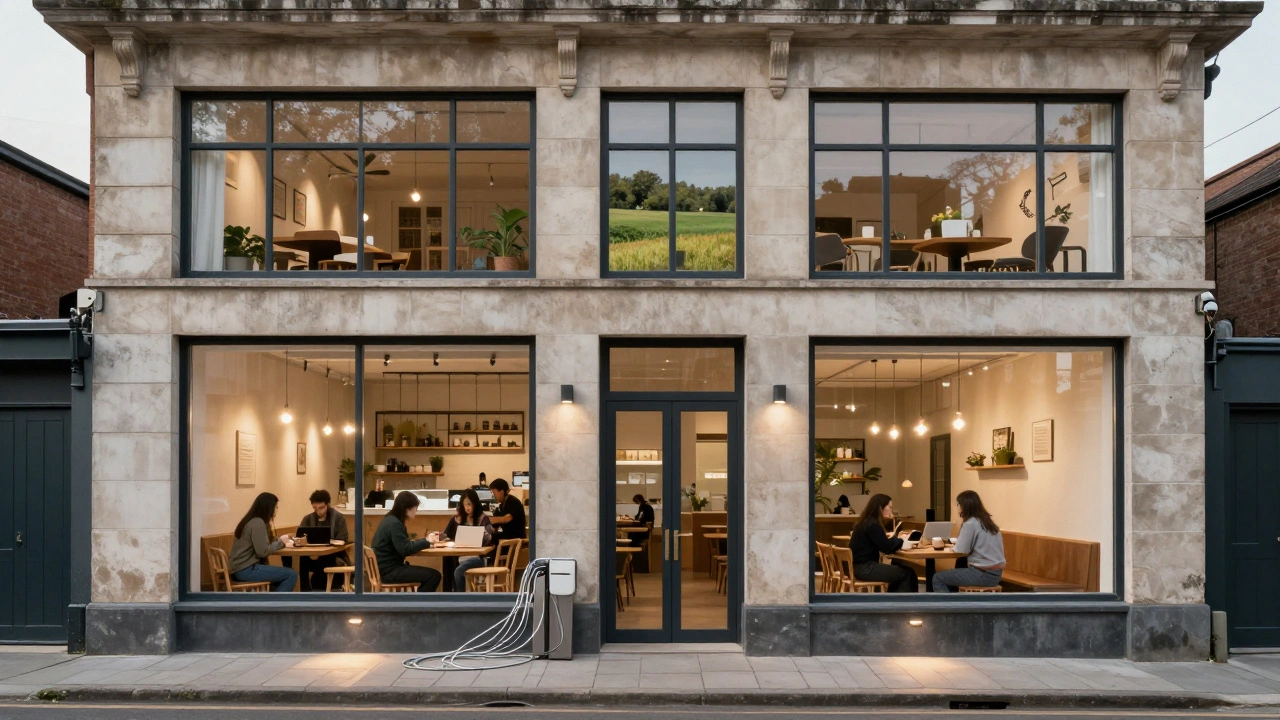
So what’s working? In Minnesota, the state launched “Main Street Homes.” Instead of building new houses from scratch, they bought up abandoned storefronts, banks, and old offices-and turned them into apartments. Between 2022 and 2024, they converted 140 buildings. The cost? Less than half of building new units. And the result? Young families moved in. One couple in Worthington, Minnesota, bought a 1920s bank building, fixed it up, and now runs a coffee shop downstairs and lives upstairs.
Other towns are using modular housing. In Iowa, a county partnered with a prefab builder to install 50 tiny homes on unused lots. Each home costs $85,000, comes with solar panels, and is rented to essential workers-teachers, nurses, EMTs-at below-market rates.
It’s not glamorous. But it’s practical. And it’s working.
Remote Work Is the Secret Weapon
Before 2020, most rural communities assumed they had to compete with cities for jobs. Now, they don’t. Remote work changed everything.
Dr. David Brown from Cornell says the pandemic unlocked something big: people who used to need to live near an office can now live anywhere. And they’re choosing rural areas-especially those within 50 miles of a city. Why? Lower cost of living, more space, better schools, and slower pace.
Between 2020 and 2024, 17% of newcomers to rural counties said their job allowed them to work from home. That’s not a small number. It’s a shift. Towns that upgraded their broadband-like those in the Appalachian region-saw a 30% spike in new residents. One town in West Virginia added 400 people in two years because they installed fiber-optic lines and started offering $5,000 relocation grants to remote workers.
You don’t need to be Silicon Valley. You just need reliable internet, a quiet corner to Zoom from, and a community that welcomes you.
Immigration Isn’t a Threat-It’s a Lifeline
Let’s be honest: many rural towns are scared of immigration. They’ve never had many newcomers. They don’t know how to help them. But the data doesn’t lie.
Communities that embraced immigrants saw their population growth double. In Kansas, a town called Liberal brought in refugees from Sudan and Syria. They didn’t just survive-they thrived. The local high school, which had been shrinking, now has 12 languages spoken. The grocery store doubled its sales. The church started hosting potlucks in four different cuisines.
It’s not magic. It’s planning. FWD.us and New American Economy created a “Rural Immigration Toolkit” that walks towns through the steps: train school staff, partner with churches, help newcomers get licenses, host welcome events. The biggest mistake? Waiting for immigrants to show up. The winning move? Going out to find them.
And it’s cheap. The average cost to attract one immigrant family? About $3,000. That’s less than the cost of one new ambulance. But the return? New businesses, more students, and a renewed sense of community.
What Doesn’t Work-And Why
Not every plan works. Some towns spend millions on festivals, parades, or “arts districts” that draw a few hundred people for one weekend. Then they wonder why no one stays.
Or they wait for big corporations to move in. That rarely happens. Amazon won’t open a warehouse in a town with 3,000 people. And even if they did, the jobs wouldn’t match the skills of the people who left.
Another trap? Thinking it’s all about money. The federal government gives out $1.2 billion a year in rural development grants. But only 38% of eligible towns even apply. Why? Because the paperwork is a nightmare. Small towns don’t have grant writers. They don’t have time.
What works instead? Simple, local action. A town council that meets every month. A high school teacher who starts a “Future in Rural Life” club. A local bank that offers low-interest loans to young entrepreneurs. A Facebook group where people share job openings and housing leads.
How to Start-Even If You’re Just One Person
You don’t need to be mayor to make a difference. Here’s how to begin:
- Find the empty buildings. Talk to the owners. Ask if they’d rent them cheap to young families or remote workers.
- Connect with local schools. Ask if they have empty classrooms or need volunteers to tutor ESL students.
- Reach out to immigrant resettlement agencies. They’re looking for places to send families. Most are desperate for rural partners.
- Start a “Welcome Committee.” Just five people who meet once a month to help newcomers find a doctor, enroll kids, or get a driver’s license.
- Use federal grants-but simplify them. Team up with a nearby town. Share a grant writer. Apply together.
It’s not about big ideas. It’s about showing up. Consistently. For years.
The Future Isn’t Written
Some experts say rural America is doomed. They point to aging populations, falling birth rates, and shrinking tax bases. But they’re ignoring what’s already happening.
People are moving back. Not in droves. But in numbers that matter. A town that gains 50 people might not make headlines. But if those 50 people open a bakery, hire two staff, and send their kids to school? That’s a new future.
Rural depopulation isn’t a death sentence. It’s a design flaw. And like any design flaw, it can be fixed-with patience, creativity, and a willingness to welcome people who are different.
The question isn’t whether rural towns can survive. It’s whether the people who care about them are ready to build something new.