Sanctions Exposure Calculator
Assess Your Sanctions Exposure
Enter basic business details to calculate your sanctions exposure risk score based on the latest compliance frameworks.
(How many supplier levels in your supply chain)
Exposure Assessment
Your Risk Score:
0
Recommended Actions:
- Implement layered supply chain mapping
- Review ownership structures up to 3 tiers deep
- Validate all third-party partners against updated sanctions lists
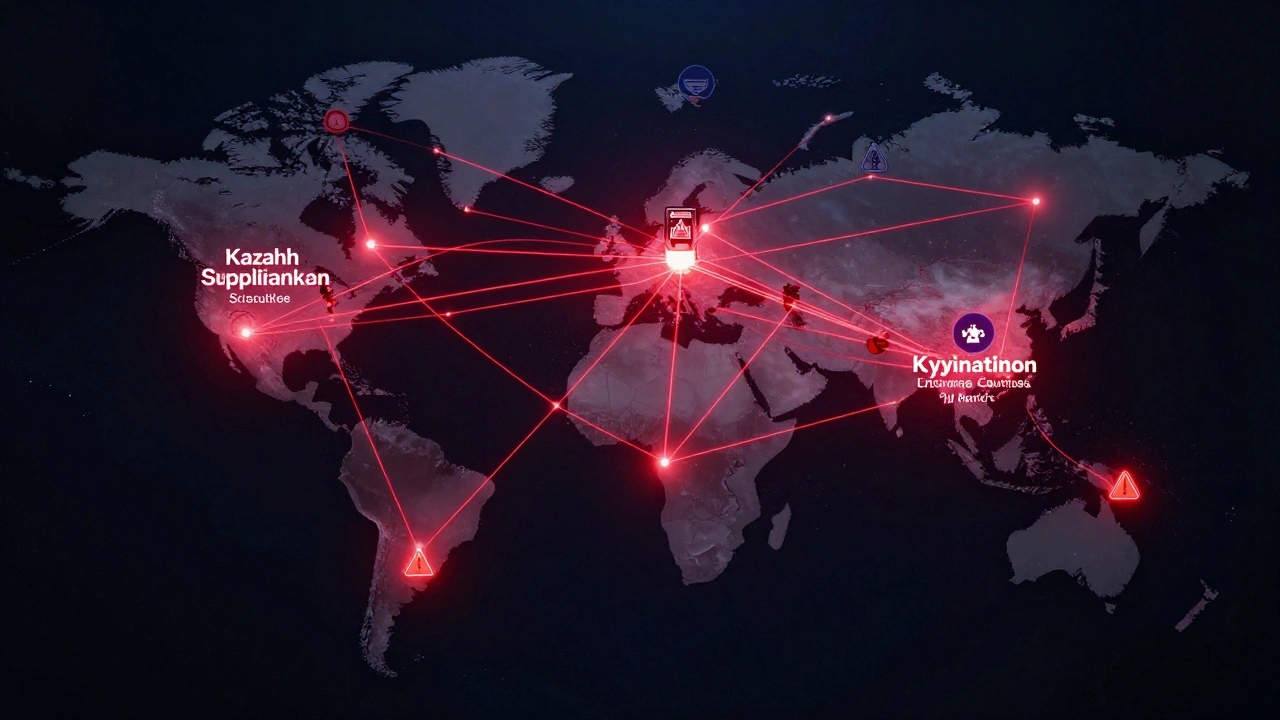
When your company ships goods from Germany to Nigeria, and one of your suppliers in Kazakhstan uses a Russian component banned under EU rules, you’re not just dealing with a supply chain hiccup-you’re risking fines up to 5% of your global turnover and possible jail time for executives. This isn’t science fiction. It’s today’s reality for multinationals navigating the world’s most complex compliance landscape since the Cold War.
Why Sanctions Exposure Mapping Is No Longer Optional
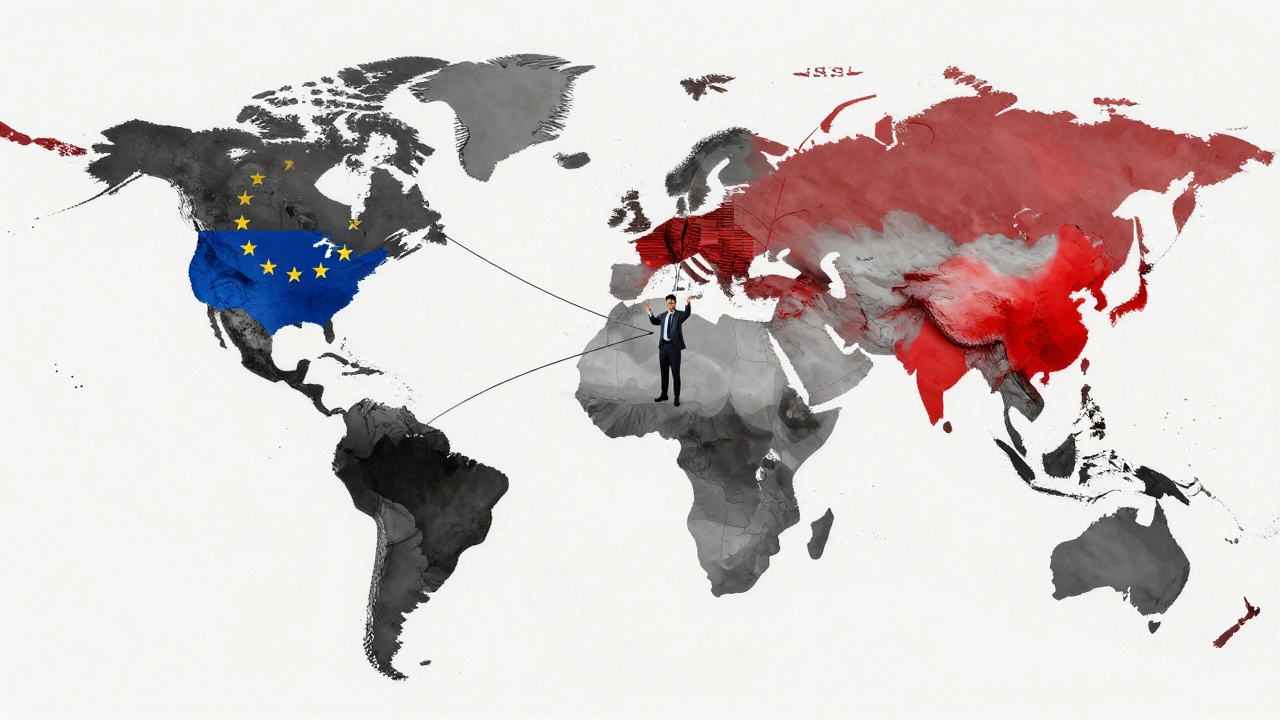
Ten years ago, compliance teams checked names against OFAC’s Specially Designated Nationals list. If your customer wasn’t on it, you were fine. Today, that’s like locking your front door but leaving the back window wide open. Sanctions exposure mapping changes the game. It’s not about checking names anymore. It’s about tracing ownership chains, mapping logistics routes, and spotting hidden connections between your suppliers, partners, and the people or countries under sanctions. The EU’s Directive 2024/1226, which came into force in early 2025, turned violations into criminal offenses. The U.S. expanded secondary sanctions under Executive Order 14071. Now, even if a transaction is legal in your country, you can still be punished if you’re doing business with someone tied to a sanctioned entity. Companies that treat this as a checkbox exercise are already getting hit. A European energy firm discovered in late 2025 that a third-tier supplier in Kazakhstan was sourcing a critical valve from a Russian company blacklisted under EU Regulation 807/2014. The supplier wasn’t on any list. The Russian company wasn’t directly connected to them. But the valve’s origin was. That’s indirect exposure-and it’s costing firms millions in fines and lost contracts.The Three Types of Sanctions You Can’t Ignore
Not all sanctions are the same. Understanding the difference is the first step to mapping your exposure.- Comprehensive sanctions shut down entire countries. Think Cuba, Iran, North Korea, and parts of Ukraine. No trade. No banking. No exceptions. Even humanitarian aid needs special licenses.
- Sectoral sanctions target industries. Russia’s energy, defense, and finance sectors are under heavy restrictions. If your company buys turbines from a Russian firm-even if the firm isn’t on a list-you could be violating OFAC’s Sectoral Sanctions Identifications List (SSIL).
- List-based sanctions go after individuals and specific entities. These are the names you find on OFAC’s SDN list or the EU’s consolidated list. But here’s the catch: if you’re doing business with someone who owns 50% or more of a sanctioned entity, you’re also sanctioned-even if that entity isn’t named.
The Hidden Web: Ownership, Supply Chains, and Secondary Risks
Most companies think they’re safe if their direct partners are clean. They’re wrong. Advanced exposure mapping looks three layers deep. It asks: Who owns your supplier? Who owns their supplier? Who owns the shipping company that moves the goods? And where do those routes go? One banking executive told FinTech Global in September 2025 that implementing ownership mapping cut their false positives by 63% and uncovered 17 previously hidden exposure points across their supply chain. How? They traced a logistics provider in Ghana back to a shell company in Cyprus, which was controlled by a sanctioned individual in Belarus. The Ghanaian firm wasn’t listed. The Cyprus entity wasn’t listed. But the ownership chain was. Secondary sanctions are even trickier. The U.S. can penalize a company in India for buying oil from a sanctioned Iranian tanker-even if India has no sanctions of its own. The EU is doing the same with its new anti-circumvention measures, targeting third-country service providers who help sanctioned entities evade restrictions. This means your compliance team can’t just look at your direct vendors. They need to map your entire value chain. That includes freight forwarders, customs brokers, payment processors, and even consultants hired locally.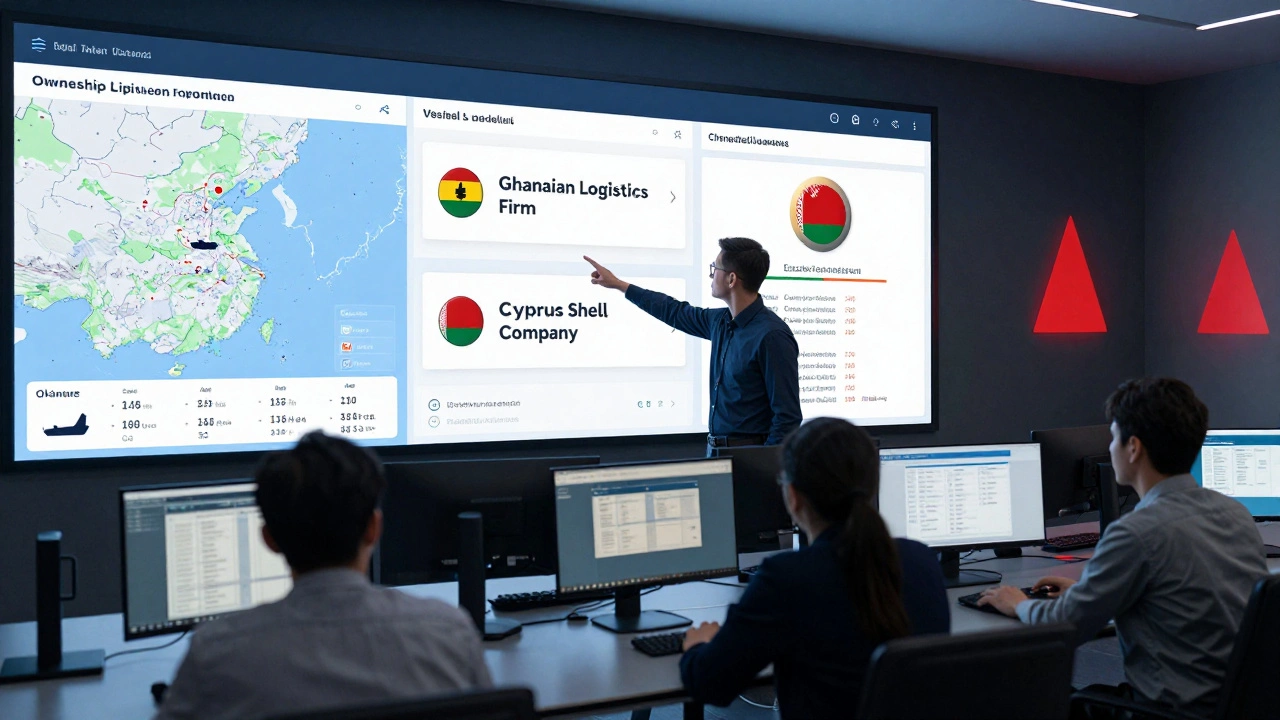
Where the System Breaks Down
Sanctions exposure mapping sounds simple. But the reality is messy. First, data is fragmented. There are over 1,200 official sources of sanctions data globally. The U.S., EU, UK, UN, and 68 other countries have their own lists. And only 22% of the 84 jurisdictions with autonomous sanctions publish complete, machine-readable lists. The rest? PDFs. Handwritten names. Outdated websites. You’re expected to piece this together manually. Second, names don’t match. A company called “Global Energy Ltd.” in the U.S. might be “Global Energy LLC” in the UK and “GlobEnerg” in Russia. OpenSanctions found that 37% of sanctioned entities have multiple name variations across jurisdictions. Basic name matching tools fail here. Third, ownership is hidden. In the Middle East and Africa, 78% of corporate structures obscure beneficial ownership, according to Cedar Rose’s July 2025 analysis. Shell companies, nominee directors, and family trusts make it nearly impossible to trace who really controls a business. And then there’s alert fatigue. One compliance officer on Reddit reported 127 false positives for every true match in their OFAC screening system. Teams spend hours chasing ghosts while real risks slip through.What Works: Tools, Tactics, and Real-World Success
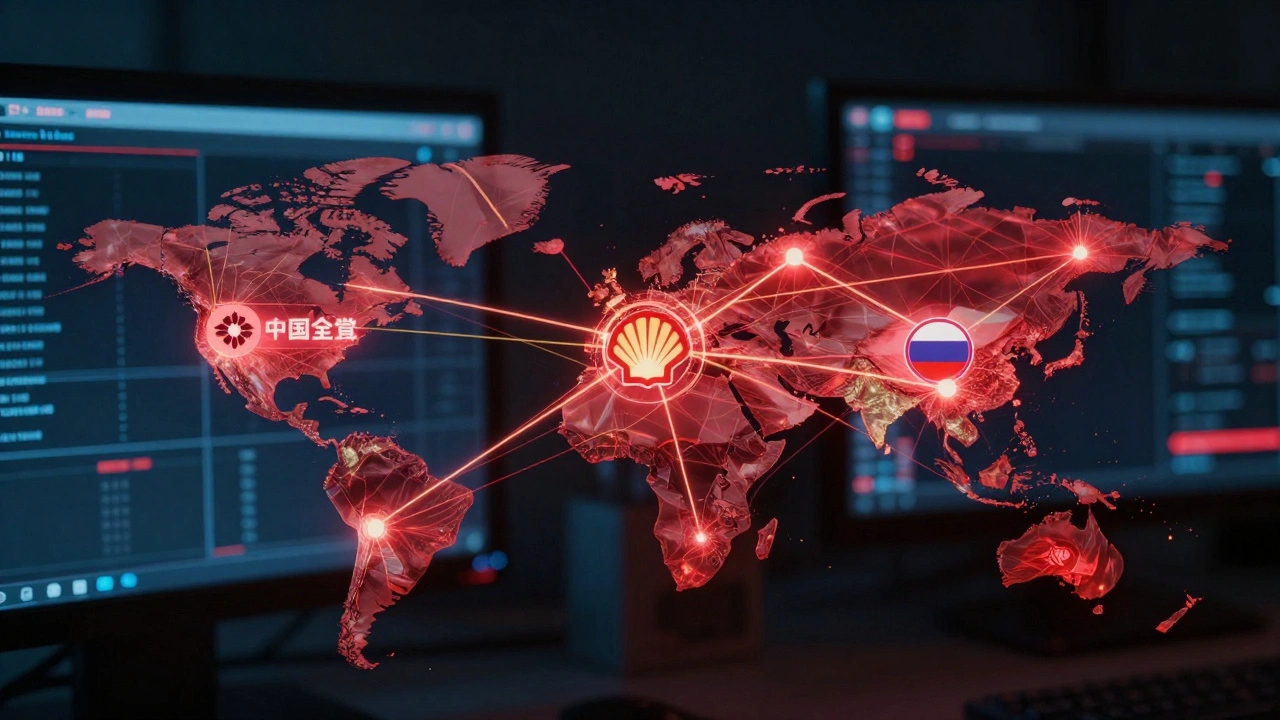
The market for sanctions compliance tech hit $4.7 billion in Q4 2025 and is growing at 18.3% annually. But not all tools are equal. Moody’s Grid platform, used by 42% of enterprise compliance teams, pulls data from over 1,200 regulators and updates daily. It doesn’t just check names-it maps ownership networks, tracks vessel movements, and flags entities with shared directors or addresses. That’s why 89% of Fortune 500 companies now have dedicated exposure mapping functions. Smaller firms can’t afford Moody’s. But they can still do better than spreadsheets. OpenSanctions offers free, open-source data that’s transparent and community-verified. Cedar Rose specializes in Middle East and Africa exposure, where most platforms fail. And even basic AI tools can now cluster similar names, detect patterns in corporate structures, and prioritize high-risk connections. The key isn’t the tool. It’s the process.- Map your top 100 suppliers by revenue and volume.
- Trace ownership up three levels.
- Map all shipping routes and ports used.
- Identify local service providers (lawyers, accountants, agents) in high-risk regions.
- Run monthly network scans-not just name checks.