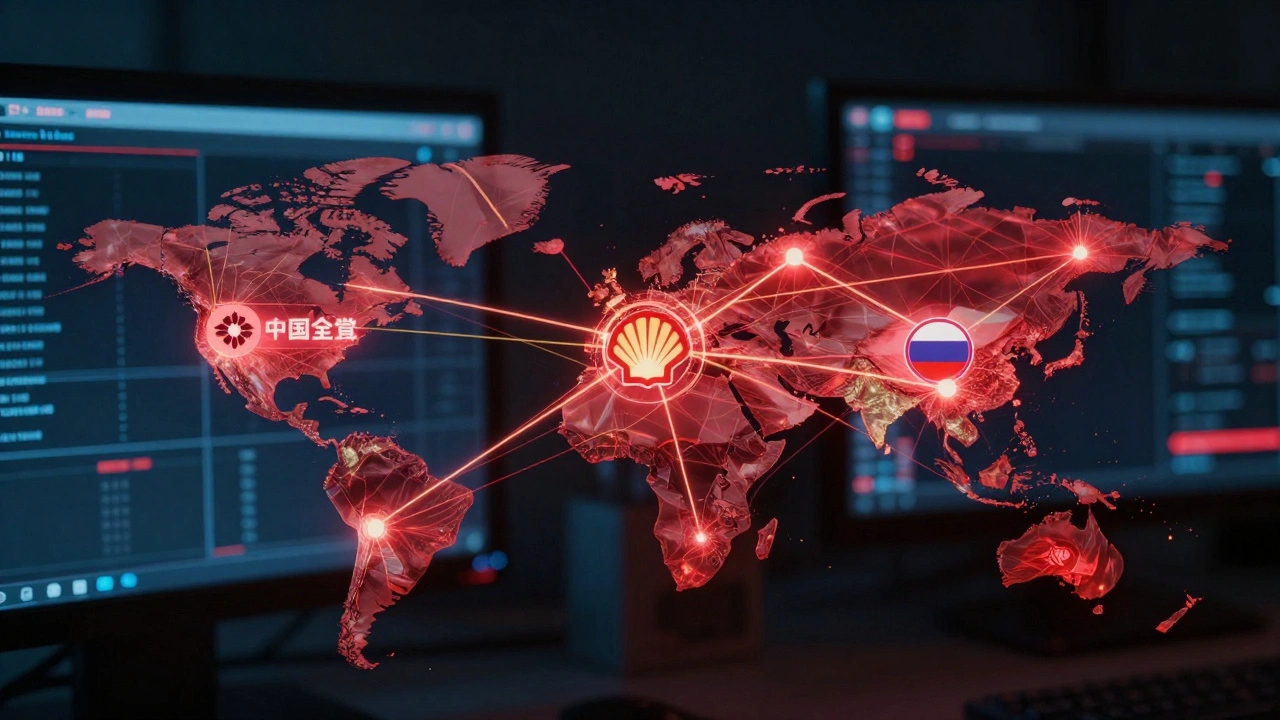
Financial institutions aren’t just avoiding sanctioned countries anymore-they’re cutting ties with anyone who might even look like they’re helping them. Since 2023, the global finance world has shifted from simple blacklists to a complex web of indirect risk detection. If your client’s supplier has a connection to a Russian shell company, or your investor’s fund holds shares in a Chinese tech firm tied to military research, you’re now at risk-even if you didn’t know it. This isn’t theory. It’s happening right now, and the penalties are real.
What De-Risking Really Means Today
De-risking used to mean walking away from Iran, North Korea, or Russia. Now, it means walking away from a Singapore-based trading firm because one of its directors once worked at a sanctioned Russian bank. It means turning down a private equity deal because the target’s logistics partner uses a vessel flagged in a country with loose reporting rules. The old rule-“if they’re not on the list, we’re fine”-is dead. The spider effect is the new reality. A single connection can pull in dozens of otherwise clean entities. The U.S. Treasury’s OFAC doesn’t just punish direct violations anymore. They go after the “reason to know” standard. If you should’ve found out about a hidden link through due diligence, you’re liable-even if you didn’t actually know. In 2026, this isn’t optional. The COINS Act expanded the Outbound Investment Security Program to include Cuba, Iran, North Korea, Russia, Venezuela, China, Hong Kong, and Macau. And the revised BIOSECURE Act blocks U.S. federal agencies from working with any company using biotech tools linked to those same countries. That means if you’re a vendor supplying lab equipment to a university that’s partnered with a Chinese research institute, you could lose your government contract overnight.How Screening Has Changed Since 2023
Five years ago, most banks ran name-matching software that flagged “Ivan Petrov” if he appeared on a sanctions list. Today, systems analyze 15 to 20 data points per transaction: ownership chains, geographic patterns, transaction timing, vendor relationships, even language used in payment descriptions. Leading platforms now use AI trained on millions of past violations. False positives have dropped from 5.2% in 2023 to just 0.8% in top-tier systems. That sounds great-until you realize what’s being caught now. One bank flagged a German machinery exporter because its shipping agent had a 12% ownership stake in a Ukrainian logistics company that once handled goods for a sanctioned Russian defense firm. The exporter had no idea. The bank cut them off anyway. Real estate and private equity are the worst-hit sectors. A JDSupra survey found 32% of screening alerts in real estate came from indirect ownership links-like a Cayman Islands fund holding shares in a Cyprus shell that owned a Russian property manager. Private equity firms saw 28% false positives from complex fund structures. Many firms responded by refusing to invest in any entity with ties to the “countries of concern,” even if those ties were decades old.The Global Patchwork of Rules
The U.S. plays hardball. In January 2026, OFAC fined Gracetown, Inc. $7.14 million for knowingly processing payments tied to a sanctioned Russian oligarch-even after being warned. IPI Partners got hit with $11.49 million for funneling money through layered shell companies to avoid detection. These aren’t outliers. They’re warnings. Europe takes a different path. The EU’s “compliance corridors” let banks process certain transactions with high-risk entities under strict oversight. But that creates its own problems. Sixty-eight percent of European banks say compliance costs jumped 15-25% since 2023. They’re stuck between U.S. penalties and EU flexibility, often choosing to avoid risk entirely rather than navigate the gray areas. Singapore and other Asian hubs tried to build middle-ground models. They allowed transactions through “trusted third-party verifiers”-local firms that vouched for client legitimacy. But U.S. regulators are now pressuring these intermediaries. In 2025, a Singaporean bank lost access to U.S. dollar clearing after OFAC found its verifiers didn’t properly screen the ultimate beneficiaries of transactions. The result? A fractured system. Where once money flowed through global networks, now it’s forced into silos. Iran’s banking relationships have collapsed by 92% since 2018. Venezuela’s oil sector is seeing minimal foreign investment, even as the U.S. signals potential relief for oil equipment exports. Banks are waiting. They won’t re-engage until political stability is confirmed-and even then, many won’t trust the new rules.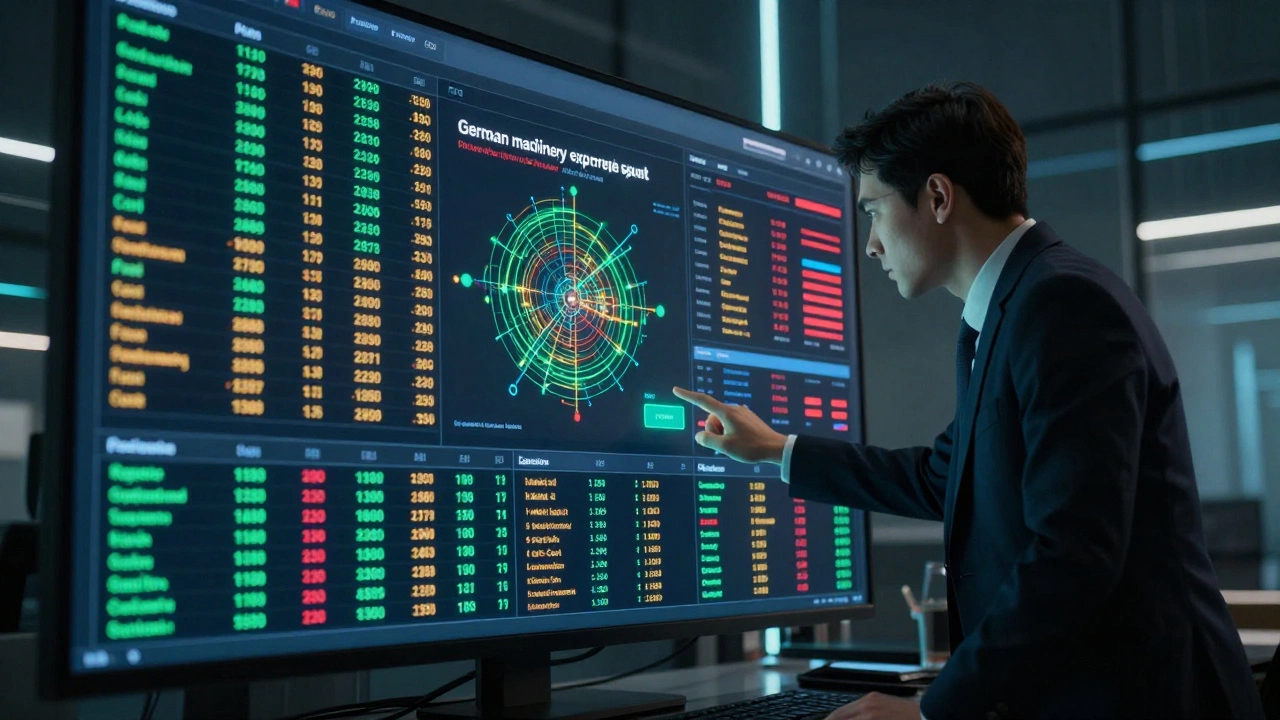
The Hidden Costs of Cutting Too Deep
De-risking isn’t free. Mid-sized institutions spend $2.5 million to $5.8 million to build compliant systems. Training takes 6-9 months for compliance staff. Eighty-two percent of senior compliance job postings now require Python or SQL skills. You’re not just hiring lawyers anymore-you’re hiring data scientists who can trace money flows through obscure corporate structures. The biggest mistake? Over-de-risking. When institutions cut ties with anyone who even looks risky, they create financial exclusion. Small businesses in Venezuela, independent traders in Iran, even humanitarian NGOs operating in conflict zones lose access to banking. That’s not just bad ethics-it’s bad for global stability. Professor Sarah Bloom Raskin put it bluntly: “The indiscriminate de-risking we’ve seen since 2022 has undermined the very financial transparency that AML laws were designed to create.” When you cut off entire sectors, you lose visibility. And when you lose visibility, you lose control. S&P Global warns that if current trends continue, cross-border transaction costs could rise by 3-4 percentage points by 2028. That’s not a small tax-it’s a barrier to trade that hits everyone except the biggest players.What Works: Hybrid Systems and Human Judgment
The most successful institutions aren’t the ones with the most AI. They’re the ones that combine AI with expert judgment. One major bank reduced false positives by 62% and increased detection of high-risk transactions by 37% by integrating sanctions screening with AML and export control systems. Instead of treating each compliance area as a separate silo, they built one platform that cross-referenced data across all risk domains. They also kept human analysts in the loop. AI flagged a transaction between a U.S. tech firm and a Dubai-based distributor. The system said “high risk” because the distributor’s owner had a past link to a sanctioned Russian entity. The analyst dug deeper: the owner had sold the business in 2020, moved to Canada, and had no involvement since. The deal went through. Without human review, the bank would’ve lost a profitable client. The best systems now use AI to surface anomalies-not to make decisions. Humans interpret context: Is this a legitimate supply chain? Is this a shell company trying to hide ownership? Is this a one-time payment or a pattern?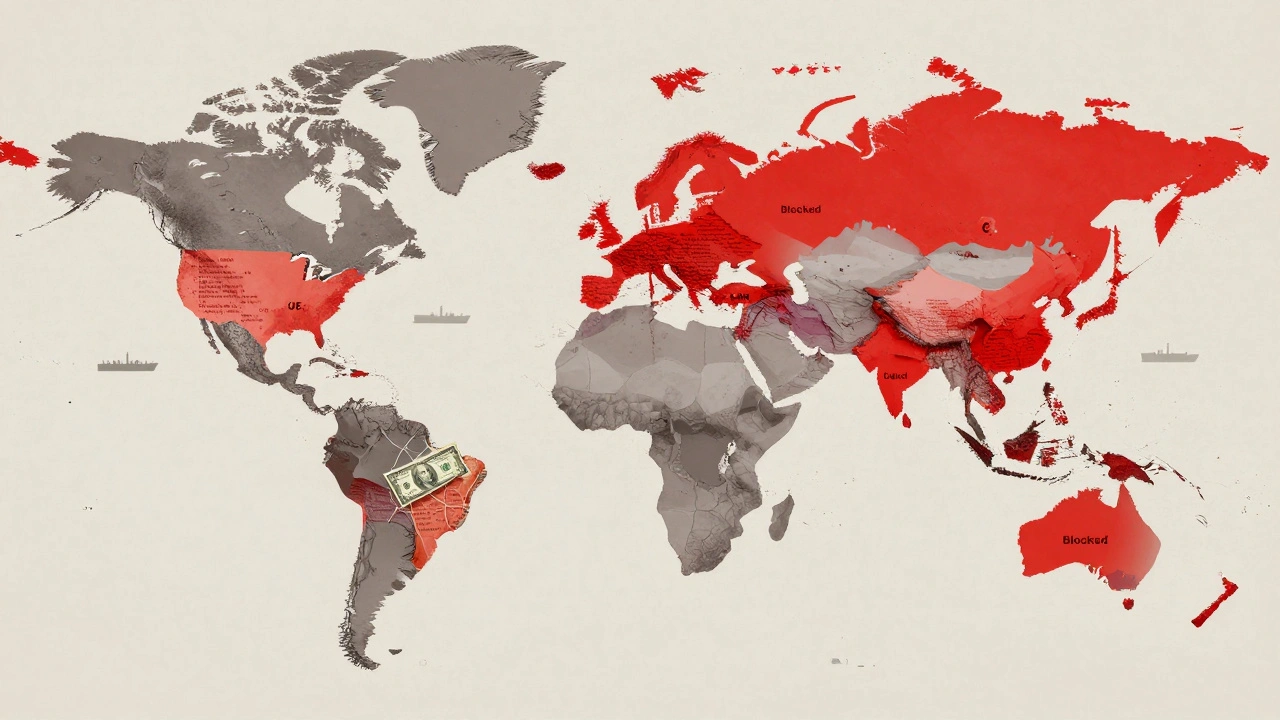
The New Compliance Skill Set
If you’re in finance and not updating your skills, you’re falling behind. The days of memorizing OFAC lists are over. Today’s compliance officer needs to:- Understand how blockchain-based asset transfers can mask ownership
- Recognize “mirror transfers” used by Russian entities to move funds without triggering alerts
- Identify “waste oil mislabeling” schemes-where Chinese firms disguise exports as non-sensitive goods
- Use SQL to query ownership databases and trace indirect links
- Interpret geopolitical signals: Is Venezuela’s oil relief a real opening, or a trap?
What’s Next in 2026 and Beyond
The focus is shifting from land-based sanctions to maritime evasion. Thirty-seven percent of Iranian oil is now shipped through “shadow fleets”-vessels that turn off tracking, change flags, and transfer cargo at sea. These ships are harder to track, and banks are scrambling to detect payments tied to them. The “reason to know” standard will only tighten. In 2026, regulators expect institutions to proactively monitor not just direct clients, but their clients’ clients. If you’re a bank lending to a company that sells software to a firm in China, you’ll need to know if that software is used in defense systems-even if you don’t have a direct contract. And the pressure won’t ease. The NDAA for 2026 removed secondary sanctions on Syria, but that’s an exception. The trend is clear: more countries, more sectors, more complexity.What You Should Do Now
If you’re managing financial risk in 2026, here’s what matters:- Map your exposure-not just direct clients, but their suppliers, investors, and partners.
- Integrate sanctions screening with AML, export controls, and fraud detection. Don’t run them as separate systems.
- Invest in AI tools that reduce false positives, but keep experienced analysts reviewing flagged cases.
- Train your team in data literacy. If they can’t run a basic SQL query to trace ownership, they’re not equipped.
- Don’t assume relief is coming. Even when sanctions ease, banks move slowly. Wait for proof, not promises.
What does de-risking mean in finance today?
De-risking today means cutting ties not just with directly sanctioned entities, but with anyone who might indirectly support them-even if they’re not on any official list. This includes clients, suppliers, investors, or partners with hidden links to countries like Russia, China, Iran, or North Korea. Financial institutions now use AI and deep data analysis to detect these indirect connections, often called the "spider effect," where one risky link can pull in dozens of otherwise clean businesses.
Why are U.S. penalties so harsh compared to other countries?
The U.S. enforces sanctions with near-statutory maximum penalties to send a clear message: compliance isn’t optional. In 2026, OFAC fined Gracetown, Inc. $7.14 million and IPI Partners $11.49 million for violations they knew about. These aren’t isolated cases-they’re warnings. Other regions like the EU use more flexible "compliance corridors," but U.S. institutions face zero tolerance for willful violations. This creates legal certainty but also drives over-de-risking and financial exclusion.
Can I still do business with companies linked to China or Russia?
It’s possible-but only if you can prove you’ve done deep due diligence. The key is the "reason to know" standard. If your client has a 5% stake in a Chinese tech firm that supplies components to military contractors, and you didn’t investigate that link, you’re liable. The best approach is to use integrated screening tools that cross-reference ownership, transaction patterns, and geographic risks. If the connection is indirect, outdated, or minor, human analysts can often clear it. But if there’s any ambiguity, most institutions choose to walk away.
How much does building a sanctions compliance system cost?
For mid-sized financial institutions, implementing a full de-risking system costs between $2.5 million and $5.8 million. This includes AI-driven screening software, staff training, legal consultation, and system integration. Training alone takes 6-9 months for compliance teams to master new protocols. The biggest ongoing cost isn’t tech-it’s human expertise. Senior compliance roles now require skills in Python, SQL, and data analysis, not just legal knowledge.
Is AI better than human analysts for detecting sanctions risks?
AI is better at finding patterns and reducing false positives-from 5.2% in 2023 to 0.8% in top systems. But it can’t interpret context. A human analyst can tell the difference between a legitimate business relationship and a shell company hiding behind layers of ownership. The most effective systems use AI to flag anomalies, then rely on experienced staff to make final decisions. Institutions using this hybrid model reduced false positives by 45% and improved detection of real threats by 37%.
What’s the biggest mistake institutions make with de-risking?
The biggest mistake is over-de-risking-cutting off entire sectors out of fear, not evidence. When banks shut down relationships with Venezuelan clients or Iranian traders without assessing actual risk, they don’t just lose business-they lose visibility. That makes it harder to track illicit flows later. It also harms legitimate small businesses and humanitarian efforts. The goal isn’t to eliminate all risk; it’s to understand it. Smart institutions keep a few high-risk clients under strict monitoring rather than cutting them all off.
Will sanctions on Iran or Venezuela ease soon?
There are signals of potential relief-like the Department of Energy’s move to allow U.S. companies to export oil field equipment and services to Venezuela. But banks aren’t rushing back in. Eighty-seven percent say they won’t re-engage until political stability is confirmed. Even if sanctions are lifted, institutions will move slowly. They’ve been burned before. Trust isn’t rebuilt with policy announcements-it’s rebuilt with time, transparency, and proof of compliance.
How do I know if my compliance system is good enough?
Ask these three questions: Can your system trace indirect ownership through three layers of shell companies? Does it integrate sanctions screening with AML and export controls? And do you have trained analysts reviewing flagged cases-not just relying on automation? If you can answer yes to all three, you’re ahead of 70% of institutions. The best systems don’t just block bad transactions-they help you understand the full risk landscape so you can make smarter decisions.