BRICS: How This Global Alliance Is Reshaping Trade, Finance, and Geopolitics
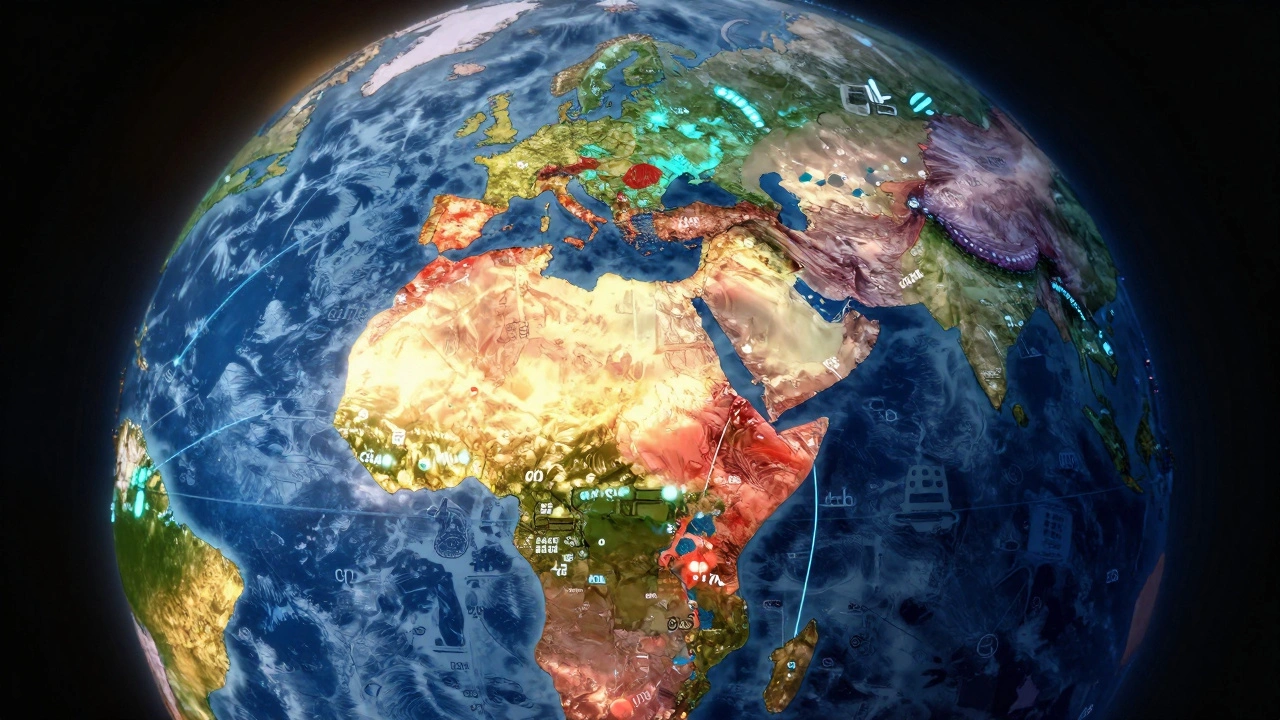
When you hear BRICS, a coalition of major emerging economies including Brazil, Russia, India, China, and South Africa that challenges Western-dominated financial systems. Also known as BRICS+, it’s no longer just a talking shop—it’s building alternative banks, payment systems, and trade deals that bypass the dollar. This isn’t theoretical. Countries in this group now account for over 40% of the world’s population and nearly a quarter of global GDP. They’re not just asking for a seat at the table—they’re building their own table.
One of the biggest shifts is happening in cross-border payments, the systems that let countries trade without relying on U.S. dollar intermediaries. With CBDC, digital versions of national currencies issued by central banks. Also known as digital currency, it’s a tool for reducing dependency on SWIFT and Western financial oversight, countries like China and Russia are testing direct currency swaps. This isn’t just about convenience—it’s about sovereignty. Meanwhile, geoeconomic fragmentation, the trend of nations splitting into competing economic blocs based on political alignment. Also known as deglobalization, it’s accelerating as BRICS nations create trade corridors that avoid U.S. tariffs and sanctions. The result? A world where your supply chain depends less on New York and more on Shanghai, New Delhi, or Brasília.
And it’s not just trade. multilateral climate finance, funding from international institutions that helps developing nations adapt to climate change. Also known as climate funding, it’s being reshaped by BRICS. While the West pushes green bonds and ESG standards, BRICS is focusing on practical, large-scale infrastructure—solar farms in South Africa, flood defenses in Brazil, and coal-to-clean transitions in India—funded through their own development banks. They’re not waiting for approval from Washington or Brussels. They’re funding their own priorities.
What you’ll find in the posts below isn’t hype—it’s the real-world impact of these shifts. From how BRICS is changing the rules of global finance to how its members are handling workforce gaps, climate funding, and AI-driven governance, these stories show the quiet revolution happening outside the headlines of Western media. This is where the next decade of economic power is being written—not in Davos, but in Brasília, Beijing, and beyond.