Climate Equity: Fairness in Climate Action and Who Pays the Cost
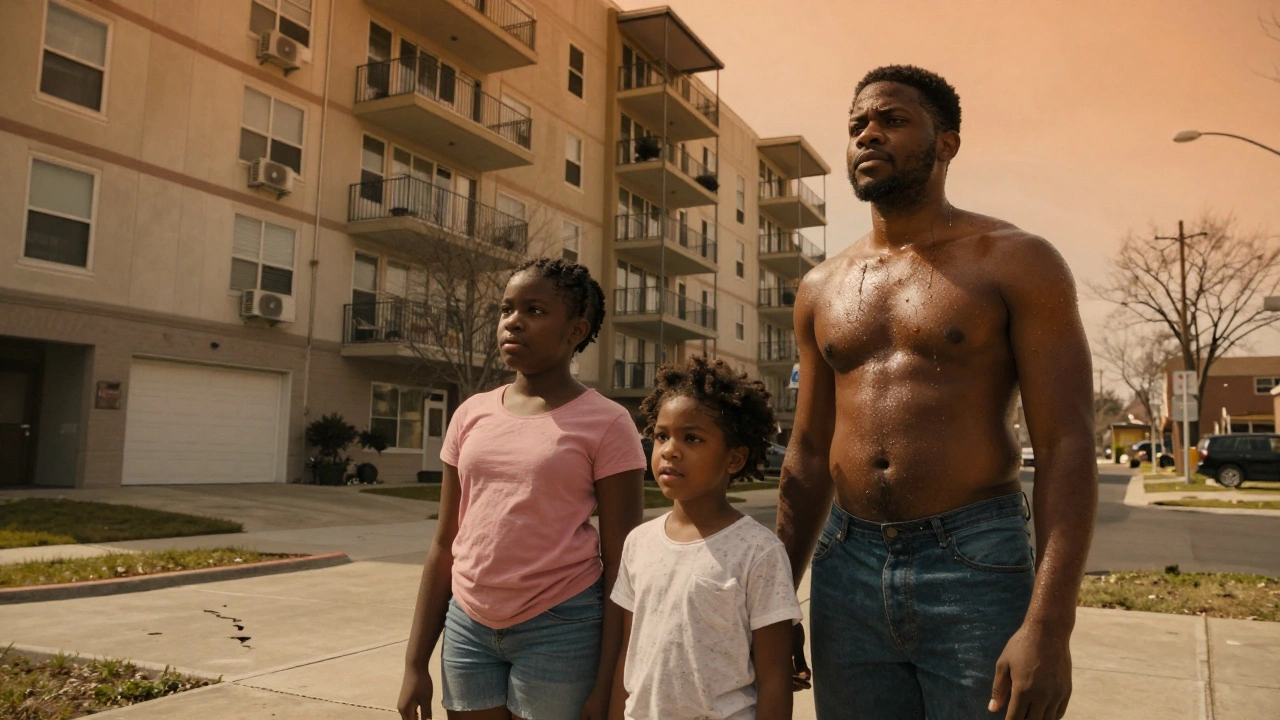
When we talk about climate equity, the principle that those who contributed least to global warming should not bear the greatest burden of its impacts or the cost of solutions. Also known as environmental justice, it’s not just about reducing emissions—it’s about who gets to breathe clean air, who gets funded to adapt, and who gets left behind when policies are written in boardrooms far from the frontlines. This isn’t theoretical. A farmer in Mali loses crops to drought while a CEO in New York gets a tax break for buying an electric SUV. That’s the imbalance climate equity tries to fix.
Climate finance, the flow of money to help countries reduce emissions and adapt to climate impacts is where the rubber meets the road. Rich nations promised $100 billion a year to poorer ones by 2020. They missed that target. Now, the focus is shifting to green finance, investments aligned with environmental goals, like climate-aligned bonds and transition funds. But here’s the catch: most of that money still flows to big corporations and wealthy nations. Real climate equity means funding local solar grids in Bangladesh, not just wind farms in Germany. It means paying Indigenous communities to protect the Amazon, not just buying carbon offsets from them.
Climate equity isn’t a side note—it’s the core of any lasting solution. The climate justice, the movement demanding systemic change to address the unequal impacts of climate change movement isn’t just protesting. It’s building. From vaccine manufacturing hubs in Africa that now double as climate-resilient health centers, to community solar projects in Detroit neighborhoods left out of green energy plans, people are creating alternatives where governments won’t. And the data backs them up: places that center equity in climate planning see faster recovery, stronger public trust, and more durable outcomes.
What you’ll find below isn’t just news about melting ice or rising temperatures. It’s about who gets power, who gets heard, and who gets paid when the world tries to fix what’s broken. You’ll see how climate equity shows up in bond markets, in tech policy, in urban heat plans, and in the quiet rebuilds of towns that no one thought mattered. These stories aren’t about guilt. They’re about fairness—and the real work happening right now to make it real.