Climate Finance Governance: How Money Flows to Fight Climate Change
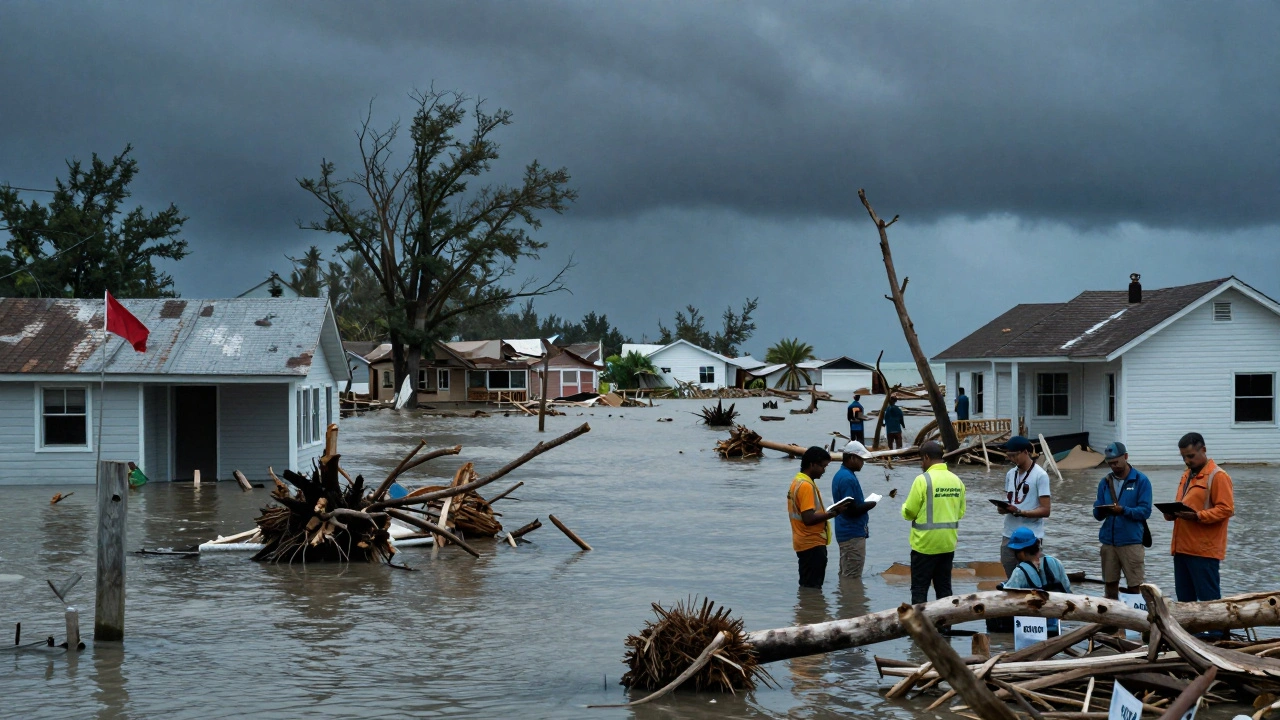
When we talk about climate finance governance, the rules, institutions, and accountability systems that direct money toward climate action. It’s not just about how much cash is spent—it’s about who decides where it goes, who’s held responsible, and whether it actually helps the people most affected. This isn’t theoretical. It’s the difference between a $100 million project that cleans up a river in a wealthy city and a $10 million project that saves a coastal village from flooding because it was designed with local input. Climate finance governance is what makes sure the second one happens.
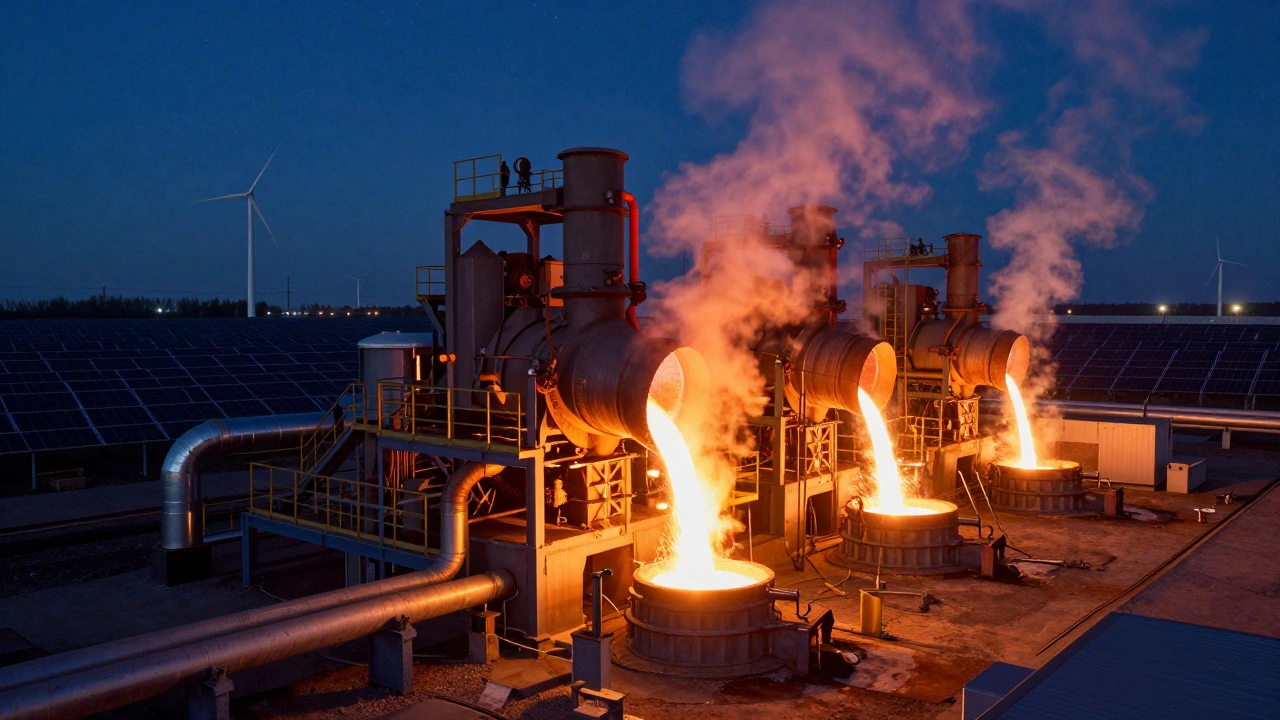
It’s deeply tied to green bonds, debt instruments raised specifically to fund environmental projects, and transition finance, funding that helps industries like coal or steel shift to low-carbon operations without leaving workers behind. But these tools only work if the rules are clear. Right now, there’s no global standard. One country calls a project "green" because it uses solar panels; another rejects it because the panels were made in a factory with dirty energy. That’s why climate-aligned investments, funds that meet strict environmental criteria and avoid harm to vulnerable communities are growing—but so is greenwashing. Without strong governance, money flows to the loudest voices, not the most urgent needs.
And that’s where climate justice, the principle that those who did least to cause climate change should get the most support to survive it comes in. The poorest nations, the Indigenous communities, the coastal towns—none of them had a seat at the table when these finance rules were written. COP30 in Belém is trying to change that. But real change means shifting power, not just adding more reports. Governance isn’t just about banks and treaties. It’s about who gets to speak, who gets to vote, and who gets paid. The posts below show you exactly how this plays out: from the rise of climate-aligned bonds to the failure of pandemic finance tools, from how Europe’s green rules clash with U.S. security priorities to why local communities are building their own funding systems. This isn’t about policy jargon. It’s about who wins, who loses, and what’s actually being done to fix it.