Cross-Border Payments: How Global Transactions Are Changing Finance and Work
When you send money to a family member overseas, pay a freelancer in another country, or buy something from a store abroad, you’re using cross-border payments, the system that moves money between different countries using banks, fintech platforms, or digital networks. Also known as international money transfer, it’s no longer just for big corporations—it’s the quiet backbone of remote work, global supply chains, and everyday life. Ten years ago, sending money across borders meant long waits, high fees, and confusing paperwork. Today, it’s often instant, cheaper than a coffee, and done from your phone.
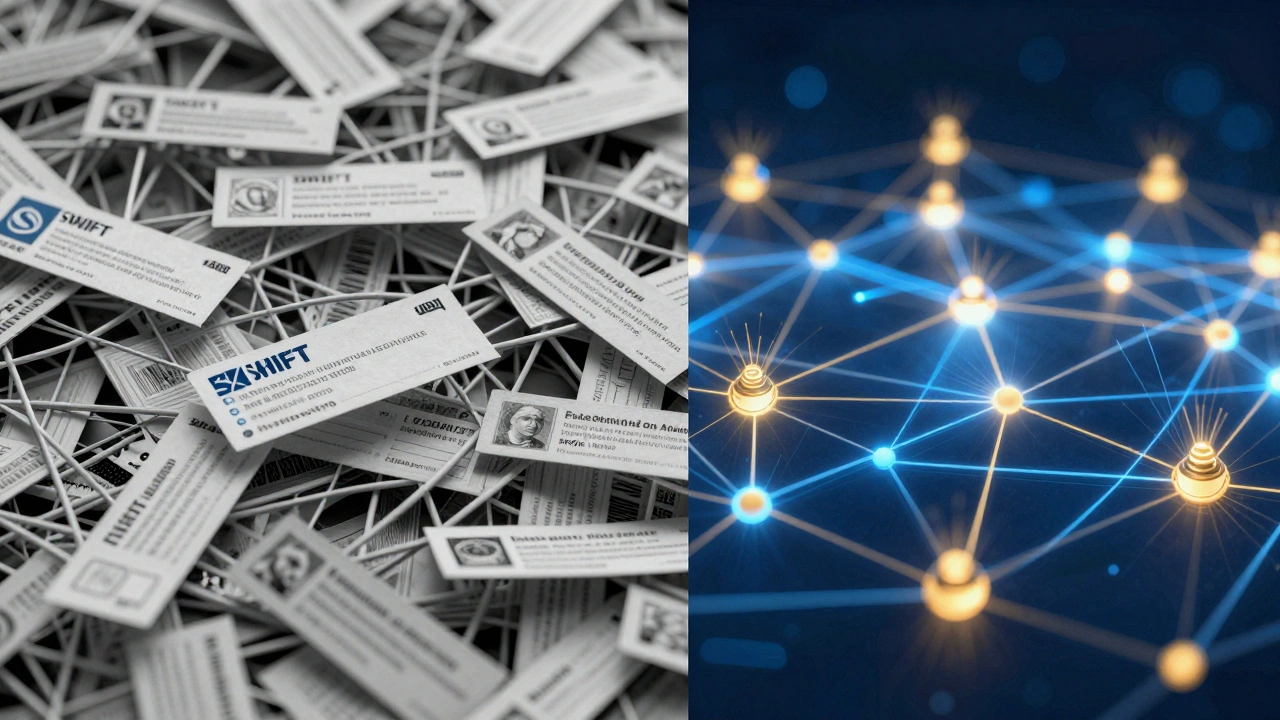
This shift didn’t happen by accident. It’s tied to how people live now. A developer in Ukraine works for a startup in Canada. A nurse in the Philippines sends half her paycheck home. A small business in Kenya sells handmade goods to customers in Germany. All of them rely on digital wallets, online platforms that hold and move money across borders without needing a traditional bank. These tools connect directly to local payment systems, cutting out middlemen and slashing costs. And they’re not alone—remittances, the money migrants send back to their home countries, now total over $800 billion a year, making them bigger than many countries’ foreign aid budgets. Meanwhile, global finance, the network of institutions, regulations, and technologies that move capital across borders, is being rewritten by real-time settlement systems and blockchain-backed rails that bypass old SWIFT networks. The old way—waiting days for a wire to clear—is fading. What’s rising is speed, transparency, and access.
But it’s not just about tech. It’s about fairness. When a worker in Indonesia pays $20 to send $200 home, that’s not just a fee—it’s a tax on hope. New players are stepping in to fix that. Some offer flat rates. Others use local currency pairs to avoid conversion losses. Governments are starting to demand better standards. And as more people join the global economy—whether as freelancers, sellers, or family supporters—the pressure to make cross-border payments simple, safe, and affordable keeps growing.
What you’ll find below isn’t just a list of articles. It’s a map of how this change is playing out: from how AI is detecting fraud in real-time transfers, to how digital wallets are replacing bank accounts in emerging markets, to how policy shifts in Europe and Asia are opening new paths for small businesses. These stories show the real people, tools, and decisions shaping how money moves today—and where it’s headed next.