CBDC Payment Cost Calculator
Calculate savings when sending money internationally using CBDCs versus traditional banking systems. Based on average global payment fees and processing times.
Payment Comparison
How This Works:
Traditional payments average 6.4% fees with 3-5 business days processing. CBDCs typically offer fees under 2% with near-instant settlement (<30 seconds). This calculator uses standard industry averages to show potential savings based on the amount sent.
Note: Actual fees and times may vary based on country, payment provider, and specific CBDC implementation.
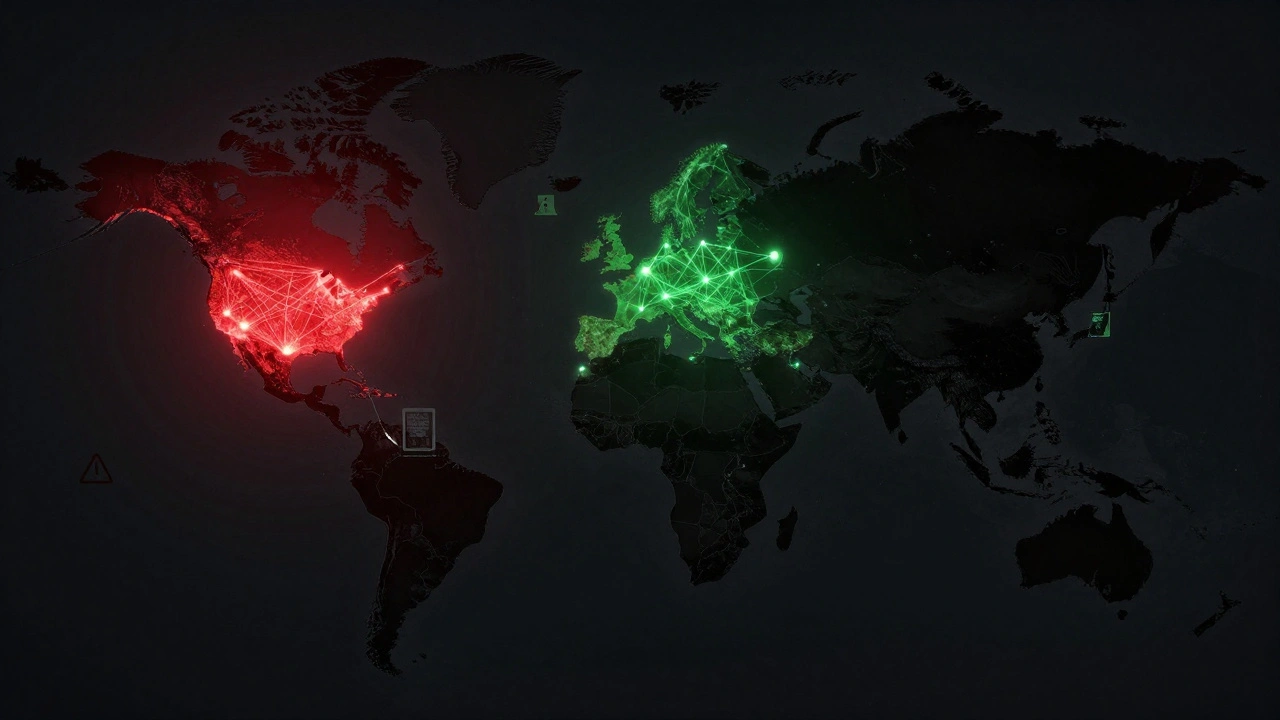
By 2025, over 130 countries are testing or building their own digital money - not Bitcoin, not stablecoins, but Central Bank Digital Currencies (CBDCs). These aren’t just digital versions of cash. They’re government-backed, programmable, and designed to fix the broken system behind international payments. Right now, sending money across borders can take days, cost over 6%, and pass through five different banks. CBDCs promise to cut that to seconds, under 2%, and remove most middlemen. But there’s a catch: the same technology that makes payments faster also threatens who controls money around the world.
Why Cross-Border Payments Are Still Broken
Think about sending $500 from Nigeria to India. You use a remittance app, pay $32 in fees, and wait three days. That’s not unusual. The World Bank says the global average cost for cross-border transfers is 6.4%. Why so high? Because money doesn’t move directly. It bounces between banks - usually three or four - each adding their own fees, delays, and compliance checks. The whole system runs on outdated correspondent banking networks built in the 1970s. Even SWIFT, the messaging backbone, doesn’t move money - it just tells banks where to send it. Settlements take business days. Weekends? Forget it. China’s e-CNY, Nigeria’s eNaira, Jamaica’s JAM-DEX - these CBDCs are being built to bypass all that. Instead of routing payments through layers of banks, they let central banks connect directly. In Singapore’s Project Ubin, a payment from Singapore dollars to Canadian dollars settled in under 30 seconds. In traditional systems? Two to five business days. That’s not an improvement. It’s a revolution.How CBDCs Actually Work (Without the Jargon)
There are two main types of CBDCs: wholesale and retail. Wholesale is for banks - think of it as a faster, digital version of how central banks settle money between each other. Retail is what you and I use: digital cash on our phones. China’s e-CNY uses a two-tier system. The People’s Bank of China creates the digital yuan and gives it to commercial banks like ICBC or Alibaba’s Ant Group. Those banks then hand it out to consumers. The cool part? You can send e-CNY without internet. Just tap your phone to another phone using NFC - like Apple Pay, but even when your data’s dead. The limit? 2,000 yuan per transaction (about $275). That’s fine for groceries, not for business deals. The European Central Bank’s digital euro is going further. Its 2025 prototype lets non-euro countries link their own CBDCs to the euro system. Imagine a Thai business paying a German supplier in Thai baht - but the German bank receives it in euros, automatically converted, no third-party currency exchange needed. That’s the goal: interoperability without surrendering control. Behind the scenes, most CBDCs use permissioned blockchains - not public ones like Bitcoin. Only authorized banks and central banks can validate transactions. This keeps things fast, secure, and under central bank control. Transactions are final within minutes, not hours. No chargebacks. No frozen accounts. Just digital money moving like text messages.Monetary Sovereignty: Who Owns Your Money?
Here’s where things get political. Monetary sovereignty means a country controls its own currency - setting interest rates, printing money, managing inflation. When people use foreign digital currencies, that control slips away. Imagine a small country like El Salvador. If its citizens start using China’s e-CNY for daily purchases because it’s cheaper and faster than their local peso, the central bank loses influence. People stop holding pesos. Prices start tracking the yuan. Inflation becomes tied to Beijing’s policies, not San Salvador’s. That’s currency substitution - and it’s a real threat. The World Bank warns that CBDCs could make this worse. If China’s digital yuan becomes the default for trade in Southeast Asia, African nations might adopt it just to keep up. Suddenly, your economy’s stability depends on a foreign central bank’s decisions. That’s why the BIS and IMF are pushing for multi-country standards - so CBDCs connect, but don’t replace. The U.S. hasn’t launched a retail CBDC. President Trump’s 2025 executive order blocked it. But the Federal Reserve is still testing wholesale CBDCs through Project Hamilton. Why? Because if the dollar loses its dominance in global payments, the U.S. loses its ability to sanction countries, influence markets, and borrow cheaply. The dollar’s global role isn’t just about size - it’s about control. CBDCs could change that.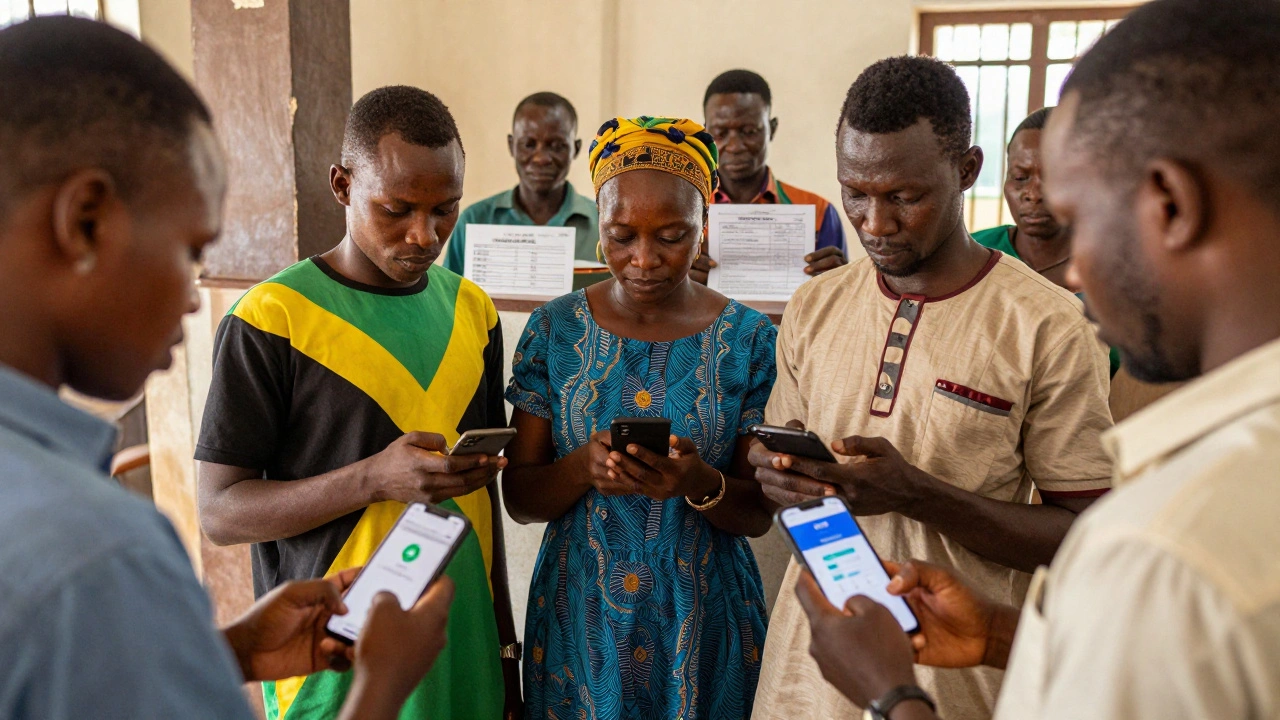
Who’s Winning the CBDC Race?
China leads. By Q2 2025, e-CNY had processed $1.5 trillion in transactions with 261 million active users. That’s more than the entire population of Brazil. Chinese merchants report 40% faster payments and 95% success rates. But adoption isn’t universal. 18% of users quit because they had to link their real-name ID to the app. Privacy concerns are real. Nigeria’s eNaira? A mess. Despite government push, 68% of users said they didn’t understand how to use it. Poor documentation, no training, no support - it’s like handing out smartphones to people who’ve never seen a touchscreen. Jamaica’s JAM-DEX is more promising. In its first year, it reached 1.1 million users - 27% of the unbanked. Why? It focused on remittances. Migrant workers in the U.S. now send money home directly via CBDC, cutting fees from 10% to 2%. That’s life-changing. The Bahamas’ Sand Dollar? Only 15% adoption among the unbanked. Why? Most users don’t own smartphones. CBDCs aren’t magic. They need infrastructure - phones, data, training. Without it, they widen the digital divide.The Real Hurdles: Tech, Trust, and Fragmentation
Speed isn’t the only challenge. Interoperability is the big one. In 2023, China and Singapore tried linking e-CNY with Project Ubin. It failed. Why? Different privacy rules. China logs everything. Singapore wants anonymity for small payments. They couldn’t agree. The Bank for International Settlements is trying to fix this with Project Nexus. It’s building a common protocol so seven fast payment systems - from Singapore to India to Brazil - can talk to each other. If it works, $5.2 trillion in annual cross-border payments could flow seamlessly by 2026. But if it doesn’t? We get a patchwork. One region uses Chinese standards. Another uses European. The U.S. stays out. That’s not global finance - that’s financial Balkanization. Costs are another issue. Integrating CBDCs into old banking systems costs banks an average of €12.5 million each in Europe. In China, commercial banks spent $200 million each. That’s not cheap. And if only a few big banks adopt it, small businesses get left behind.