Disproportionate Climate Impacts: Who Bears the Brunt and Why It Matters
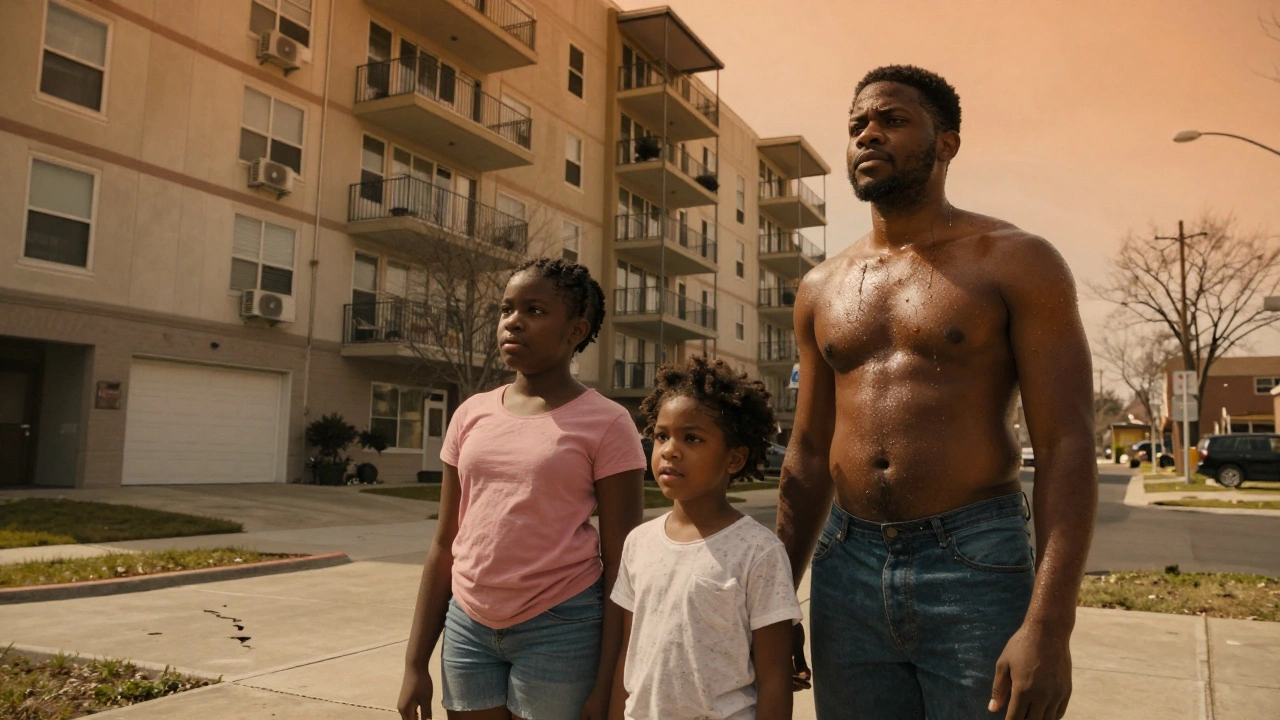
When we talk about disproportionate climate impacts, the unequal way climate change affects different populations based on income, geography, race, or political power. Also known as environmental injustice, it’s not just about hotter summers or stronger storms—it’s about who gets left behind when the water rises, the crops fail, or the power grid collapses. The people hit hardest aren’t the ones driving SUVs or flying to conferences. They’re the farmers in sub-Saharan Africa watching rain patterns vanish, the coastal Indigenous communities in Alaska losing ancestral land to erosion, and the low-income neighborhoods in Miami where flood insurance is unaffordable and cooling centers are few.
This isn’t random. climate justice, the movement demanding fair treatment and meaningful involvement of all people in environmental decision-making. Also known as ecological equity, it calls out the systems that let wealthy nations and corporations pollute while poorer ones pay the price. Studies show that communities of color in the U.S. are exposed to 38% more air pollution than white communities, even when income levels are the same. In Bangladesh, rising sea levels displace millions each year, yet the country emits less than 0.5% of global greenhouse gases. Meanwhile, the same global financial systems that fund fossil fuels often deny loans to small-scale renewable projects in the Global South. climate finance, the flow of funds toward low-carbon and climate-resilient development. Also known as green investment, it is supposed to fix this—but less than 20% of international climate funding reaches the most vulnerable countries.
What’s happening isn’t just environmental—it’s economic, social, and deeply political. The same places with weak infrastructure, underfunded health systems, and limited political voice are the ones facing the worst heatwaves, droughts, and disease outbreaks. And when disasters strike, recovery money often flows to big contractors and urban centers, leaving rural and marginalized areas behind for years. But change is happening. From community-led solar grids in Puerto Rico to Indigenous-led forest protection in the Amazon, local action is outpacing global promises. The posts below show how these inequities play out in real time: how AI is being used to track pollution hotspots, how new climate bonds are trying to redirect capital to frontline communities, and how policy shifts in Europe and Latin America are finally starting to prioritize those most at risk.